Pakistan Declares ‘Open War’ with Afghanistan After Cross-Border Strikes
In a post on X, Pakistan’s Defense Minister Khawaja Mohammad Asif said Islamabad had exhausted its patience after what he described as Afghan aggression.
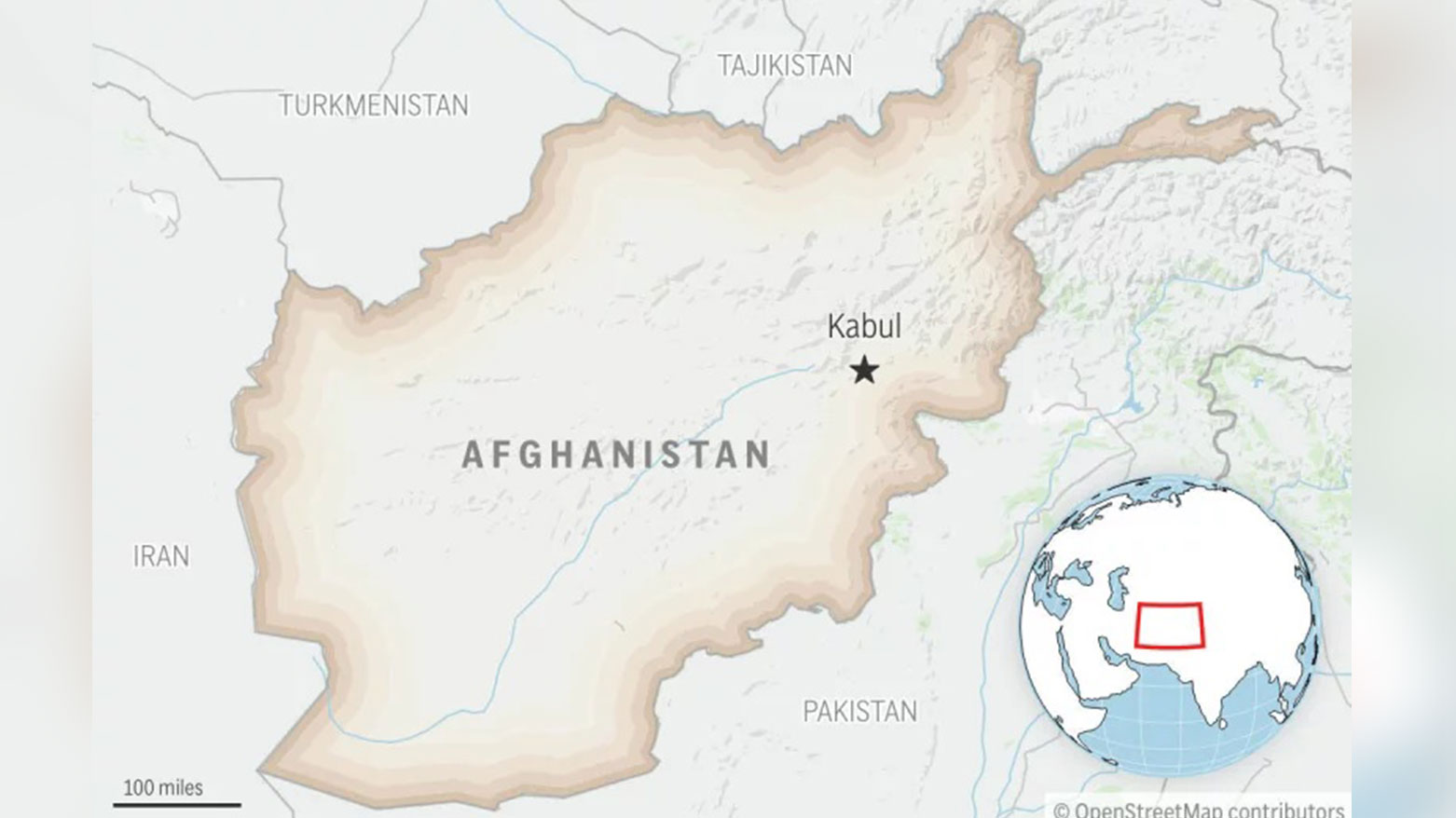
ERBIL (Kurdistan24) – Tensions between Pakistan and Afghanistan sharply escalated on Friday after Pakistan’s Defense Minister declared that his country now considers itself in an “open war” with its western neighbor, following a series of cross-border attacks and retaliatory airstrikes.
In a post on X, Pakistan’s Defense Minister Khawaja Mohammad Asif said Islamabad had exhausted its patience after what he described as Afghan aggression.
“Our patience has now run out. Now it is open war between us,” Asif wrote, accusing the Taliban-led government in Kabul of failing to ensure regional stability and of allowing militant groups to operate from Afghan territory.
The latest violence began after Afghanistan launched a cross-border attack on Thursday, which Kabul described as retaliation for deadly Pakistani airstrikes carried out on Afghan border areas earlier this week.
Early on Friday, Pakistan responded with airstrikes in the Afghan capital, Kabul, and in two other provinces.
At least three explosions were reported in Kabul, though officials did not immediately confirm the precise locations or whether there were any casualties.
Afghan government spokesperson Zabihullah Mujahid said Pakistan also carried out strikes in Kandahar in the south and in Paktia Province in the southeast.
There has been no formal response from the Afghan authorities to Asif’s declaration of “open war.”
Asif accused Afghanistan’s Taliban rulers of turning the country into what he described as “a colony of India” and of “exporting terrorism,” claims that were not accompanied by evidence. Pakistan has long accused India of supporting the banned Baloch Liberation Army and the Pakistani Taliban—allegations that New Delhi has consistently denied.
The latest escalation has cast doubt on the durability of a Qatar-mediated ceasefire between the two countries, although Asif did not directly address the truce in his statement.
In his remarks, Asif also highlighted Pakistan’s role in hosting Afghan refugees over the past five decades, saying the country had sheltered around five million Afghans and continues to host millions more who earn their livelihoods there.
However, Pakistan launched a sweeping crackdown in October 2023 targeting undocumented migrants, urging them to leave voluntarily or face deportation.
According to the U.N. refugee agency, 2.9 million Afghans returned to Afghanistan last year alone, with nearly 80,000 returning so far this year. Many of those expelled had been born in Pakistan and had established businesses and families there.
As hostilities intensify, concerns are mounting that further violence could deepen instability in the region and exacerbate the already severe humanitarian situation inside Afghanistan.