Saudi Arabia Warns Iran Against Strikes on Its Territory
Saudi Arabia has warned Iran that continued strikes on its territory or energy infrastructure could trigger retaliation or allow U.S. forces to operate from Saudi bases, Reuters reported.
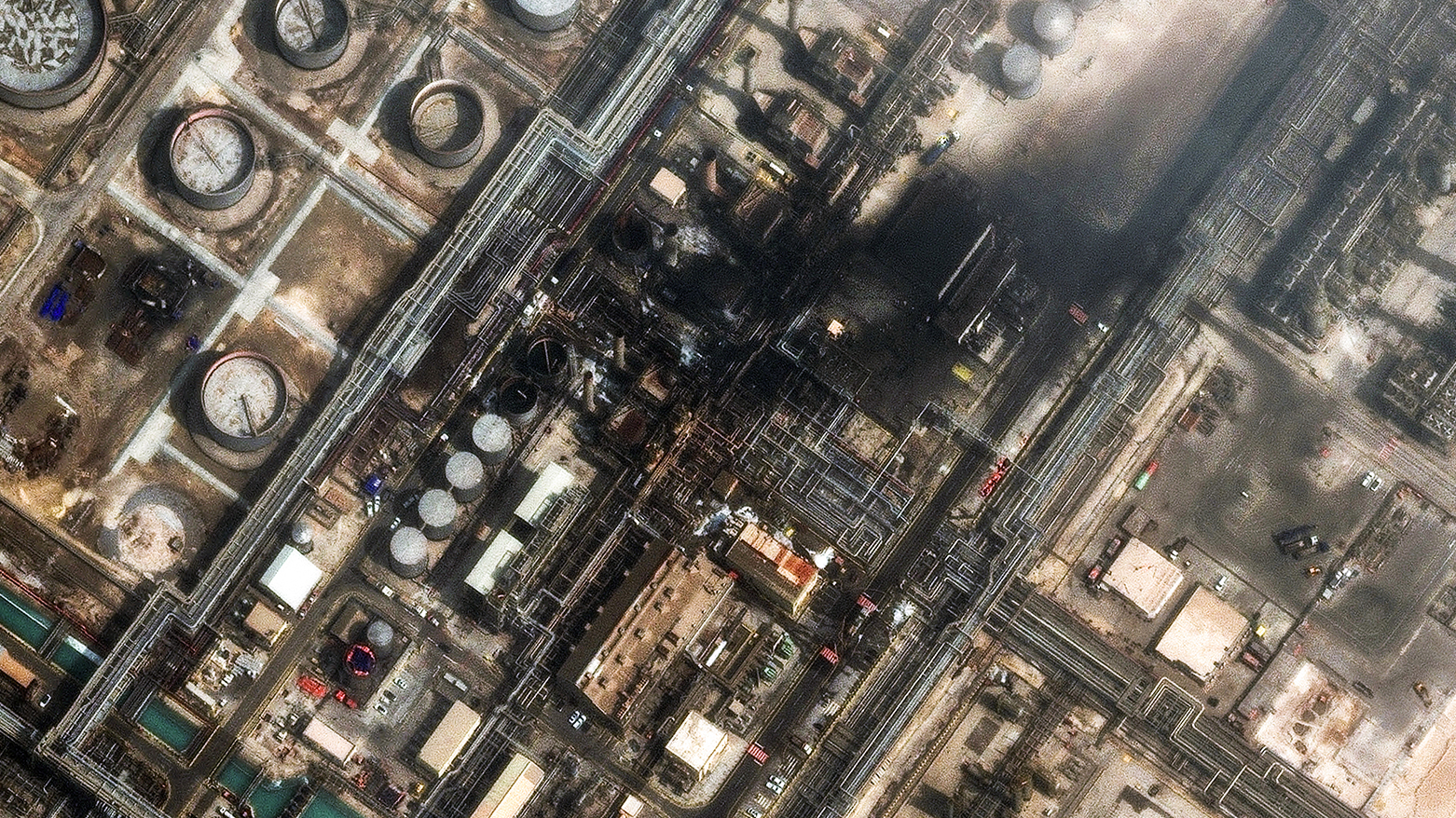
ERBIL (Kurdistan24) - Saudi Arabia has warned Iran that continued attacks on the kingdom or its energy infrastructure could prompt retaliation and lead Riyadh to allow U.S. forces to use Saudi bases for military operations, four sources familiar with the matter told Reuters.
According to Reuters, the warning was conveyed during direct diplomatic contacts between officials in Riyadh and Tehran as regional tensions intensified amid the ongoing conflict involving the United States, Israel, and Iran.
Two days before the message became public, Saudi Foreign Minister Faisal bin Farhan Al Saud spoke with Iranian Foreign Minister Abbas Araqchi and outlined Saudi Arabia’s position, the sources said, according to Reuters.
During the conversation, Prince Faisal told his Iranian counterpart that Saudi Arabia favors a diplomatic resolution to the conflict between Iran and the United States and remains open to mediation aimed at de-escalation and a negotiated settlement, according to the sources cited by Reuters.
At the same time, the Saudi minister warned that continued Iranian attacks against Saudi territory or its energy infrastructure could force Riyadh to reconsider its current posture. According to Reuters, the sources said Prince Faisal told Araqchi that if such attacks persisted, Saudi Arabia could permit U.S. forces to use military bases in the kingdom to conduct operations.
The message also included a warning that Saudi Arabia could respond directly if its critical energy facilities continued to be targeted, the sources said, according to Reuters.
Reuters reported that Saudi Arabia has remained in regular contact with Iran since the conflict escalated on Feb. 28, when a U.S. and Israeli military campaign against Iran began following the collapse of negotiations over Iran’s nuclear program.
According to Reuters, the Saudi government has maintained diplomatic communication with Tehran through its ambassador in the Iranian capital throughout the conflict.
The Saudi and Iranian foreign ministries did not respond to requests for comment from Reuters regarding the reported exchange.
The diplomatic warning came amid a series of drone and missile attacks across the Gulf region in recent days.
According to Reuters, several Gulf states—including the United Arab Emirates, Kuwait, Qatar, Bahrain, and Saudi Arabia—have been subjected to heavy drone and missile fire launched from Iran during the past week.
The attacks followed the death of Iranian Supreme Leader Ali Khamenei on the first day of the war, according to Reuters. Tehran subsequently carried out strikes against Israel and Gulf Arab countries hosting U.S. military installations.
Reuters reported that Israel has also conducted attacks against the Lebanese armed group Hezbollah, which is backed by Iran.
Amid the escalating hostilities, Iranian President Masoud Pezeshkian issued remarks on Saturday that appeared aimed at easing tensions with neighboring Gulf states.
According to Reuters, Pezeshkian said Iran’s temporary leadership council had approved suspending attacks against nearby countries unless those countries were directly involved in attacks against Iran.
“I personally apologise to neighbouring countries that were affected by Iran's actions,” Pezeshkian said in remarks cited by Reuters.
The statement was interpreted by some observers as an attempt to reduce regional tensions after Iranian strikes reportedly hit civilian areas in parts of the Gulf.
However, Reuters reported that the extent to which Pezeshkian’s remarks represent a change in Iranian policy remains unclear.
Reports of additional strikes directed toward Gulf states emerged later on Saturday, according to Reuters, suggesting that military activity in the region continued despite the president’s statement.
Further indications of possible divisions within Iran’s leadership structure emerged shortly after Pezeshkian’s remarks.
Reuters reported that Khatam al-Anbiya Central Headquarters—the unified combatant command of Iran’s armed forces—issued a statement indicating that U.S. and Israeli bases across the region would remain targets for Iranian military operations.
According to the statement cited by Reuters, the command said Iran’s armed forces respect the sovereignty and interests of neighboring countries and have not taken action directly against them so far.
However, the statement also said that U.S. and Israeli military installations and assets across the region—including those located on land, at sea, and in the air—would be considered primary targets.
The command warned that those facilities could face what it described as “powerful and heavy” strikes by Iranian forces, according to Reuters.
The diplomatic exchanges between Riyadh and Tehran occurred against the backdrop of continued communication between officials from both countries.
According to Reuters, Araqchi said in an interview on Saturday that he remained in constant contact with Saudi officials, including Prince Faisal.
Araqchi said Saudi Arabia had assured Tehran that it was fully committed to preventing its territory, waters, or airspace from being used to conduct attacks against Iran, Reuters reported.
Two Iranian sources also confirmed to Reuters that the call between Saudi and Iranian officials had taken place.
According to those sources, Saudi Arabia warned Iran during the conversation to halt attacks targeting the kingdom and other Gulf states.
The Iranian sources said Tehran responded by reiterating that its strikes were not aimed at Gulf countries themselves but were directed at U.S. interests and military installations located in those states.
One Iranian source told Reuters that Tehran demanded the closure of U.S. military bases in the region and called for certain Gulf states to stop sharing intelligence with Washington.
Iran believes such intelligence is being used to support military operations against it, the source said, according to Reuters.
Another Iranian source said some Iranian military commanders have been pressing to continue the strikes.
According to Reuters, those commanders argue that the United States is conducting operations against Iran using military bases in Gulf states as well as the airspace of some regional countries.
The situation has complicated relations between Iran and several Gulf states, including Saudi Arabia.
Reuters noted that Iran had in recent years worked to rebuild relations with several countries in the region, including Saudi Arabia, after years of diplomatic tensions.
The diplomatic rapprochement between Tehran and Riyadh had been viewed as a significant regional development after the two countries previously severed ties for several years.
However, Reuters reported that the recent wave of drone and missile attacks launched by Iran’s Revolutionary Guards has strained those improving relations.
The attacks have also heightened security concerns among Gulf governments hosting U.S. military installations.
In a separate development, U.S. President Donald Trump commented publicly on the situation.
According to Reuters, Trump said in a social media post that Iran had apologized to its Middle Eastern neighbors and pledged to stop firing missiles at them.
Trump wrote that the promise was made because of what he described as relentless military pressure from the United States and Israel, Reuters reported.
The diplomatic and military developments have unfolded during an intense period of regional conflict involving multiple countries and armed groups.
Saudi Arabia’s warning to Iran reflects the growing concern among Gulf states about the potential for further escalation and the risks posed by attacks targeting energy infrastructure and other strategic facilities.
The communications between Riyadh and Tehran, as reported by Reuters, illustrate ongoing diplomatic contacts between the two countries even as military activity continues across the region.