U.S. Diplomat Criticizes Iraqi Parliament Members Over Anti-American Chants
Khalilzad criticized Iraqi parliamentarians chanting anti-American slogans, reminding them of the U.S. role in Iraq’s 2003 political transition and highlighting perceived inconsistencies in their positions.
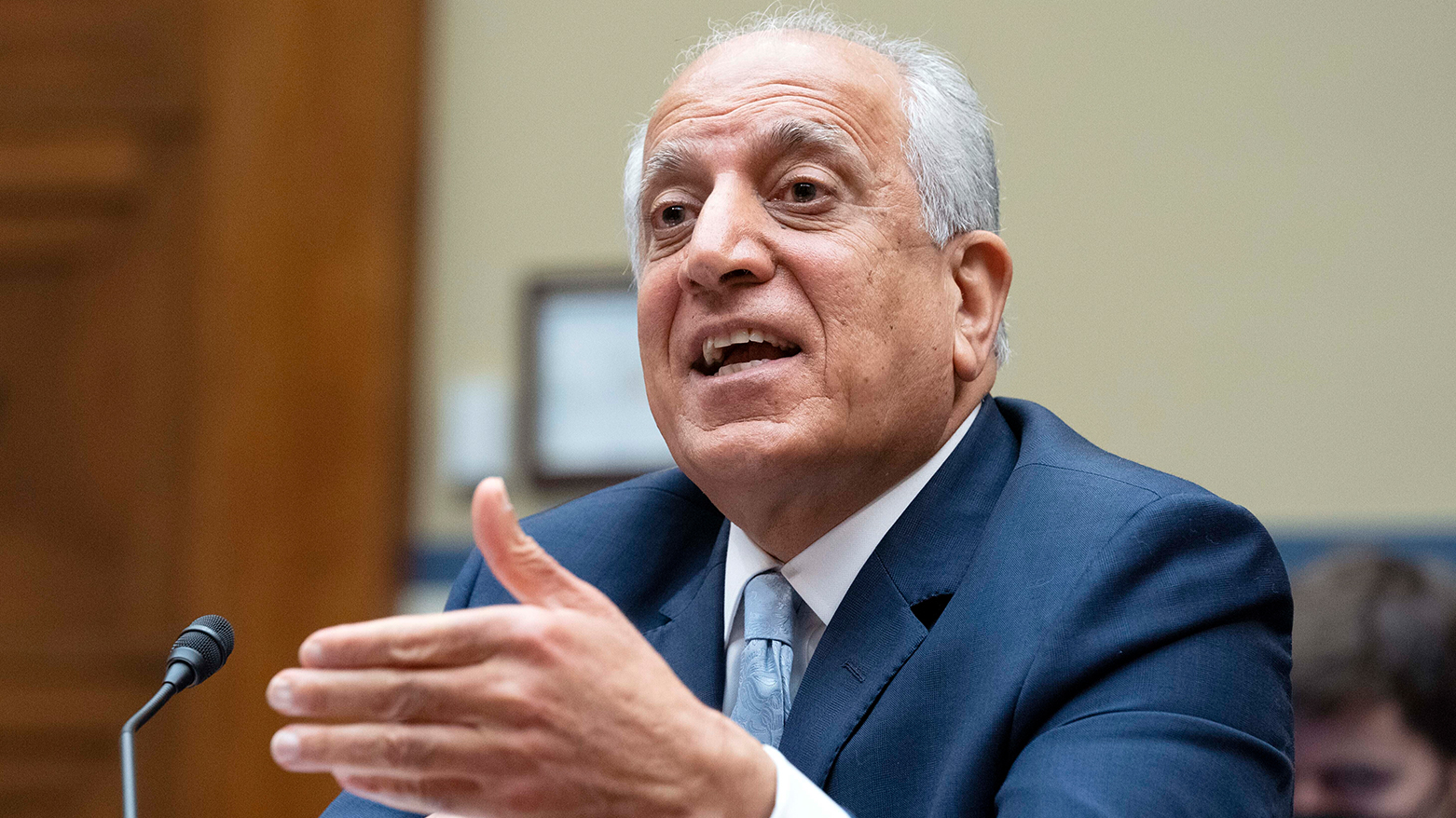
ERBIL (Kurdistan24) - 26th US Permanent Representative to the United Nations and former US Ambassador to Afghanistan and Iraq, Zalmay Khalilzad, on Sunday criticized members of the Iraqi Council of Representatives who were recorded chanting anti-American slogans during a parliamentary session, highlighting the role of the United States in the political changes that took place in Iraq following the 2003 Operation Iraqi Freedom (OIF).
In a post on the social media platform X, formerly known as Twitter, Khalilzad shared a video clip of the session and commented, “A scene in Iraqi Parliament where some members were shouting death to America. Where would they be without 2003 US overthrow of Saddam?” He noted what he described as a “contradiction” in the positions of certain Iraqi political forces that rose to prominence after the U.S.-led liberation but now adopt hostile stances toward Washington.
A scene in Iraqi Parliament where some members were shouting death to America. Where would they be without 2003 US overthrow of Saddam. #Iraq #USA @SecRubio pic.twitter.com/bZXvJgAbXm
— Zalmay Khalilzad (@realZalmayMK) March 7, 2026
Khalilzad, who served as the United States Ambassador to Baghdad during the critical post-2003 period, is widely recognized for his role in shaping U.S. policy in Iraq and maintaining an extensive understanding of the country’s political landscape. His statement underscores longstanding tensions within Iraq regarding the presence of foreign forces and the evolution of domestic political alignments since the fall of Saddam Hussein.
The video showing Iraqi lawmakers chanting “Death to America” inside the parliament hall comes amid ongoing debates in Baghdad over the continued presence of the International Coalition in Iraq. Political factions within the Council of Representatives have been calling for an end to foreign military deployments, framing such demands as part of Iraq’s sovereignty and security considerations.
Khalilzad’s remarks specifically addressed lawmakers who benefited from the political restructuring that followed the 2003 U.S. intervention, pointing to a perceived inconsistency between their current rhetoric and the circumstances that enabled their political ascent. By referencing the 2003 overthrow of Saddam Hussein, Khalilzad emphasized the role of U.S. military and diplomatic efforts in facilitating the emergence of new political actors and institutions in Iraq.
The statements by Khalilzad also occur against a backdrop of broader regional tensions and debates over strategic relations between Baghdad and Washington.
The International Coalition continues to operate in Iraq, supporting local security forces, counterterrorism operations, and training initiatives. However, political discourse within Iraq increasingly reflects opposition to foreign presence, with factions citing both sovereignty and historical grievances as reasons for demanding reductions or withdrawals of coalition forces.
The video clip circulated widely on social media platforms and has drawn attention to the parliamentary dynamics, highlighting the persistence of anti-American sentiment among some political groups. Observers note that such incidents underscore the continuing challenges in Iraqi politics, where historical memory, foreign intervention, and domestic rivalries intersect to shape legislative conduct and public discourse.
While the International Coalition maintains operational activities across Iraq, including counterterrorism and advisory missions, calls from political forces to curtail its presence continue to fuel debate both inside the Council of Representatives and among Iraq’s broader political constituencies.
Khalilzad, regarded as one of the principal architects of post-2003 U.S. engagement in Iraq, remains influential in commenting on the country’s political developments, reflecting his deep involvement in the country’s transitional processes and his perspective on long-term U.S.-Iraq relations.
The former ambassador’s criticism highlights tensions between Iraqi lawmakers and U.S. officials regarding the historical legacy of the 2003 intervention and the continued presence of American forces in Iraq.