Lebanon Refuses to Tie National Security Decisions to Iran’s Interests, Lebanese PM Says
Lebanon has stressed that its policies and security measures will remain independent of Iran’s interests amid the ongoing regional conflict.
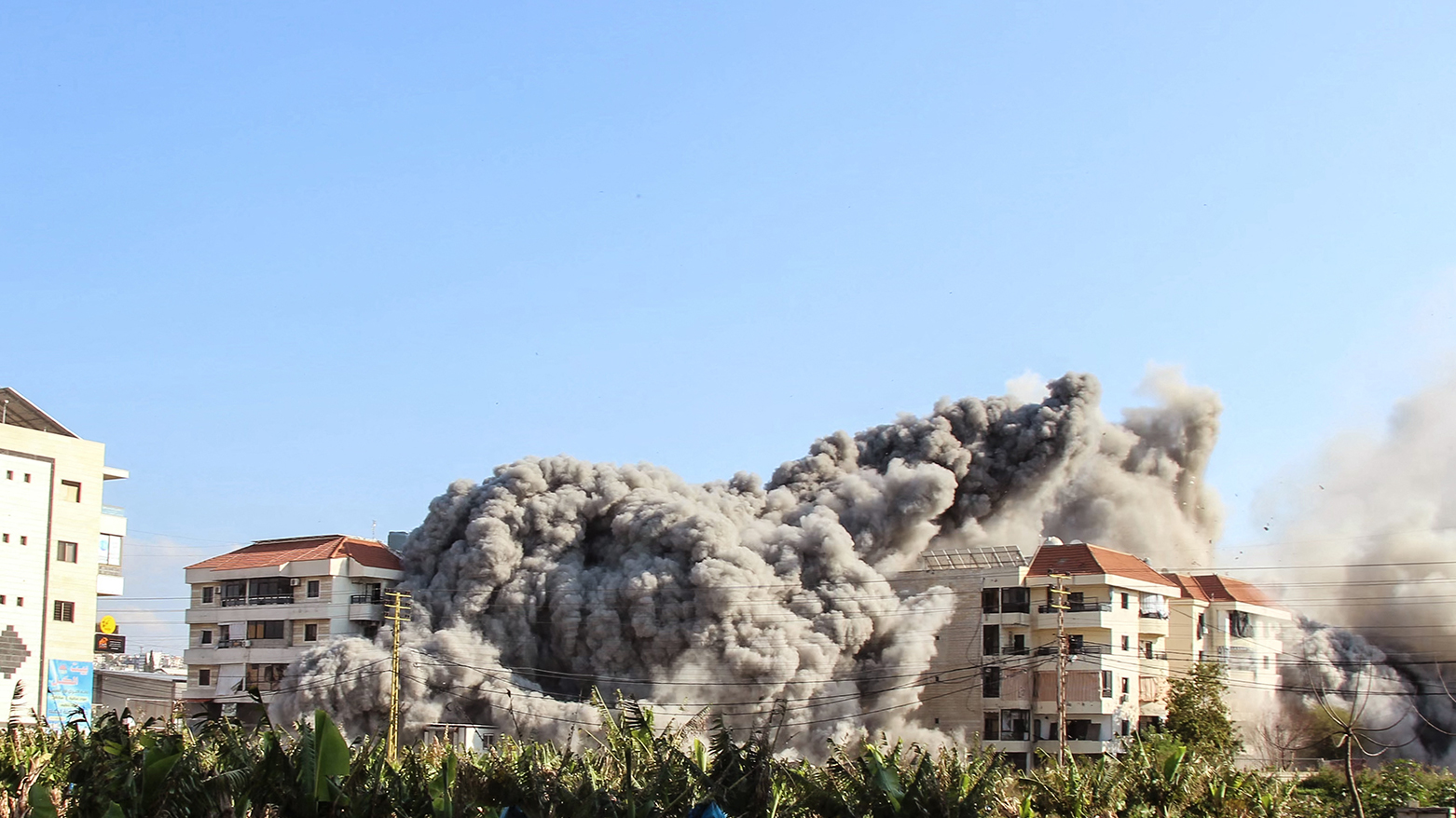
ERBIL (Kurdistan24) - Lebanese Prime Minister Nawaf Salam said on Saturday that Lebanon refuses to tie its national policy and security decisions to Iran’s interests, stressing that the government is taking political, diplomatic, and security measures to manage the impact of the ongoing conflict with Israel while maintaining independent state authority.
Speaking to Asharq Al-Awsat in Beirut, Salam underscored that Lebanon had been drawn into the wider regional war following Hezbollah’s missile attacks on Israel, which the group carried out in response to the U.S.-Israeli killing of Iran’s Supreme Leader Ali Khamenei. He said the conflict had imposed a heavy burden on the Lebanese population, particularly the displaced, and emphasized that the country’s involvement was not in the interests of its citizens.
Salam told the publication that diplomatic efforts to end hostilities had so far been impeded by the linkage of Lebanon’s situation to regional crises, including actions involving Iran. “We could have avoided being impacted by the conflict were it not for the strategic error committed by Hezbollah by being dragged us into it,” he said, describing the situation as catastrophic for Lebanon and the environment that Hezbollah claims to protect.
He added that foreign diplomatic initiatives were also hindered by Israel’s “extreme hardline position” and the United States’ preoccupation with the ongoing war. Salam highlighted that Iran’s attacks on neighboring countries that had sought to maintain friendly ties and expressed opposition to the conflict further complicated Lebanon’s security situation.
On the domestic front, the prime minister reiterated his government’s determination to enforce measures restricting Hezbollah’s military and security operations. He said Lebanon’s armed forces and judiciary were executing these directives, though the ongoing hostilities were hampering full implementation.
Salam also addressed Lebanon’s imposition of visa requirements for Iranian visitors, explaining that the decision was based on intelligence regarding activities by Iran’s Islamic Revolutionary Guard Corps that could threaten national security. He stressed that while Lebanon sought constructive state-to-state relations with Iran, the country would not subordinate its policies or national interests to those of any external actor.
The prime minister highlighted the government’s efforts to provide essential aid to residents displaced from southern Lebanon and the southern suburbs of Beirut, including food and medicine. He acknowledged that these measures posed a major challenge given Lebanon’s limited resources, noting that he was personally overseeing relief operations to ensure the needs of affected communities were met.
International diplomatic engagement continued over the weekend. French President Emmanuel Macron held three telephone calls with Lebanese President Joseph Aoun over two days in an attempt to advance negotiations to end hostilities. Ministerial sources said these efforts had yet to produce a breakthrough but expected renewed diplomatic initiatives by mid-next week. President Aoun also received a call from Spain’s King Felipe, who expressed Madrid’s support and solidarity with Beirut.
Israel has maintained pressure on the Lebanese government regarding Hezbollah. On Saturday, Israeli Defense Minister Israel Katz warned that Lebanon must disarm Hezbollah or face significant consequences. “We have no territorial claims against Lebanon, but we will not accept a situation where what existed for many years — firing from Lebanese territory toward the State of Israel — is renewed,” Katz said, urging prompt Lebanese action.
The United Nations has called for direct negotiations between Lebanon and Israel to end hostilities following the outbreak of renewed conflict. UN Special Coordinator for Lebanon Jeanine Hennis-Plasschaert said that dialogue could prevent further escalation and improve prospects for regional stability, noting that the humanitarian situation could deteriorate without immediate engagement.
Lebanon’s recent entanglement in the regional conflict began on Monday after Hezbollah launched missile attacks against Israel, citing retaliation for the killing of Iran’s supreme leader in U.S.-Israeli operations targeting Iran. These developments have intensified pressures on Lebanon’s government, which faces the dual challenge of responding to cross-border hostilities while maintaining independent policymaking separate from Iran’s strategic objectives.
Salam’s statements underscore Lebanon’s efforts to navigate the ongoing war while asserting national sovereignty. The government continues to implement security and administrative measures to limit Hezbollah’s military activities, provide humanitarian assistance to affected populations, and preserve state authority, all while emphasizing that Lebanon’s national interests cannot be equated with the objectives of Iran.
Lebanese officials reaffirmed that the country will maintain its independent policy course, provide for the displaced population, and continue diplomatic engagement to manage the impact of the Israel-Hezbollah conflict linked to Iran’s regional actions.