Israeli Strikes Hit Fuel Facilities Near Tehran as Iran Moves Toward Naming New Supreme Leader
Israeli strikes on fuel storage facilities near Tehran and Iran’s steps toward naming a new supreme leader marked significant developments in the ninth day of the escalating regional conflict.
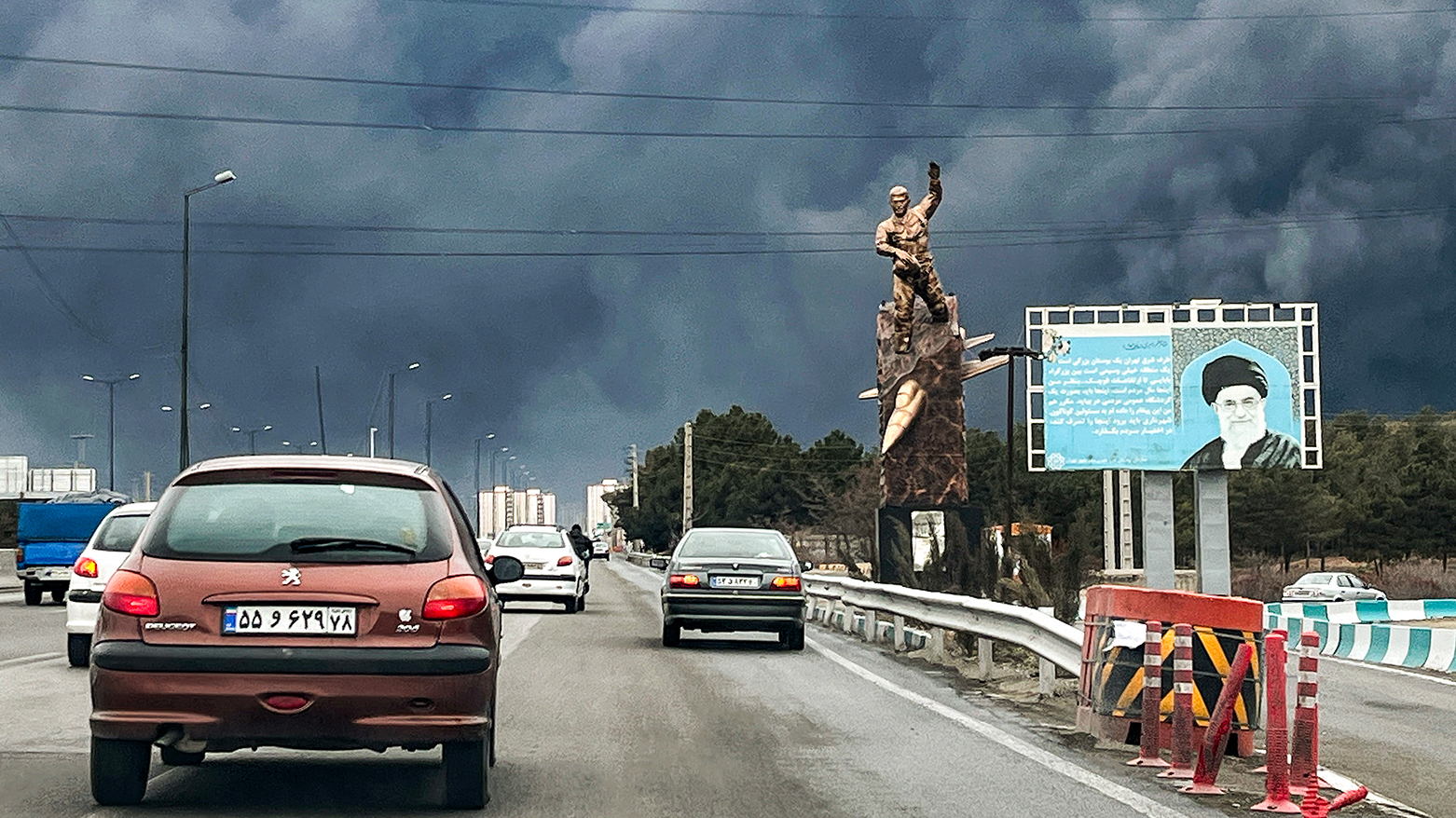
ERBIL (Kurdistan24) - Israeli forces expanded their bombardment of Iran overnight, striking fuel storage facilities near Tehran on Sunday as the conflict between Iran and a U.S.-Israeli military coalition entered its ninth day, according to a Reuters report.
Video footage from Tehran showed thick black smoke rising over the city after strikes ignited large fires at oil storage facilities, illuminating the skyline with flames overnight, the report said. The attacks targeted fuel depots believed to be connected to military operations, according to an Israeli source cited by Reuters.
Iran’s oil distribution company said four employees were killed in the strikes on the fuel storage sites. The company added that fuel rationing would be temporarily introduced in some areas in order to ensure continued supplies following the attacks.
The strikes marked an escalation in the ongoing conflict, which began earlier this month and has involved air and drone attacks across multiple countries in the region. Israeli Prime Minister Benjamin Netanyahu said Israel would continue its operations against Iranian leadership and infrastructure.
“We have an organised plan with many surprises to destabilise the regime and enable change,” Netanyahu said in a video statement cited by Reuters. “We have many more targets.”
The developments came as Iranian authorities moved closer to naming a successor to Iran’s supreme leader following the killing of Ayatollah Ali Khamenei early in the conflict. Iranian media reported that the clerical body responsible for selecting the country’s supreme leader could meet as soon as Sunday to decide on a replacement.
According to the Mehr news agency, Assembly of Experts member Ayatollah Mohammadmehdi Mirbaqeri said that a majority consensus had largely been reached on the selection of a successor. Another member of the body, Ayatollah Mohsen Heidari Alekasir, said in a video statement that a candidate had been chosen based on Khamenei’s guidance that Iran’s top leader should be “hated by the enemy.”
Two Iranian sources told Reuters last week that Mojtaba Khamenei, the son of the late supreme leader, was widely viewed as the leading candidate to assume the position. Reuters reported that Mojtaba Khamenei had accumulated significant influence during his father’s tenure, particularly within Iran’s security apparatus and its extensive economic networks.
The Israeli military has indicated that it would target any successor to the Iranian leadership. Israeli officials have stated that military operations would continue against Iranian leadership structures as part of the broader campaign.
U.S. President Donald Trump also commented on the conflict, saying the war might continue until Iran’s military and governing leadership had been eliminated. Speaking to reporters aboard Air Force One, Trump said he was not interested in negotiating an end to the conflict at the current stage.
“At some point, I don’t think there will be anybody left maybe to say, ‘We surrender,’” Trump said, according to Reuters.
The conflict has spread beyond Iran’s borders, with several Gulf countries reporting drone attacks attributed to Iran. Authorities in Saudi Arabia, Kuwait, the United Arab Emirates, and Bahrain reported Iranian drone activity targeting locations within their territories on Saturday and early Sunday.
Kuwait’s interior ministry said two officers were killed while performing their duties after a government office building in the country caught fire following a drone strike.
In Bahrain, officials said an Iranian drone attack caused material damage to a desalination plant. The country’s electricity and water authority said the strike did not interrupt water supplies. According to Reuters, this was the first time during the conflict that an Arab country reported a desalination facility being targeted.
Iran had earlier accused the United States of striking a desalination plant on Qeshm Island, saying the attack disrupted water supplies to approximately 30 villages. Iranian officials described the strike as a dangerous action with serious consequences.
Saudi Arabia has also communicated warnings to Tehran regarding the ongoing attacks. People familiar with the matter told Reuters that Riyadh informed Iranian authorities that continued attacks on Saudi territory and energy infrastructure could prompt a direct response.
Iranian President Masoud Pezeshkian issued an apology to neighboring countries following Iranian attacks on U.S. military bases located in Gulf states. According to Reuters, Pezeshkian said the strikes had targeted U.S. facilities in those countries on Saturday.
The apology generated criticism from hardline figures within Iran. In response, Pezeshkian’s office reiterated that Iran’s military would respond firmly to attacks launched from U.S. bases.
The conflict has also drawn in additional actors in the region. The Iran-backed militant group Hezbollah fired rockets and drones into Israel last week, according to the report, bringing Lebanon into the expanding hostilities.
Israel conducted an airstrike early Sunday on a hotel building in central Beirut, killing at least four people. Israeli officials said the strike targeted Iranian commanders operating in the Lebanese capital.
Reuters reported that the strike marked the first time Israeli forces had attacked a location in the heart of Beirut during the current conflict. The attack raised concerns that Israel could expand its operations beyond areas traditionally associated with Hezbollah activity.
Casualty figures reported during the conflict continue to rise. Iran’s ambassador to the United Nations, Amir Saeid Iravani, said U.S.-Israeli attacks had killed at least 1,332 Iranian civilians and wounded thousands more.
Iranian attacks have killed 10 people in Israel, according to the report. At least six U.S. service members have also been killed during the hostilities, with Iran stating on Sunday that it had struck U.S. military bases in Kuwait.
The United States and Israel have also discussed the possibility of deploying special forces to secure Iran’s stockpile of highly enriched uranium at a later stage of the conflict. Axios reported that the discussions involved plans to send troops to safeguard nuclear materials if circumstances required.
When asked about the possibility of ground forces entering Iran to secure nuclear facilities, Trump said it was an option that could be considered later.
Energy markets and global transportation networks have been affected by the ongoing conflict, which has disrupted oil infrastructure and heightened tensions across the Gulf region, according to Reuters.