Iraqi Ministry Confirms Airspace Closure Amid U.S.-Israeli Attacks on Iran
The Iraqi Ministry of Transport confirmed that the country’s airspace closure remains in effect, with all national carrier aircraft secured and preventive safety measures actively maintained.
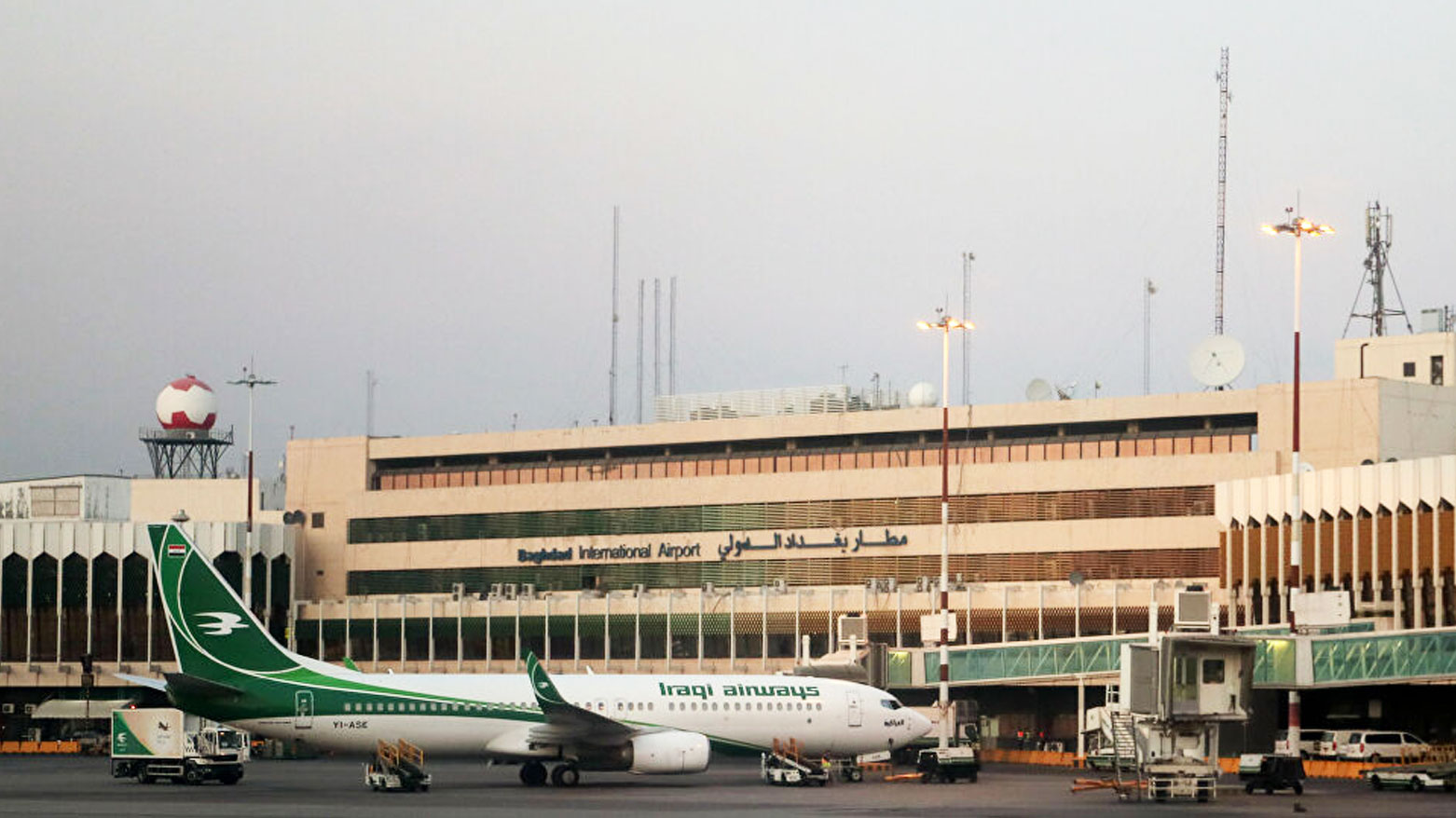
ERBIL (Kurdistan24) - The Iraqi Ministry of Transport confirmed that the country’s airspace remains closed as a precautionary measure amid ongoing U.S. and Israeli attacks on Iran, ensuring that national carrier aircraft are secured at airports with heightened safety protocols, officials said.
Maytham al-Safi, director of the Ministry’s Media Office, said in a press release that authorities have “intensified efforts to maintain the safety of Iraqi aviation, particularly in light of current circumstances involving the continuation of American and Israeli attacks on the Islamic Republic of Iran.” He noted that all aircraft are positioned in secure areas within airports according to technical and security procedures coordinated with relevant authorities.
The Ministry stressed that the closure aligns with the directives of Iraq’s Civil Aviation Authority and the Security Assessment Committee, which continuously monitors regional security risks. Al-Safi explained that reopening the skies will depend on the outcomes of security assessments conducted by competent authorities, in accordance with international standards for civil aviation risk management and passenger safety.
According to the statement, the positioning and distribution of aircraft within Iraqi airports have followed preventive measures to mitigate potential risks from regional hostilities. The Ministry emphasized that its operations prioritize the safety of flights, passengers, and airport personnel while maintaining compliance with established aviation protocols.
The airspace closure comes amid intensified regional hostilities following U.S.-Israeli military operations against Iran, including strikes targeting Iranian fuel facilities and other strategic infrastructure. These attacks have raised concerns about the safety of civilian air traffic across the Middle East, prompting Iraq to implement precautionary measures for its national carriers.
Al-Safi reiterated that the Ministry remains fully committed to observing all relevant safety guidelines and international risk assessment practices. The Ministry’s measures aim to ensure that Iraqi aviation operations are shielded from potential spillover effects of the ongoing conflict, and that preventive arrangements are continuously reviewed and updated in line with evolving threats.
The Ministry’s statement did not provide a specific timeline for the reopening of Iraqi airspace but emphasized that decisions will be guided by security evaluations and international civil aviation standards. These measures are part of broader efforts by Iraq to safeguard its airspace and mitigate risks to national carriers while the regional situation remains volatile.
Aircraft remain in secured locations across major Iraqi airports, with authorities maintaining heightened monitoring and coordination with civil aviation and security bodies. The Ministry underlined that its safety protocols are designed to comply with international standards while addressing current security challenges posed by regional military operations.