Saudi Authorities Say Missile Strike in Al-Kharj Kills Two Foreign Workers, Injures 12 in Residential Compound
Saudi authorities said a missile strike in Al-Kharj killed two foreign workers and injured 12 others, while regional tensions continue to disrupt global energy routes.
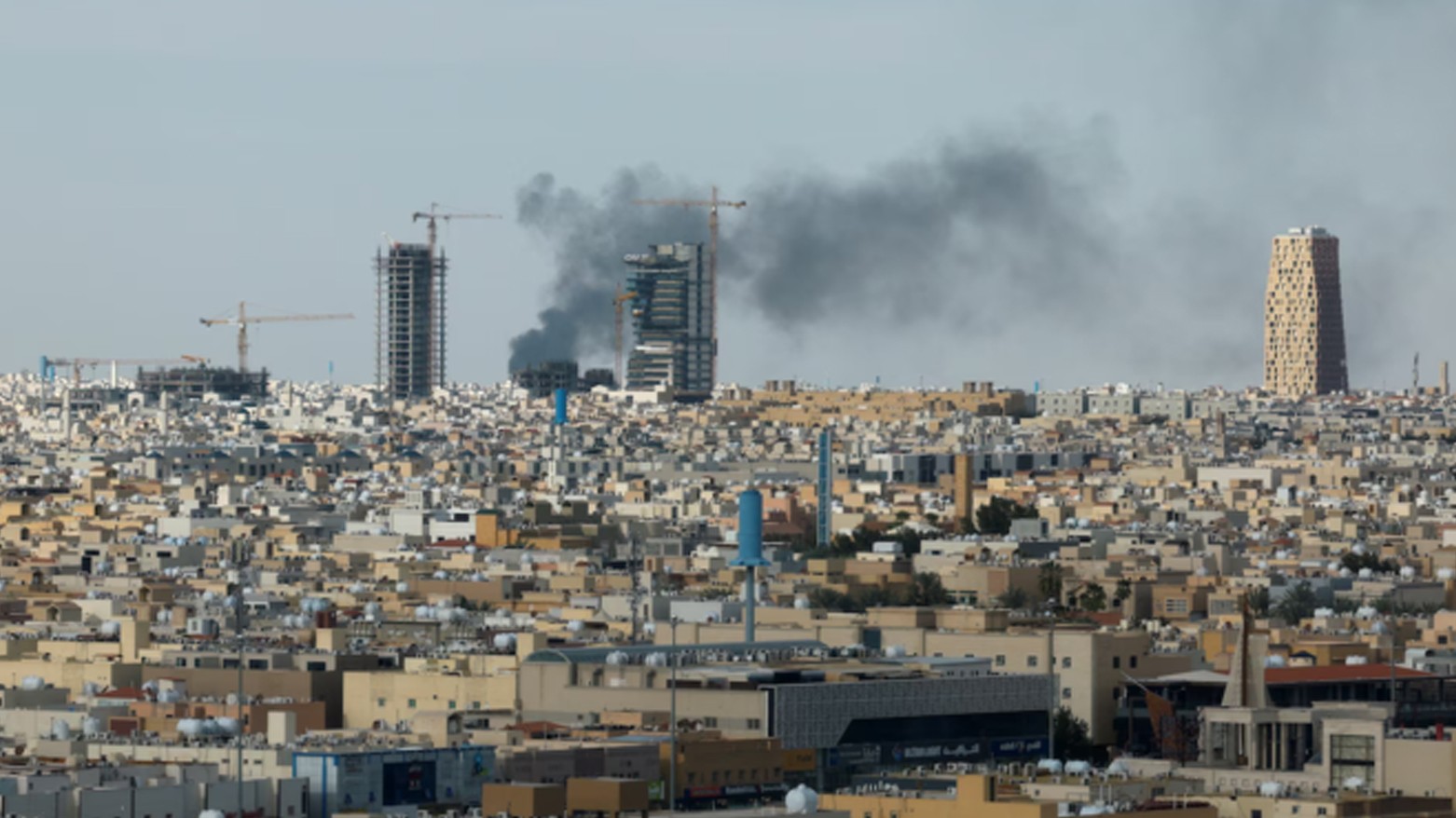
ERBIL (Kurdistan24) - Authorities in Saudi Arabia said a missile strike in Al-Kharj province killed two people and injured 12 others after it landed in a residential area.
On Sunday, the spokesperson for the Saudi Civil Defense said emergency teams immediately responded to the scene following the incident.
According to officials, the missile fell on a residential compound housing workers employed by a cleaning and maintenance company.
Authorities said the two people killed were foreign workers holding Indian and Bangladeshi nationalities. The 12 injured victims are all Bangladeshi nationals.
In addition to the casualties, the strike caused significant material damage to the site.
Saudi Civil Defense emphasized that targeting civilian areas constitutes a clear violation of international humanitarian law and said official procedures have been initiated to deal with the aftermath of the attack.
The incident comes amid rising regional tensions and disruptions to energy transportation in the Gulf region.
Recent reports indicate that the continued closure of the strategic Strait of Hormuz has created an unprecedented crisis in maritime transport and oil production.
Global media reports say oil tankers that entered Gulf waters before the closure are now fully loaded and stranded, leaving no empty vessels available to transport new oil shipments.
Experts warn that if the situation continues, major oil-producing countries in the Gulf may be forced to halt production because there are neither empty tankers available nor sufficient onshore storage capacity for additional oil.
The closure of the Strait of Hormuz—one of the world’s most critical energy trade routes—poses a major threat not only to regional economies but also to global energy supply and markets.