Ukraine Deploys Drone Experts to Jordan to Support U.S. Bases Against Iranian Attack Drones
Ukraine’s deployment to Jordan is intended to provide immediate technical support against Iranian drone threats, aligning with requests from U.S. military officials and regional partners.
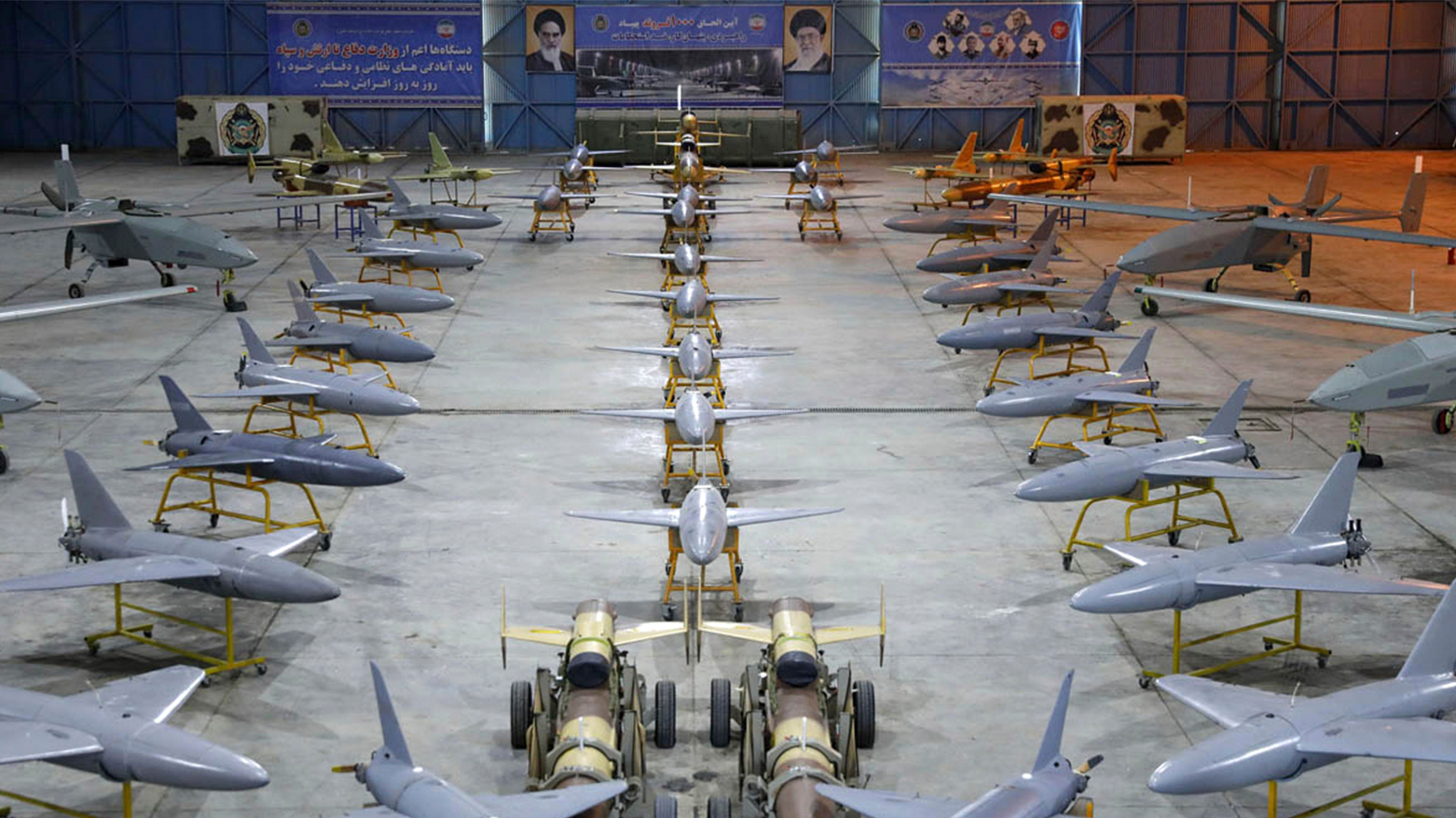
ERBIL (Kurdistan24) - Ukraine has deployed a team of drone experts and interceptor drones to Jordan to assist U.S. military bases in defending against Iranian-made attack drones, President Volodymyr Zelensky said on Friday. The deployment follows a request from the United States, which Zelensky said was made on Thursday, with the Ukrainian team departing the next day and expected to arrive in the Middle East shortly.
“We reacted immediately,” Zelensky said in an interview with The New York Times, conducted during a train ride from eastern Ukraine to Kyiv. “I said, yes, of course, we will send our experts.” The Ukrainian leader characterized the move as a response to urgent requests from U.S. forces for specialized expertise in countering long-range, one-way attack drones originating from Iran.
According to Zelensky, Ukraine’s offer reflects its extensive experience in defending against drones similar to those supplied by Iran to Russia during the ongoing war in Ukraine. Ukrainian forces have reportedly adapted to intercepting the unmanned systems using a combination of heavy machine guns, rockets deployed from F-16 aircraft, electronic jamming devices, and domestically produced interceptor drones. The Ukrainian Air Force reported that in February, Ukrainian forces successfully neutralized approximately 87 percent of Russian Shahed-style drones and decoys sent into Ukrainian cities.
Zelensky also said that the request for assistance came at a time when Middle Eastern nations were seeking support to counter the expanding Iranian drone threat. “In the days after the U.S.-Israeli war in Iran started, we fielded calls from leaders in Bahrain, the United Arab Emirates, Jordan, Kuwait, Qatar and Saudi Arabia looking for help,” he stated.
U.S. officials did not respond to requests for confirmation regarding the call for Ukrainian support. Zelensky noted, however, that the decision to dispatch Ukrainian experts was made quickly and was intended to provide practical solutions to the technical challenges posed by Iran’s drones.
The Ukrainian leader explained that these drones, known as Shaheds, have been used in recent attacks on U.S. military positions. One such drone reportedly killed six U.S. service members at a command center in Kuwait last week. Zelensky highlighted that, while Iranian ballistic missile attacks have slowed due to U.S. and Israeli operations, the volume of drones remains high.
Ukraine has also sought to assist Middle Eastern countries in evaluating alternatives to intercepting drones with expensive missile systems. Zelensky noted that Patriot missiles, widely used to counter such threats, are in limited supply. According to his account, only 620 of the most advanced Patriot systems were delivered globally in 2025, while initial days of the Iran war last week consumed over 800 missiles to counter more than 2,000 Iranian drones and over 500 ballistic missiles.
Kyiv has indicated that it is willing to trade interceptor drones with Middle Eastern partners in exchange for more advanced systems better suited to counter Russian ballistic missiles, Zelensky said. Additionally, Ukraine has offered assistance to nations seeking to develop defensive measures without relying exclusively on missile interceptors, reflecting the country’s operational experience in high-volume drone defense.
Dmytro Lytvyn, an adviser to Zelensky, noted that Ukraine has received only about 600 advanced Patriot missiles over the four years of conflict, underscoring the country’s need to optimize defensive strategies and technologies.
Zelensky emphasized that the deployment to Jordan is part of a broader effort to provide technical expertise while balancing Ukraine’s domestic defense priorities. “We want to help Middle Eastern nations but also need to balance those requests with Ukraine’s needs at home,” he said. The president highlighted that some countries in the region maintain strong ties with Russia and may facilitate diplomatic engagement that could encourage a temporary pause in hostilities.
In addition to the team deployed to Jordan, Zelensky said that another Ukrainian group of experts is being sent to the Middle East to advise countries on alternative measures to counter Iranian drones, aside from relying solely on costly interceptor missiles.
The Iranian-designed Shahed drones, originally supplied to Russia, have been used extensively against Ukrainian targets and have inspired Russian variants. Ukraine has adapted its defense to intercept these drones efficiently, using a combination of conventional weapons and domestically developed technology. The approach allows Kyiv to conserve more expensive missile systems while maintaining a high interception success rate.
Zelensky reiterated that Ukraine’s contributions aim to protect U.S. and allied forces in the region. He stressed that the assistance is strictly operational, focused on neutralizing immediate drone threats. “Of course, we can help the Middle East to defend them,” he said, emphasizing practical, technical support rather than strategic engagement.
The deployment also underscores Ukraine’s ongoing cooperation with U.S. forces and allies in the Middle East, providing an opportunity to leverage its experience in drone warfare while navigating complex international defense requirements.
The White House did not respond to inquiries about the timing or specifics of its request to Ukraine. Zelensky characterized the Ukrainian response as timely and aligned with operational needs on the ground in the Middle East.
The Ukrainian leader said that the effort reflects the country’s capacity to provide actionable defense expertise, drawn from years of direct engagement against one-way attack drones. Ukraine’s adaptation of low-cost interception methods, combined with operational experience, has positioned it as a source of technical assistance for nations confronting similar aerial threats.
The deployment to Jordan represents Ukraine’s immediate response to the Iranian drone threat targeting U.S. bases, incorporating both personnel and specialized equipment designed for high-efficiency drone interception.
Zelensky noted that the team’s arrival is imminent, with preparations for operational integration with U.S. forces ongoing. He stressed that Ukraine’s role is advisory and technical, ensuring that Middle Eastern forces can implement practical defensive measures against Iranian unmanned aerial systems.
The move follows escalating drone attacks linked to Iran, as the U.S.-Israeli conflict in the region continues. Zelensky confirmed that Ukrainian teams are coordinating closely with local authorities and U.S. military leadership to optimize deployment outcomes.
The Ukrainian contribution is part of a coordinated effort to bolster Middle Eastern defenses against unmanned threats while maintaining the balance of resources needed for Ukraine’s ongoing security challenges.
The Ukrainian government has not indicated any plans to deploy additional personnel beyond the teams already announced.