Senior Iraqi Shia Leaders Pledge Allegiance to Mojtaba Khamenei, Affirm Support for Iran’s New Leadership
Both leaders framed their declarations around religious legitimacy, political continuity, and the broader struggle against what they described as external threats to Iraq and the region’s stability
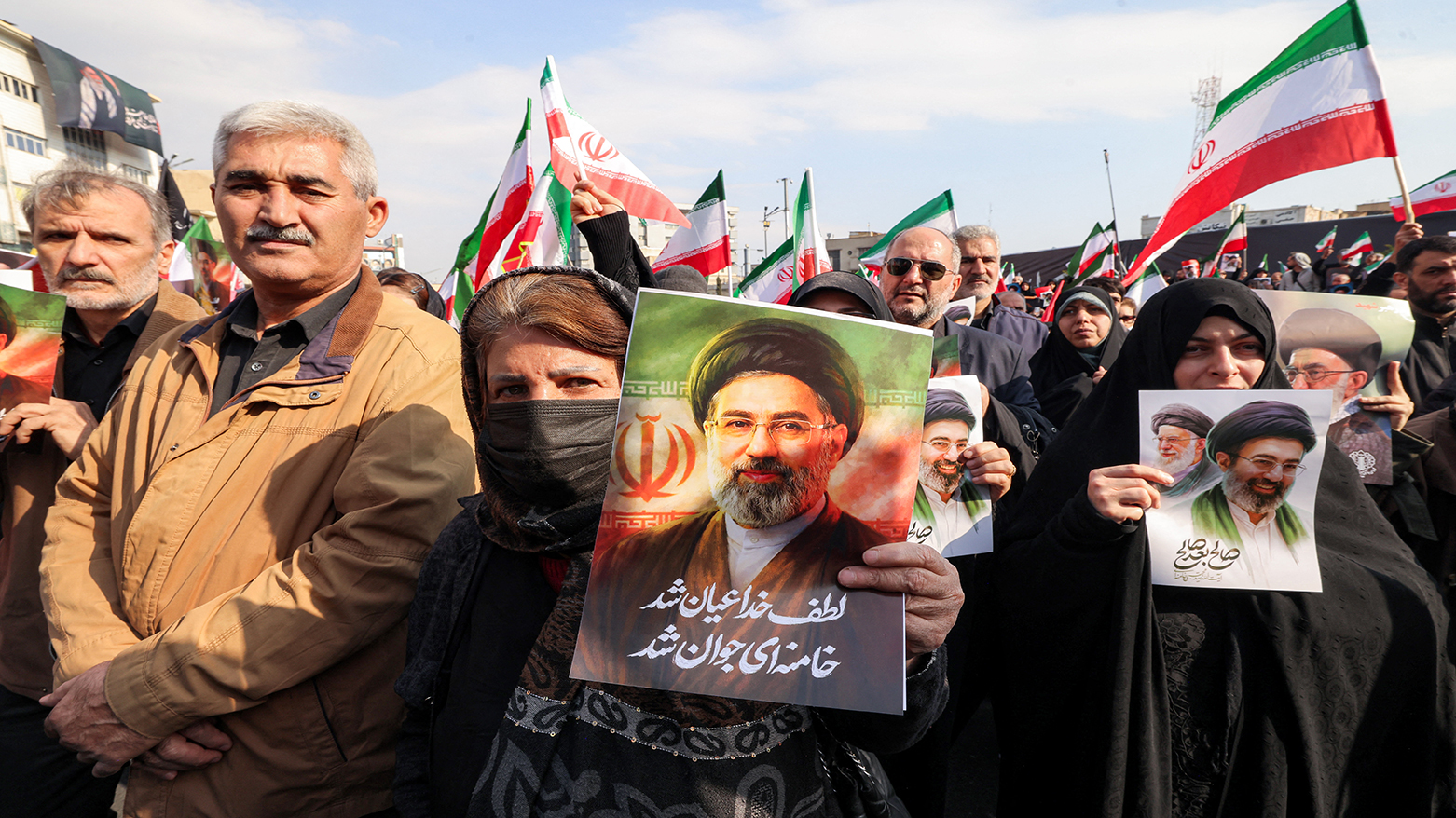
ERBIL (Kurdistan24) — Two of Iraq’s most influential Shia political‑military figures — the secretary‑general of Islamic Dawa Party, Noori al‑Maliki, and the head of Badr Organization, Hadi al‑Amiri — have publicly declared their support and sworn allegiance to Mojtaba Khamenei following his selection as the new supreme leader of Iran.
In separate statements on Monday, both leaders framed their declarations around religious legitimacy, political continuity, and the broader struggle against what they described as external threats to Iraq and the region’s stability. Al‑Maliki also highlighted Iraq’s resilience and ability to move past the recent leadership transition in Tehran.
Al‑Maliki issued a message congratulating the Iranian nation and Khamenei on his appointment as successor to his father, Ali Khamenei, as leader of the Islamic Republic. He called the selection a sign of confidence in religious scholarship and continuity in governance at a crucial moment.
Al‑Maliki emphasized that the Iranian people once again demonstrated their capacity to navigate hardship and quickly fill the leadership void left by the late supreme leader, cementing institutional stability at home.
In his statement, the secretary‑general of the Islamic Dawa Party underlined the broader regional context, declaring that despite the ongoing challenges of war, suffering, and political strain, the people of Iran remain steadfast in preserving the republic’s course and supporting the collective movement resisting external pressures.
Hadi al‑Amiri, in his address, portrayed Khamenei’s elevation as strengthening the cause of what he described as “right” against invading forces, underscoring the need for continued resistance and solidarity.
“We reaffirm our pledge of allegiance and demonstrate our readiness to uphold the path of Imam Hussein and the guidance of the departed leader,” al‑Amiri said, invoking religious symbolism central to Shia‑led political formations.
In another part of his statement, al‑Amiri turned his focus to Iraq’s internal affairs, stressing the importance of adherence to religious authority and alignment with established religious jurisprudence to safeguard Iraq’s sovereignty and national identity.
He also criticized regional actors, saying that Iran’s Islamic Republic remains steadfast and will act to counter efforts aimed at undermining the will of the people across the region.
The public pledges by two major Iraqi Shia political figures to Iran’s new supreme leader come at a time of evolving geopolitical tensions in the Middle East, following high‑profile escalations between Tehran and its adversaries.
Analysts say these endorsements reflect the deep religious, political, and ideological ties binding Iraq’s Shia movements with Iran’s leadership — ties that continue to shape Baghdad’s domestic power dynamics and its regional posture amid competing pressures from Western, Arab, and Iranian interests.
Al‑Maliki’s and al‑Amiri’s declarations are likely to resonate beyond Iraq’s borders, reinforcing Tehran’s regional networks of influence while also prompting renewed debate among Iraqi political actors about national sovereignty, autonomy, and the role of external alignments in shaping the country’s future.