Explosions Rock Doha as Iran Expands Retaliatory Strikes Across Gulf
Oil markets fluctuate amid fears over Strait of Hormuz security as regional conflict enters twelfth day
ERBIL (Kurdistan24) — Several explosions were heard across the Qatari capital of Doha on Wednesday as Iran widened its retaliatory military campaign across the Gulf region, raising security concerns and intensifying global economic anxiety as the conflict entered its twelfth day.
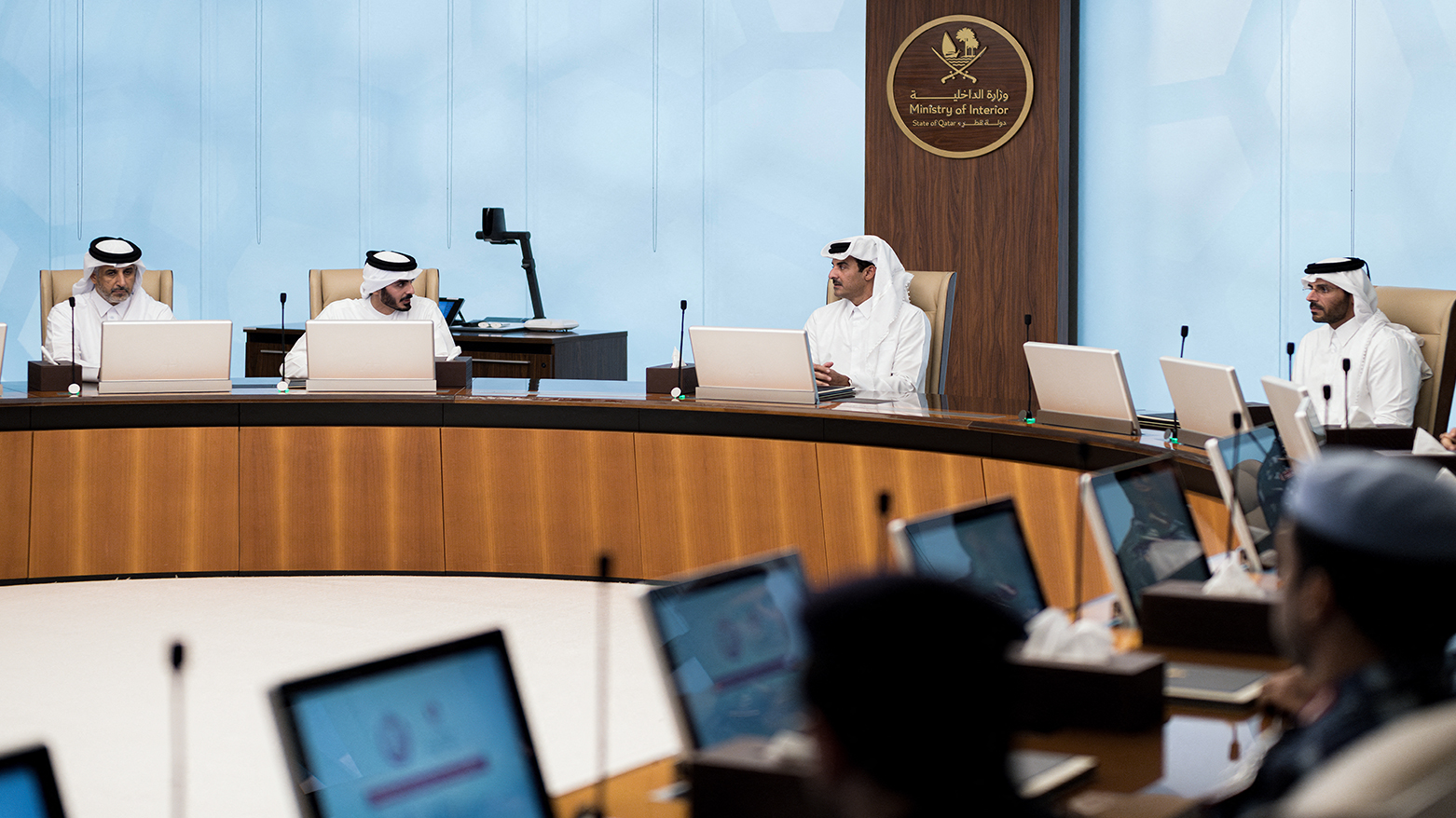
AFP correspondents in Doha reported multiple blasts echoing across the city. In response, Qatar’s interior ministry warned residents that the security threat level was high and urged the public to remain indoors.
“The security threat level is high,” the ministry said in a message posted on X, calling on “everyone to adhere to staying at home, not going out, and staying away from windows and open areas to preserve public safety.”
The developments came as Iran launched a new wave of attacks targeting Israel and several Gulf states, including an attempted strike on a major Saudi oil facility. Regional defenses reportedly intercepted several drones and ballistic missiles, including those aimed at the Shaybah oil field in Saudi Arabia.
Iran’s expanding military response follows the outbreak of war triggered by joint U.S.–Israeli strikes on Iran on Feb. 28, which killed Iran’s longtime supreme leader Ali Khamenei. The conflict has since spread across multiple countries, disrupting energy markets, forcing school closures in some areas, and causing fuel rationing as oil prices surge.
Global markets briefly rallied Wednesday after reports that the International Energy Agency may authorize its largest-ever release of strategic oil reserves to stabilize supply. The proposal is expected to be discussed alongside the conflict’s economic consequences during an emergency video conference of leaders from the Group of Seven later in the day.
Tensions have centered heavily on the security of the Strait of Hormuz, the strategic maritime corridor through which roughly one-fifth of the world’s oil passes. The United States said Tuesday it targeted Iranian vessels capable of laying naval mines in the strait.
The U.S. military released footage showing Iranian boats destroyed in the operation, stating that 16 minelayers were eliminated near the waterway.
U.S. President Donald Trump warned Iran against disrupting maritime traffic in the strait.
“If for any reason mines were placed, and they are not removed forthwith, the military consequences to Iran will be at a level never seen before,” Trump wrote on social media.
Rising oil prices have also created political pressure for Trump ahead of upcoming U.S. elections. Crude prices jumped roughly five percent late Tuesday before retreating Wednesday after news of the potential strategic reserve release.
Early Wednesday, Britain’s maritime security agency reported that a container ship near the coast of the United Arab Emirates was struck by an “unknown projectile,” highlighting ongoing threats to shipping in the region.
Meanwhile, Iran intensified its missile campaign against Israel. Iranian authorities said their forces carried out what they described as their “most intense and heaviest” barrage so far, launching missiles for three hours toward multiple Israeli cities.
Air raid sirens sounded across Jerusalem, while explosions were also reported in Tel Aviv. Emergency services said there were no immediate reports of fatalities, though several injuries were reported.
Iran’s elite military force, the Islamic Revolutionary Guard Corps, also claimed responsibility for strikes targeting Bahrain, Iraqi Kurdistan, and a U.S. air base in Kuwait City. Kuwaiti authorities said their air defenses intercepted eight drones.
In a statement posted in English on X, Iranian parliament speaker Mohammad Bagher Ghalibaf said Tehran was not seeking to end the conflict.
“Certainly we aren't seeking a ceasefire,” he wrote. “We believe the aggressor must be punished and taught a lesson that will deter them from attacking Iran again.”
Since the war began, seven U.S. service members have been killed and about 140 injured, according to the Pentagon.
Inside Iran, authorities have warned against domestic unrest following the earlier suppression of mass protests. National police chief Ahmad-Reza Radan said demonstrators would be treated as “enemies,” adding that security forces were ready to defend the country.
Despite the escalating violence, some residents in Tehran expressed cautious relief that strikes appeared to avoid residential areas. One woman in her 40s said the bombings did not appear to target ordinary buildings but described the sound of explosions as “extremely disturbing.”
Iran’s health ministry said more than 1,200 people had been killed and over 10,000 civilians injured since the conflict began.
The war’s ripple effects have reached far beyond the Middle East. In Sri Lanka, U.S. forces reportedly torpedoed an Iranian vessel, while Australia announced it had granted asylum to two members of Iran’s women’s national football team.
Meanwhile, fighting continues to intensify in neighboring countries aligned with Tehran. In Iraq, Iranian-linked armed groups said five of their fighters were killed in strikes they blamed on the United States.
In Lebanon, where Israel has launched extensive operations against the Iran-backed Hezbollah group, hundreds have been killed and hundreds of thousands displaced. Israeli strikes continued Wednesday in southern suburbs of Beirut, while Lebanese officials reported additional casualties in the southern town of Qana.
Iran has also complained to the United Nations after four of its diplomats were killed in an Israeli strike on a hotel in central Beirut earlier this week.
Beyond the battlefield, the war’s economic impact is spreading globally. The UN’s trade and development agency warned that rising energy prices could drive up the cost of essential goods such as fuel and food, hitting vulnerable populations the hardest.
In Cairo, where fuel prices recently increased by up to 30 percent, a mother of six said she feared for the future.
“We were barely getting by as it is,” she said while shopping at a local market. “I don’t know how people will manage.”