Iranian Armed Forces Spokesperson Urges Regional States to Rely on Iran, Not U.S.
Iranian Armed Forces spokesperson Abolfazl Shekarchi urged Muslim nations to rely on Iran over the U.S., claiming American forces, including the USS Abraham Lincoln, were repelled and U.S. bases destroyed. He emphasized Iran’s defensive strength and regional leadership.
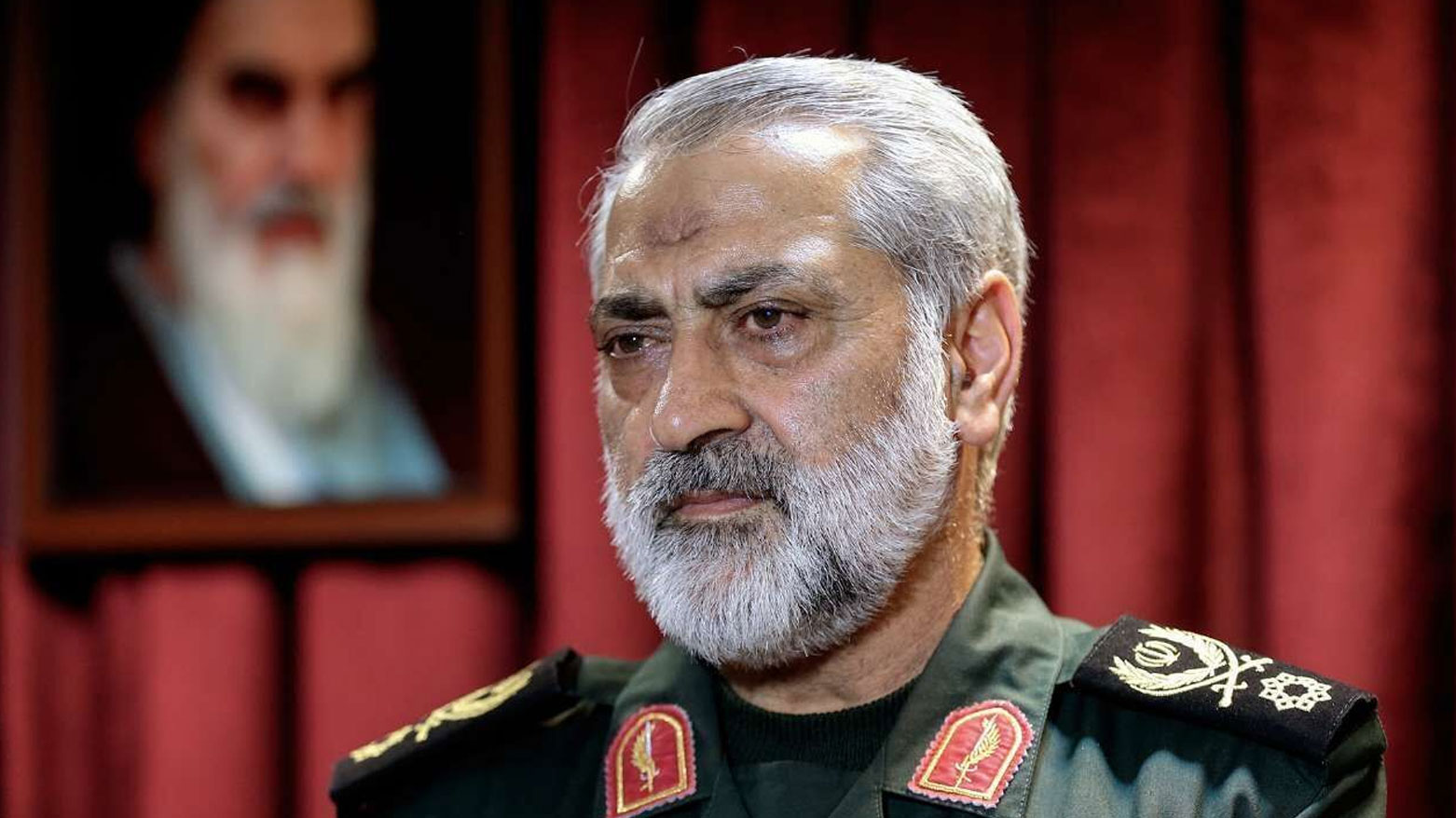
ERBIL (Kurdistan24) - The spokesperson for the Iranian Armed Forces, Abolfazl Shekarchi, issued a statement on Saturday urging regional countries to rely on Iran rather than the United States for security, asserting that Washington lacks the capability to defend its own military or maintain stability in the Middle East.
Shekarchi addressed leaders of Islamic nations, emphasizing the importance of unity against the U.S. and Israel, which he characterized as demonstrating “infidelity and hypocrisy,” according to the statement.
Shekarchi told regional leaders, “Do not rely on America’s weak power; that country cannot even defend its own collapsed army, so it is in no way capable of ensuring the security of the region’s Islamic countries.”
The remarks underscored Tehran’s call for closer security coordination among Muslim states without American involvement.
In the statement, Shekarchi claimed that the USS Abraham Lincoln, the largest American aircraft carrier, had been forced to withdraw after confronting Iranian forces.
He described the deployment as historically significant, framing it as a defeat inflicted by Iran.
Shekarchi further asserted that U.S. military bases in the region, built under the premise of maintaining “regional security” and funded using wealth from Muslim countries, had been destroyed, resulting in casualties among American personnel, including soldiers and commanders.
Shekarchi said Iran has demonstrated its ability to repel aggression at any scale, adding that the United States is “no longer a global power and must leave the West Asia region.”
He also highlighted Iran’s capacity to rebuild infrastructure, including schools, buildings, and marketplaces, for those affected by military confrontations.
“What will never be repaired or restored,” he stated, “is America’s reputation and power, its collapsed army, and Israel’s disgrace.”
The remarks represent a rare direct address by Iranian military leadership to regional governments regarding the strategic posture of the United States in West Asia.
Shekarchi’s statements placed particular emphasis on the perceived failures of U.S. military power, using the withdrawal of a carrier vessel as a symbol of declining American influence.
Officials noted that Shekarchi framed the United States as incapable of protecting its forces or ensuring the security of allied states, while positioning Iran as a reliable regional power able to manage both defense and reconstruction.
The statement suggested a broader appeal to regional leaders to seek alternatives to American security guarantees, specifically through cooperation with Iran and other Muslim nations.
In addition to addressing military engagements, Shekarchi’s statement outlined Iran’s readiness to provide reparations and reconstruction for civilian infrastructure damaged in conflict.
He emphasized the government’s ability to restore essential services and public facilities, indicating a dual focus on military deterrence and domestic resilience.
The statement comes amid heightened tensions between Tehran and Washington, with regional security dynamics increasingly influenced by confrontations between U.S. and Iranian forces.
Shekarchi’s remarks highlighted both military achievements claimed by Iran and its broader strategic messaging aimed at neighboring governments, underlining Tehran’s insistence on regional self-reliance.
While Shekarchi did not provide specific dates or operational details of the purported carrier withdrawal or base destructions, the Iranian Armed Forces’ statement portrayed these events as evidence of Washington’s diminished capacity and as a demonstration of Iran’s defensive capabilities.
The Iranian spokesperson’s comments were addressed directly to the leaders of Islamic nations, urging them to re-evaluate their reliance on U.S. military power and to prioritize cooperation within the Islamic world.
The statement combined military assertions with broader strategic messaging on the balance of power and the perceived necessity of regional solidarity under Iranian leadership.
Shekarchi concluded by highlighting Iran’s ability to rebuild civilian infrastructure while asserting that U.S. influence and Israel’s standing cannot be restored, emphasizing Tehran’s framing of the United States as weakened and incapable of maintaining its traditional global or regional roles.
The statement reflects Tehran’s public positioning of itself as both a defensive power and a guarantor of regional autonomy, calling on neighboring countries to reconsider security alignments in light of what it described as recent military setbacks suffered by the United States.