WSJ: Trump Was Warned Iran Might Close Strait of Hormuz Before Ordering Strikes
The Wall Street Journal reported that President Donald Trump was warned Iran could close the Strait of Hormuz before the war but proceeded with the attack, believing Tehran would back down and that US forces could manage the threat.
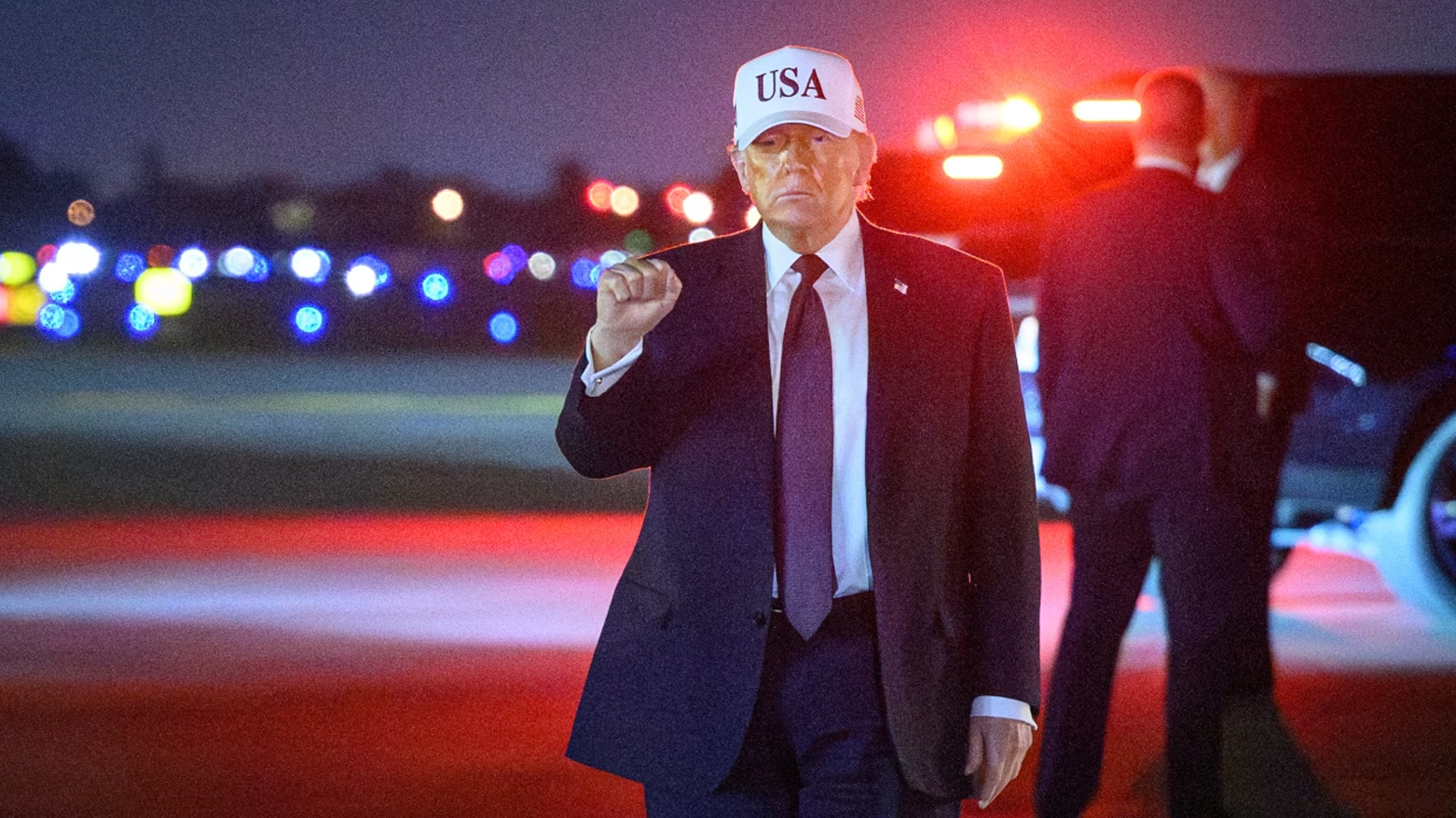
ERBIL (Kurdistan24) - US President Donald Trump was warned before launching military operations against Iran that the country could attempt to close the Strait of Hormuz, one of the world’s most critical oil shipping routes, according to a report published by The Wall Street Journal, on Sunday.
The report revealed that the decision to attack Iran came despite strong warnings about the potential consequences of shutting down the Strait of Hormuz and the possible shock it could trigger in the global economy.
According to the report, Gen. Dan Caine, Chairman of the Joint Chiefs of Staff, warned President Trump in several briefings that an American attack could prompt Iran to attempt to close the strategic waterway.
Caine told the president that US officials had long believed Iran could deploy naval mines, drones, and missiles in an effort to block the strait, which is considered one of the most vital shipping lanes in the world.
The Wall Street Journal, citing people familiar with internal discussions, reported that Trump acknowledged the risks during the briefings but still decided to move forward with the military operation.
According to the report, the president believed Iran would likely capitulate before taking such a step, and he also told advisers that even if Tehran attempted to block the strait, the US military would be able to handle the threat.
The Strait of Hormuz is the world’s most vital oil export route, linking major Gulf producers—including Saudi Arabia, Iran, Iraq, and the United Arab Emirates—to the Gulf of Oman and the Arabian Sea.
Since the war began, Iran has taken steps to disrupt shipping in the area, blocking some oil tankers and attacking cargo vessels, developments that have contributed to a rapid increase in global oil prices.
Trump also said overnight into Saturday that US forces had carried out strikes on military targets on Iran’s Kharg Island, a key hub for Iranian oil exports.
According to The New York Times, the strikes targeted sites used to store missiles and naval mines.
Separately, The Financial Times reported that President Trump formally requested several countries—including China, France, Japan, South Korea, and the United Kingdom—to send naval forces to the region to assist Washington in reopening the Strait of Hormuz by force.
The request came after Iran effectively closed the strait at the entrance to the Arabian Gulf by threatening to fire on any vessel attempting to pass through it.
The tensions surrounding the waterway have contributed to a rapid surge in global oil and gas prices.
Trump wrote on his personal account on the social media platform Truth that many countries—particularly those most affected by the closure—are sending warships and coordinating with the United States to keep the strait open and secure.
He added that countries that rely on oil transported through the route should help protect it, stressing that the United States is providing “a lot of assistance.”
France was the first country to publicly respond, pledging to deploy at least ten warships to the region.
Meanwhile, the British newspaper The Times reported, citing the country’s Ministry of Defense, that London is holding intensive discussions with its allies about how to protect maritime and commercial shipping in the Strait of Hormuz.
China, Japan, and South Korea have not yet issued official statements regarding the deployment of military forces or responding to Trump’s request, despite the fact that their energy security is closely tied to the waterway.
Trump concluded his message by stating that safeguarding the route should have always been a collective international effort, adding that it is now becoming a reality.
The reports highlight how concerns about the Strait of Hormuz were central to internal discussions before the war with Iran, as international efforts intensify to secure one of the world’s most critical energy routes.