U.S. Energy Secretary Chris Wright Says War With Iran Could End 'in the Next Few Weeks'
US Energy Secretary Chris Wright said the war with Iran could end within the next few weeks, as rising oil prices linked to the closure of the Strait of Hormuz continue to affect global energy markets.
ERBIL (Kurdistan24) - US Energy Secretary Chris Wright said the war with Iran is expected to end within the coming weeks, suggesting that the conclusion of the conflict could ease global energy market pressures and help stabilize fuel prices.
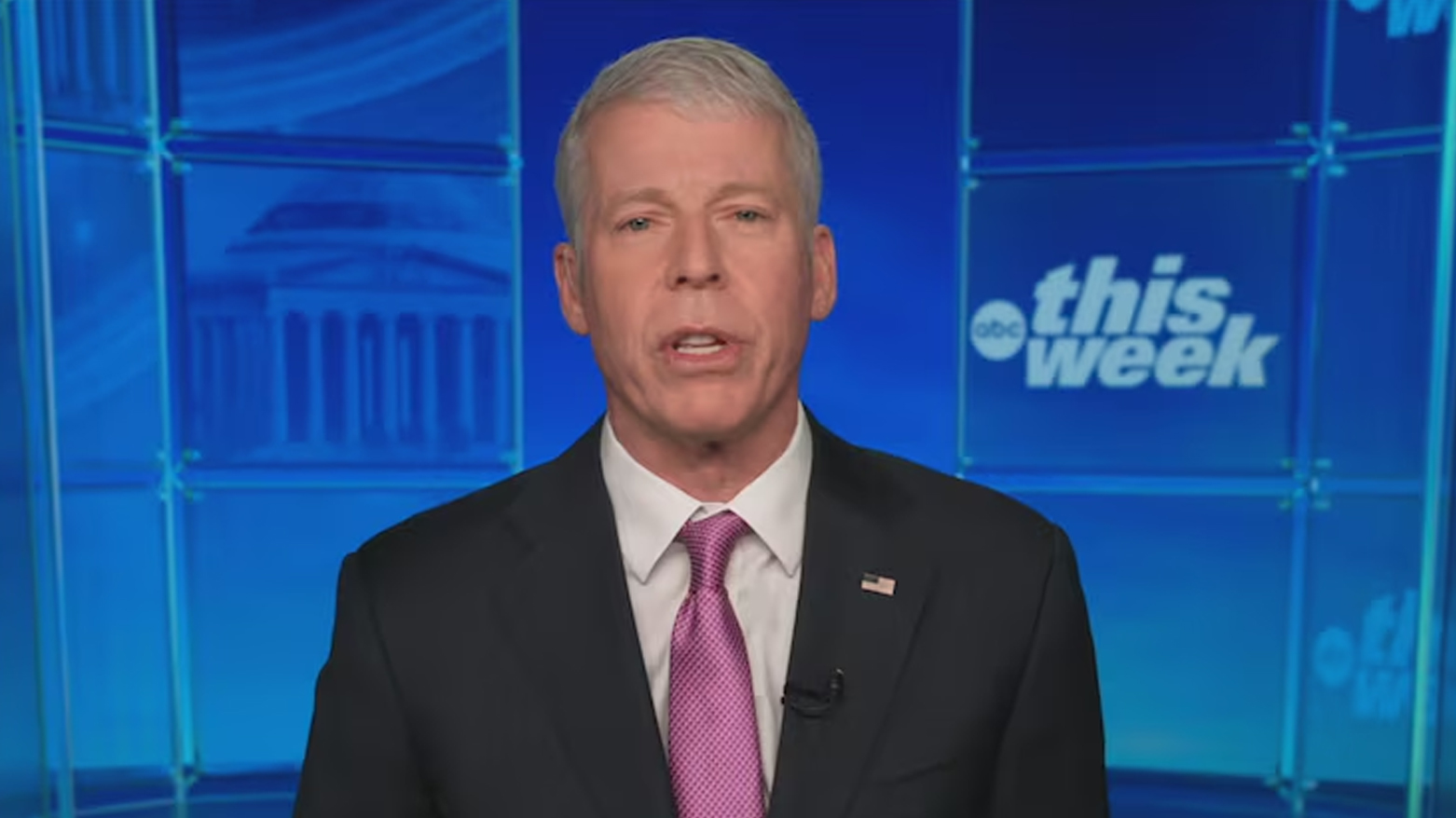
On Sunday, US Energy Secretary Chris Wright made the remarks during an interview with ABC News’ “This Week,” where he addressed the ongoing war and its impact on global energy markets.
“I think that this conflict will certainly come to an end in the next few weeks,” Wright told ABC News co-anchor Martha Raddatz. “Could be sooner than that, but the conflict will come to the end in the next few weeks.”
Wright’s comments come as Americans face rising gasoline prices linked to the ongoing conflict.
Iran maintains significant leverage over global oil supply through its position along the Strait of Hormuz, a major maritime route connecting the Persian Gulf and the Gulf of Oman through which around twenty percent of the world’s oil supply passes.
According to the report, Iran has effectively closed the strait, driving crude oil prices sharply higher and contributing to increased gasoline prices in the United States.
In a separate development on the same day, the French Ministry of Foreign Affairs rejected reports suggesting that France planned to send a warship to the Strait of Hormuz at the request of US President Donald Trump.
On Sunday, the ministry said in a statement published on the social platform X that the reports were incorrect.
“The reports that have been circulated in this regard are not correct. Our naval group remains deployed in the eastern Mediterranean,” the statement said.
The statement came after President Trump requested that several countries, including France, send warships to help protect maritime navigation in the Strait of Hormuz.
The request followed Iran’s closure of the strait in response to attacks carried out by the United States and Israel on Iranian territory.
Separately, Iranian Foreign Minister Abbas Araghchi said he had told his French counterpart that countries should avoid any steps that could further escalate tensions in the Middle East.
Calls for de-escalation have also emerged from religious leaders.
On Sunday, Pope Leo XIV called for an immediate halt to the fighting and violence in the Middle East.
According to the Associated Press, the pope appealed to leaders involved in the conflict to declare a ceasefire and reopen the door to dialogue.
“Violence can never lead to justice, stability, and the peace that people expect,” he said during his Sunday noon prayer.
The report also noted that the pope referred to attacks that targeted a school during the early days of the war, an apparent reference to a missile strike on a primary school in Iran that killed more than 165 people, most of them children.
As the conflict continues to affect global energy markets and regional stability, international calls for restraint and dialogue are increasing alongside predictions that the fighting could soon come to an end.