Iran Moves to Confiscate Assets of Individuals Cooperating with U.S. or Israel, Judiciary Says
Iran’s judiciary confirmed that assets of individuals cooperating with "foreign adversaries" will be confiscated and legal cases accelerated, with all measures conducted under wartime operational protocols.
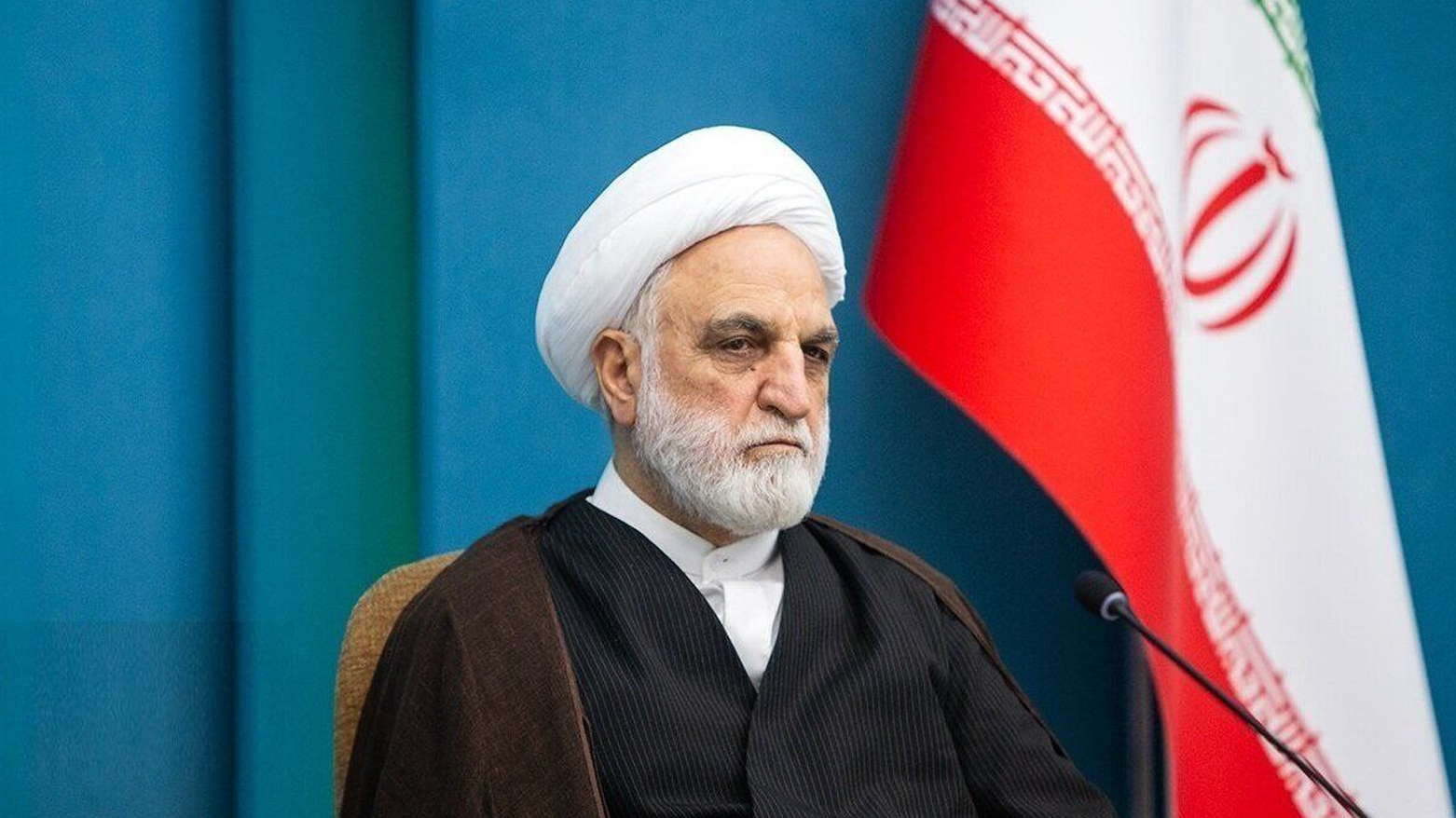
ERBIL (Kurdistan24) - Iran’s judiciary announced Monday that the assets of individuals accused of collaborating with foreign adversaries, both inside and outside the country, will be confiscated in accordance with the law, officials said. Gholam-Hossein Mohseni-Eje'i, Head of Iran's Judiciary, outlined the measures during a meeting with members of the Supreme Council of the Judiciary, emphasizing that wartime conditions will not impede the provision of judicial and legal services to the public.
Eje’i stated that all judicial branches and centers are operating under intensified efforts, and no offices have been closed despite disruptions caused by ongoing conflict.
“If a judicial complex has been shut down due to war-related destruction, the affairs related to that complex are being conducted in another location, or remote work is being carried out through electronic systems,” he said, highlighting the continuity of legal processes despite wartime conditions.
Addressing the urgency of security-related cases, the Chief Justice said that cases involving elements accused of threatening public security must be accelerated, in line with permissions granted under the Code of Criminal Procedure.
“Speed in such matters does not mean negating precision, comprehensiveness, or the implementation of the spirit of justice,” Eje’i said, underscoring that judicial thoroughness remains essential. He added that if investigations or documentation for security-related files are incomplete, judicial officials must provide guidance to law enforcement officers to expedite completion.
The Iranian judiciary also addressed the management of convicts eligible for furlough.
Eje’i stated that legal leniencies and leave must be granted with maximum precision and in consideration of wartime security. He warned that convicts whose release could threaten public safety must not be granted furlough. For convicts ineligible for leave, officials are instructed to keep families informed of the inmate’s status and, where possible, facilitate in-person family visits.
The confiscation of assets was a central focus of the meeting. Eje’i said that Iranian citizens abroad who cooperate with adversary powers will face the seizure of their properties.
He stressed that cases involving individuals who have accumulated wealth from domestic resources and are now aiding aggressor powers must proceed with urgency and transparency.
“Progress in this matter must be accelerated and, while considering legal aspects, appropriate public notifications should be made,” Eje’i said.
Regarding enforcement, the Chief Justice emphasized the immediate and decisive implementation of sentences against those convicted of crimes during wartime or in cooperation with hostile powers.
“The swift and decisive implementation of these legal sentences—while considering all aspects and annexes—is not only the demand of the people but an inescapable necessity for strengthening deterrence,” he said.
Eje’i highlighted Article 1 of the “Law on Increasing the Punishment for Espionage and Cooperation with the Zionist Regime and Hostile Countries Against National Security and Interests,” noting that both asset confiscation and capital punishment are prescribed for intelligence or espionage activities conducted for foreign adversaries, including the government of the United States.
He said that the legal provisions must be clearly communicated and understood, especially in the current state of war.
The judiciary reiterated that all actions, from asset confiscation to the execution of sentences, will be conducted according to established legal protocols while maintaining transparency for the public.
Officials emphasized that wartime conditions will not disrupt the enforcement of these measures and that judicial authorities are working to maintain operational continuity across all centers and complexes.