Iran Executes Two Individuals Convicted of Espionage for Israel Amid Ceasefire
The executions of Mohammad Masoom-shahi and Hamed Validi were announced by Mizan Online, the official news agency of the Iranian judiciary.
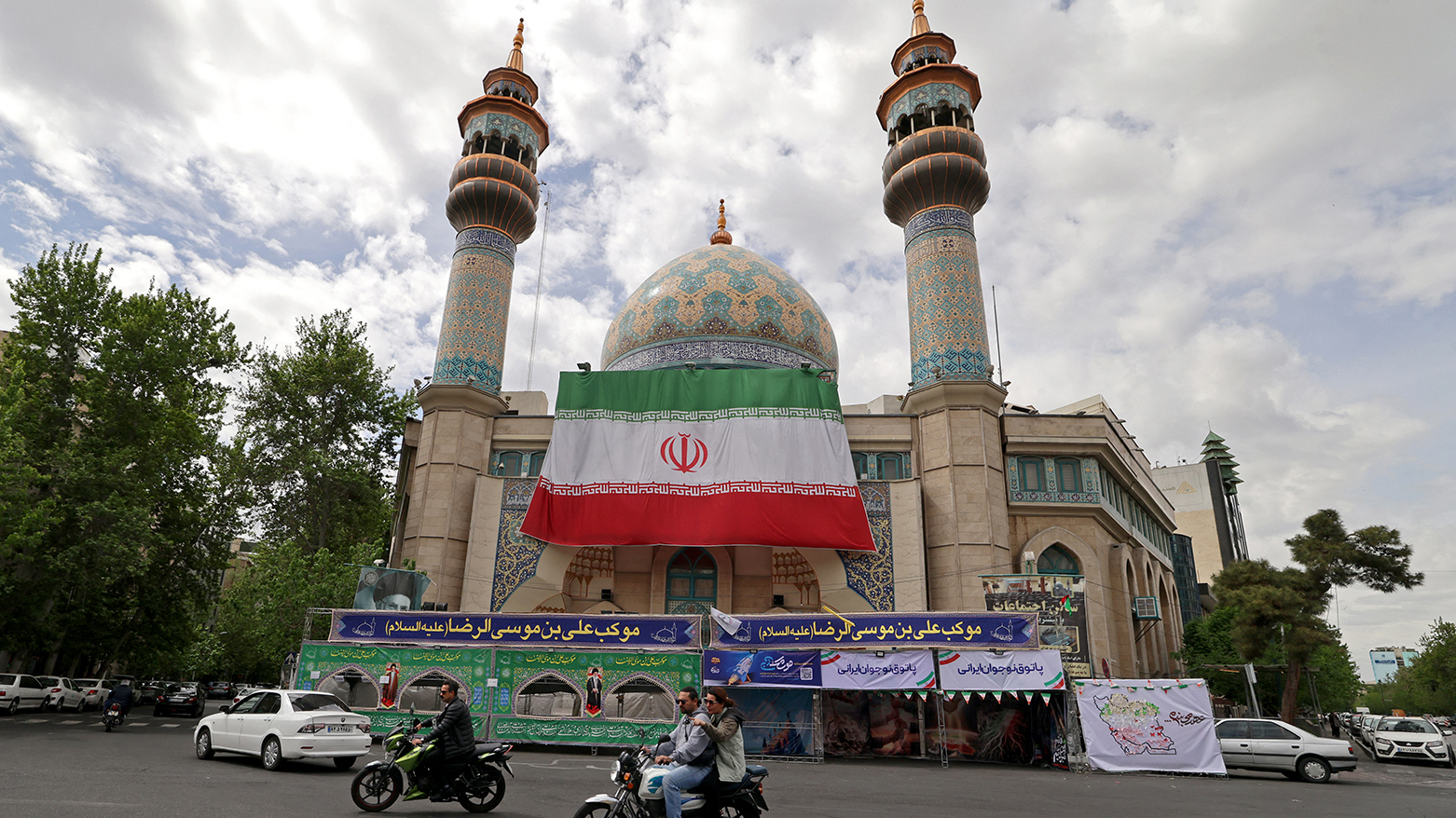
ERBIL (Kurdistan24) - Iranian authorities executed two men at dawn on Monday over alleged ties to Israeli intelligence, according to the country's judiciary, marking a continuation of capital punishments carried out since the February outbreak of regional conflict.
The executions of Mohammad Masoom-shahi and Hamed Validi were announced by Mizan Online, the official news agency of the Iranian judiciary.
The state-affiliated outlet reported that the sentences were carried out early Monday, stating the individuals were “members of a spy network linked to Mossad,” Israel's foreign intelligence service.
The report did not disclose the timeline of the men's arrests or the specific details of their legal proceedings.
These executions carry distinct geopolitical and domestic weight, occurring during a fragile two-week ceasefire established on April 8 between Iran, Israel, and the United States.
By executing individuals accused of foreign espionage during a pause in direct military confrontation, Tehran is signaling its commitment to uncompromising internal security measures.
The development demonstrates the Iranian establishment's intent to project domestic authority and deter perceived foreign infiltration, even as conventional external hostilities are temporarily halted.
The two men were convicted of "moharebeh," a capital offense in Iran's Islamic penal code legally defined as "waging war against God."
According to Mizan, the judiciary also convicted them of "collaboration with hostile groups and the Zionist regime," a standard legal formulation used by the Iranian state to describe entities affiliated with Israel.
The Iranian legal system frequently applies these overlapping charges in cases involving national security, political dissent, and alleged intelligence operations.
Iranian officials have consistently maintained that such executions are a necessary deterrent to dismantle foreign intelligence networks operating within the country's borders.
Conversely, international human rights organizations based outside of Iran routinely criticize the Iranian judicial process, citing a lack of transparency and due process in trials handled by the country's Revolutionary Courts.
According to data compiled by global rights groups, Iran remains the world’s second most prolific executioner, surpassed only by China.
The current internal security environment in Iran has been profoundly shaped by the direct military confrontation that began on Feb. 28, involving Iranian forces, Israel, and the United States.
Since the onset of this war, Iranian authorities have accelerated the implementation of death sentences, particularly for charges related to espionage and state security.
The timing of Monday's executions—twelve days into a precarious ceasefire—suggests an institutional strategy to decouple internal security operations from external diplomatic agreements.
The domestic application of capital punishment operates independently of the ceasefire framework, allowing the state to consolidate control over its internal security apparatus while avoiding conventional military actions that might directly violate the terms of the regional truce.
As the April 8 ceasefire approaches its expiration with no formal extension yet announced, the trajectory of Iran's internal security policies remains deeply intertwined with its regional posture.
The executions indicate that regardless of potential diplomatic resolutions or a resumption of external military operations, Tehran's crackdown on alleged foreign intelligence networks will likely proceed without interruption.