Twelve Years Without Flow: Kirkuk-Ceyhan Oil Pipeline Stalled
Kirkuk oil has not passed through the federal Kirkuk-Ceyhan pipeline in 12 years; all exports rely on the operational Kurdistan Region pipeline.
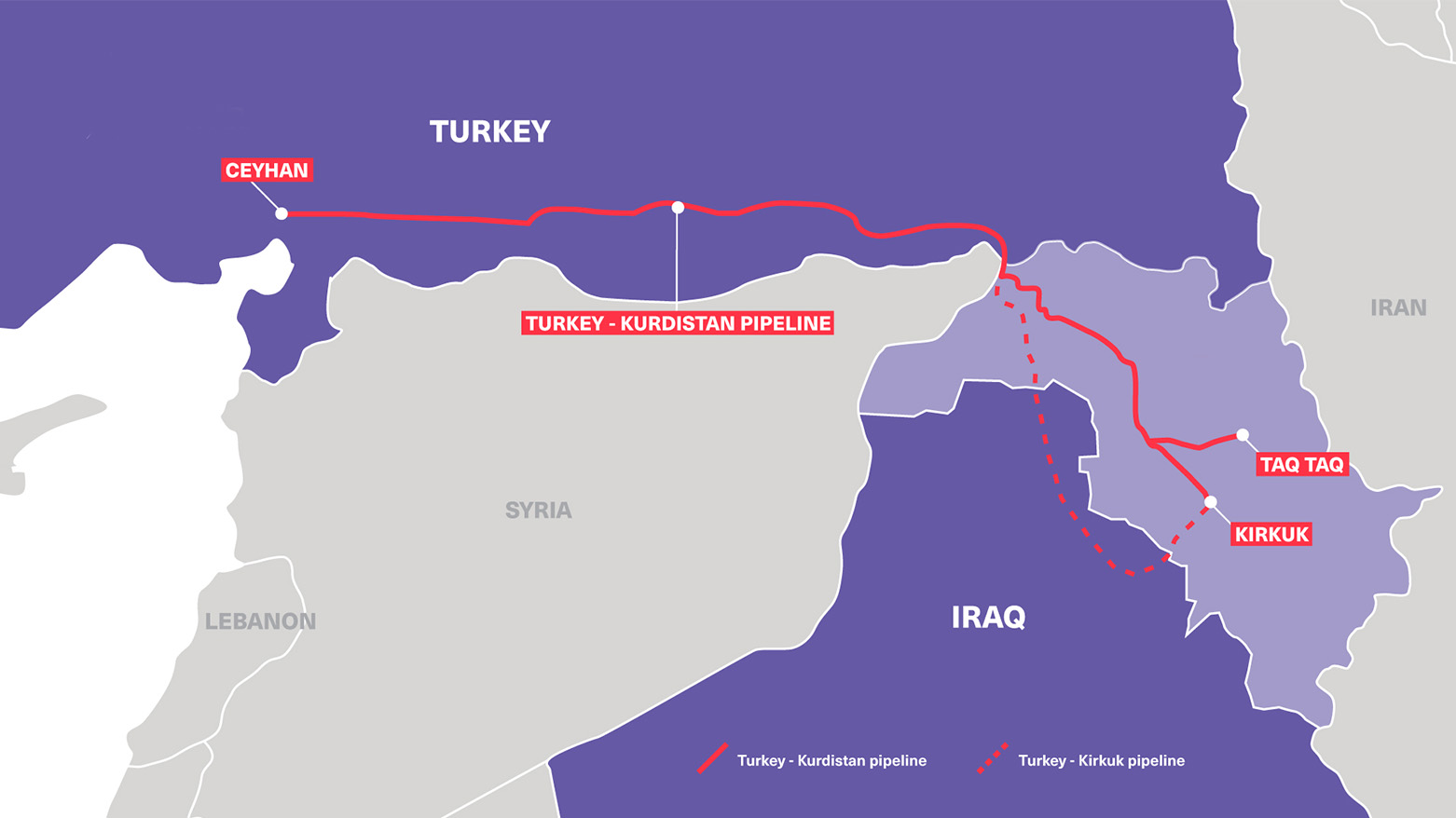
ERBIL (Kurdistan24) - The historic Kirkuk-Ceyhan oil pipeline has not transported any crude oil for nearly 12 years, Iraqi officials and regional sources confirmed, highlighting that all current exports from the Kirkuk oil fields have been routed through the Kurdistan Region’s pipeline system since 2015.
The original federal pipeline, which directly links Kirkuk oil to the international export line at Fishkhabour, has remained inactive since it was heavily damaged by terrorist attacks in 2014.
Sources noted that sections of the pipeline traverse areas formerly under the control of the ISIS, further complicating any restoration efforts. In addition to extensive physical damage, the pipeline suffers from age-related corrosion and ongoing security risks, which have prevented repairs or reactivation.
Officials emphasized that despite periodic references to the Kirkuk-Ceyhan line in media and governmental statements, the line has functioned in name only and has not carried crude to international markets in over a decade.
Following changes in control of the Kirkuk oil fields in 2015, authorities in the Kurdistan Region integrated these fields into their own oil infrastructure.
Since then, Kirkuk oil has been transported through the Kurdistan pipeline to the Ceyhan port in Türkiye without disruption. Sources explained that this pipeline remains the only viable route for Kirkuk crude to reach export terminals and international buyers, and exports continued along this route until recent suspensions due to geopolitical and operational circumstances.
Officials clarified that the existence of two separate pipelines—one inactive federal line and one operational Kurdish line—has led to confusion among media outlets and some Iraqi authorities.
The distinction is critical, as the inactive line has not contributed to oil exports for more than a decade, while the Kurdistan pipeline has reliably connected the Kirkuk fields to the Mediterranean coast.
Industry and regional sources highlighted that security, technical, and logistical constraints make reopening the federal Kirkuk-Ceyhan pipeline a long-term challenge.
The line would require extensive repairs and security guarantees before it could resume operations, and no immediate timeline for restoration has been provided. The 12-year dormancy underscores the reliance of Kirkuk oil exports on the Kurdistan pipeline and the broader infrastructure managed by the Kurdistan Regional Government.
The Kirkuk oil fields themselves continue to produce crude, with export operations coordinated through Kurdish authorities and Turkish ports.
Analysts and officials note that maintaining the integrity of the Kurdistan pipeline is essential to sustaining revenue from Kirkuk crude, which represents a significant portion of Iraq’s oil output. Technical teams reportedly conduct regular inspections and maintenance to ensure the pipeline remains operational, while regional authorities monitor security conditions along the route.
In public statements, Iraqi and Kurdish officials emphasized that all references to Kirkuk-Ceyhan pipeline exports in recent years pertain to the Kurdistan pipeline route, not the inactive federal infrastructure.
Clarifying this distinction is viewed as necessary to accurately communicate Iraq’s oil logistics, avoid misinterpretation by international markets, and provide transparency in reporting to investors and trading partners.
In summary, the federal Kirkuk-Ceyhan oil pipeline has been defunct for 12 years, rendering it nonoperational for crude exports.
The Kurdistan Region pipeline remains the sole functional route for transporting Kirkuk oil to Ceyhan port, ensuring continued access to global markets despite the federal line’s long-term inactivity.
Kurdistan24 Economic Analyst and News Writer contributed to this report.