Iraqi Ministry Praises Kurdistan's 'Runaki' Electricity Project as 'Pioneering and Rare'
Iraq lost 3,200 MW of power after Iranian gas imports stopped, with officials warning of larger summer deficits while praising the Kurdistan Region’s Runaki project.
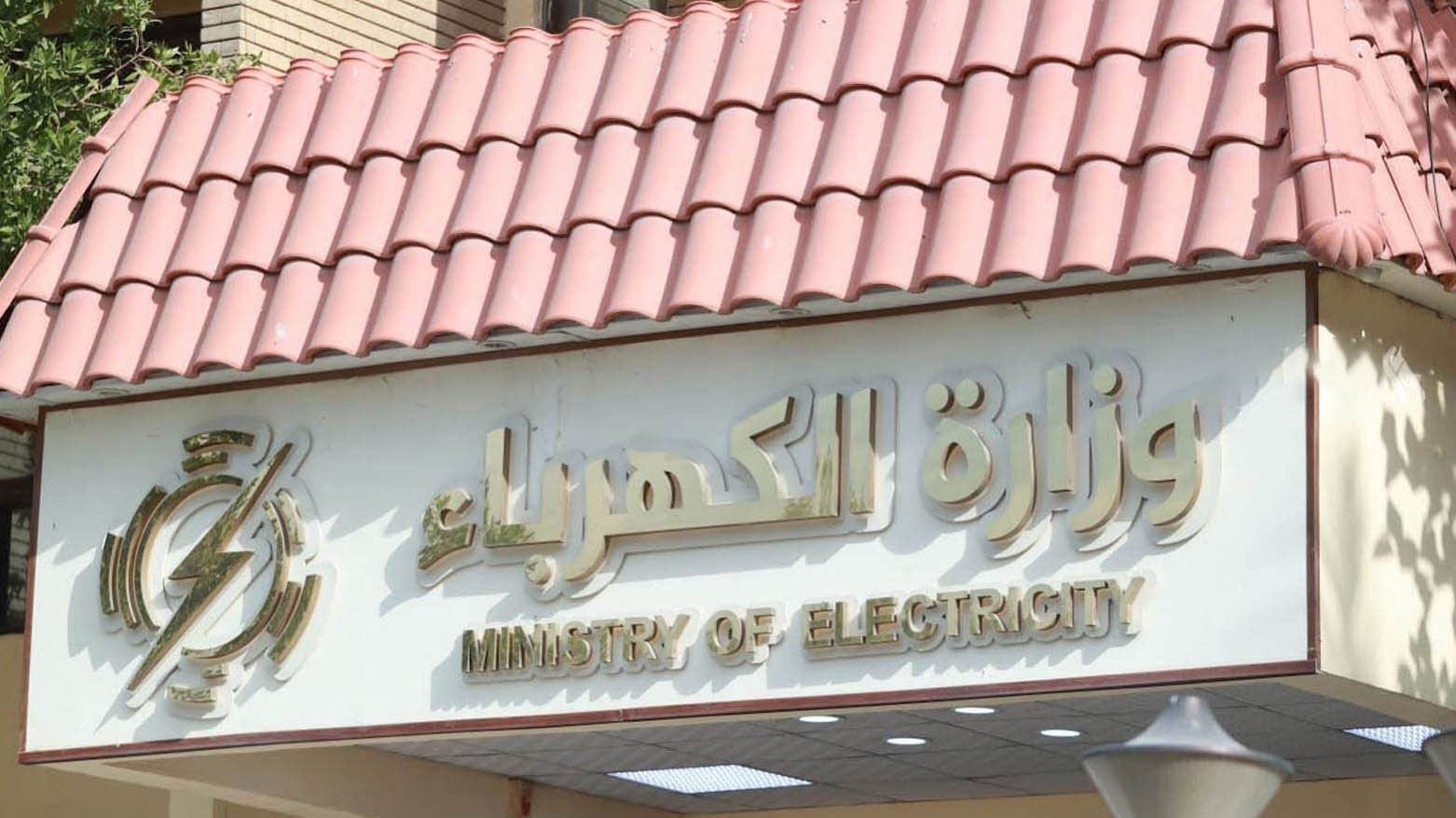
ERBIL (Kurdistan24) - A sharp drop in Iraq’s electricity supply has exposed major gaps in the national grid, with the Ministry of Electricity confirming a loss of thousands of megawatts following the suspension of Iranian gas imports, while highlighting the Kurdistan Region’s “Runaki” project as a rare and leading model.
On Wednesday, Ahmed Mousa, spokesperson for Iraq’s Ministry of Electricity, told Kurdistan24 that Iranian gas exports to Iraq’s power generation stations have been completely halted due to ongoing regional conflict and targeting of energy infrastructure.
Mousa revealed that Iraq had previously imported 18 million cubic meters of gas per day from Iran. With the suspension of these supplies, the country has lost approximately 3,200 megawatts of electricity, directly reducing the number of hours of power available to citizens.
He added that current electricity production stands at 14,000 megawatts. While demand pressure remains relatively low during the current moderate season, he warned that risks will significantly increase during the summer.
Mousa stated: “During the summer, power stations require 50 million cubic meters of gas. If Iranian gas is not secured, the deficit could reach between 6,000 and 7,000 megawatts, which will have a severe impact on the electricity situation.”
He also highlighted ongoing coordination with the Kurdistan Region, noting that efforts are underway to purchase liquefied gas. “We have a good opportunity to import LNG from the Kurdistan Region, and continuous coordination is ongoing with the Ministry of Electricity in the Region,” he said.
Praising the Kurdistan Region’s “Runaki” project, Mousa described it as “a very pioneering, successful, and rare project” that has managed to reduce electricity waste. He added that an official delegation from the ministry has visited the Region and confirmed there are no obstacles to replicating this experience in other Iraqi provinces.
The spokesperson further indicated that the federal government has issued directives to develop a joint mechanism to benefit from gas fields and electricity interconnection projects within the Kurdistan Region, aiming to strengthen Iraq’s national grid capacity.
The ministry reiterated that the suspension of Iranian gas exports, driven by escalating regional security developments, has had a direct impact on electricity supply hours across the country.
As Iraq faces mounting energy challenges, coordination with the Kurdistan Region and scaling successful local models may prove critical to stabilizing the national grid.