Iraq's National Security Adviser Warns Those Funding Sectarian Division Will Face 'Harshest Penalties' Under Iraqi Law
Iraq’s National Security Adviser warned that those funding sectarian division will face harsh penalties, stressing protection of national unity and security.
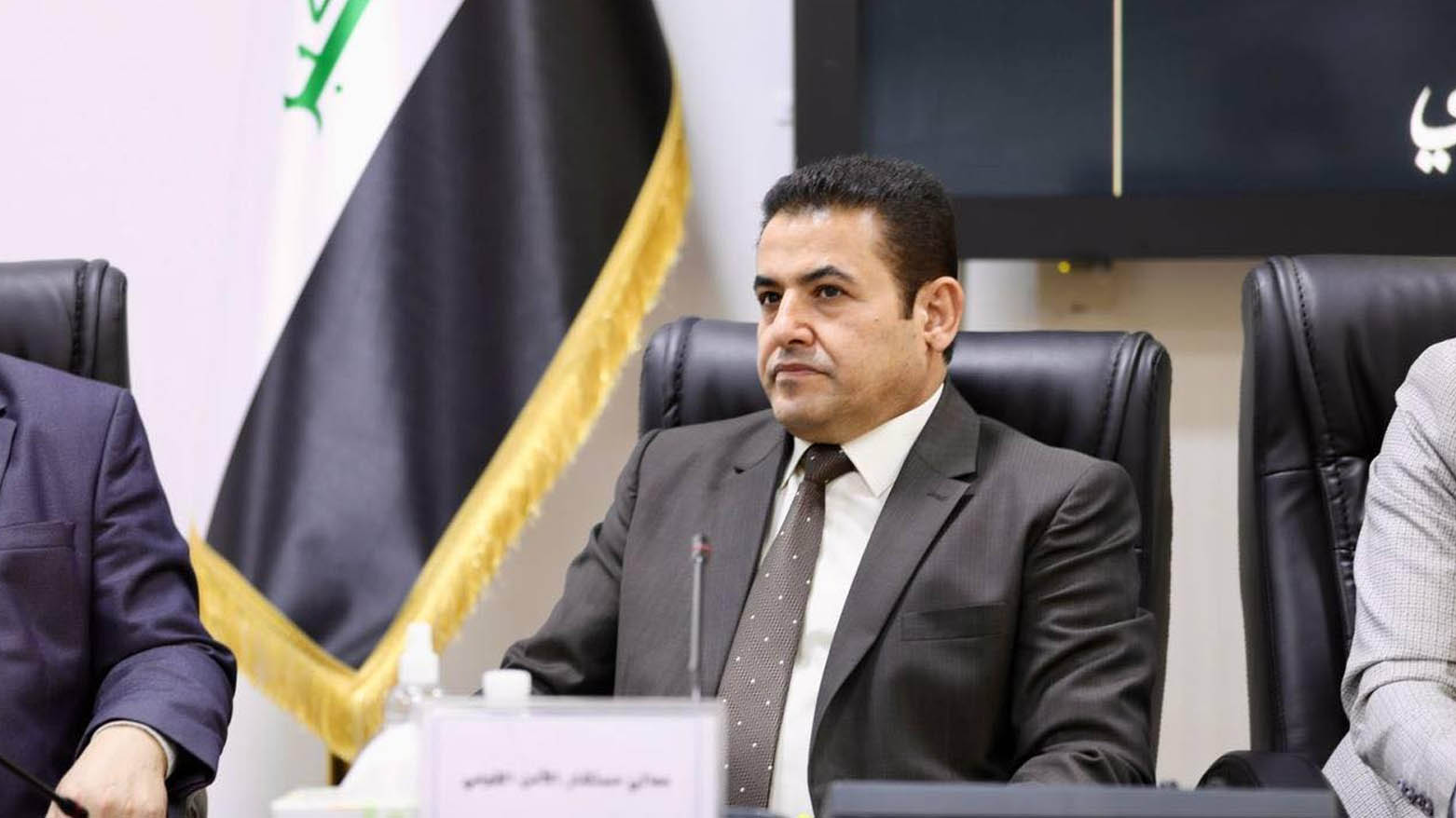
ERBIL (Kurdistan24) - Iraq’s National Security Adviser Qassem al-Araji issued a sharp warning against actors fueling internal division, declaring that those financing sectarian strife will face the harshest legal consequences.
On Friday, al-Araji stated on the social media platform X that authorities are closely monitoring parties who fund and incite unrest among Iraq’s communities.
“We address those who spend money and encourage the spread of discord and division among Iraqis. All forms of funding, incitement, and promotion of strife must stop immediately,” al-Araji said.
He stressed that such actions represent “a clear and dangerous violation of Iraq’s unity and national security.”
Al-Araji reaffirmed that legal measures will be pursued against anyone proven to be involved in these activities, adding that those responsible will face the harshest penalties under Iraqi law.
In a direct warning, he added: “Warn your followers, because Iraq is not a playground for your dirty games.”
Lebanese Prime Minister Nawaf Salam recently stated that decisions of war and peace must remain solely in the hands of the Lebanese state, emphasizing the need to restore sovereign decision-making.
He warned that Lebanon cannot function as a state if it is divided between internal governance and external conflict arenas.
Salam also criticized narratives that silence public debate or label dissent as betrayal, stressing that it is the responsibility of the state to pursue international efforts to halt conflict and support displaced populations.
As regional tensions continue to rise, Baghdad’s message signals a firm stance against internal destabilization and a renewed focus on safeguarding national unity.