Houthi Group Warns of Regional Escalation Amid US-Israel Strikes on Iran
Statement warns of broader conflict and highlights Houthis as Iran’s last strategic card, with potential to disrupt the Bab al-Mandab Strait, a vital global shipping chokepoint
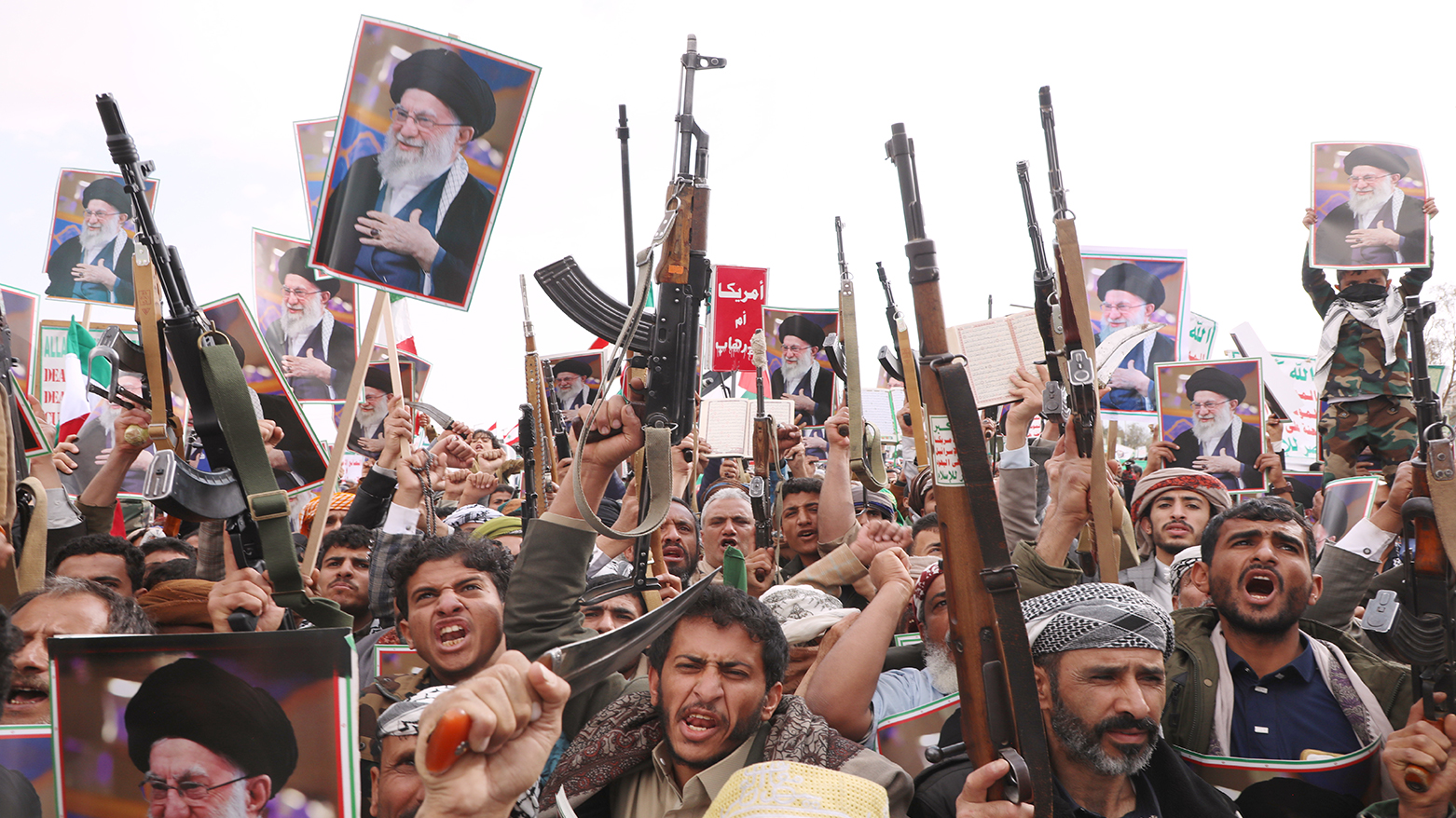
ERBIL (Kurdistan24) — The Yemen-based Houthis issued a warning overnight, stating it would “not stand idly by” regarding recent regional developments and cautioning that any attempt to expand the conflict would negatively affect global supply chains, energy prices, and the broader world economy.
The statement, issued by the Houthi-controlled Ministry of Foreign Affairs and published by the group’s version of the state news agency Saba News Agency, comes amid ongoing Israel and United States strikes on Iran that began on February 28.
According to the statement, the Houthis criticized the U.S., claiming that “by its aggression against the sons of the nation, it has put itself in a major strategic dilemma and is attempting to involve others in the quagmire it has entered.”
The group also warned that any effort to bring foreign powers into the region would result in those forces being the “first losers” in the unfolding conflict.
The Houthis emphasized that any expansion of hostilities would have repercussions across the region, affecting energy markets, supply chains, and the global economy.
The statement further called on “all free people of the nation” to unite, coordinate efforts, and recognize the shared responsibility for defending the region.
“The battle is the battle of the nation,” it read.
Earlier, Houthi leader Abdul Malik al-Houthi asserted that the movement is “militarily ready for any developments in the region” and described the escalation as part of the enemies’ strategy, referring specifically to Israel’s actions.
Since late February, Israel and the United States have conducted operations against Iranian military and strategic targets in response to Tehran’s support for proxy groups and resistance to keep it's missile programs.
These efforts have targeted key Iranian officials and infrastructure allegedly involved in hostile activities. In retaliation, Iran has launched missile and drone attacks toward Israel and U.S. interests in the region, causing casualties and damage, actions widely condemned by the international community for threatening regional stability.
The Houthi warning underscores the risk of wider regional destabilization and the potential global economic consequences if the conflict expands further.
Analysts suggest that Yemen’s Houthi movement represents the last strategic card in Iran’s regional arsenal that has not yet been fully deployed.
Observers believe Tehran has deliberately restrained the Houthis’ full operational potential for tactical purposes, preserving them as a lever to exert maximum pressure if needed.
One key scenario under discussion is the potential use of Houthi forces to disrupt maritime traffic through the Bab al-Mandab Strait, a critical 20-mile-wide chokepoint linking the Red Sea to the Gulf of Aden and the Indian Ocean.
This narrow passage, situated between Yemen on the Arabian Peninsula and Djibouti/Eritrea in the Horn of Africa, is vital for global trade, serving as a major route for oil shipments and cargo destined for the Suez Canal.
Any significant disruption in this corridor would have immediate repercussions for international shipping and energy markets, highlighting the strategic weight of the Houthis within Iran’s broader regional calculus.