Kurdish Oral Tradition Lives Through Daye Altun's Poetry and Memories
Daye Altun, an elderly Kurdish woman from Hawraman who later settled in Biyara, is preserving traditions of rural and spiritual life through oral history, poetry, and memories of communal labor tied to the region's historic Sufi Khanqahs.
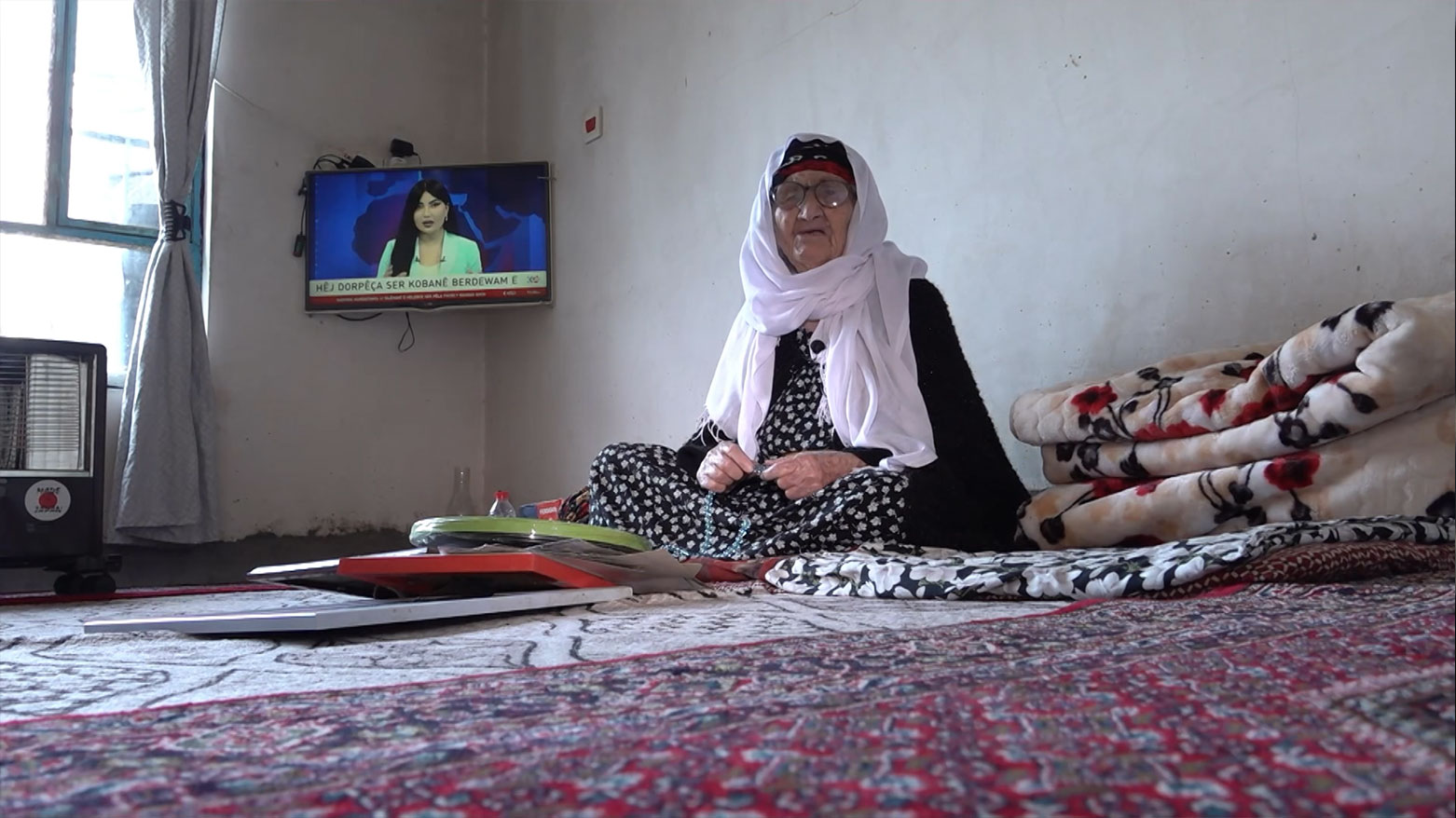
ERBIL (Kurdistan24) - Daye Altun, an elder woman recognized for her devotion to preserving Kurdish cultural and spiritual traditions, offers a living connection to the historical way of life in Hawraman and Biyara.
According to a feature by Kurdistan24 on Friday, her life story highlights the enduring role of women in maintaining rural heritage and communal practices across shifting generations in Kurdish society.
Reporter Dalia Kamal highlighted that traditional and religious centers, particularly the Sufi lodges known as Khanqahs, historically relied on the labor and hospitality of local families.
Women played an instrumental role in sustaining these social traditions.
Daye Altun's personal recollections provide a documentary perspective on a disappearing rural lifestyle, emphasizing how communal duties, interfaith hospitality, and daily physical labor formed the backbone of village life in the region.
From Hawraman to Biyara
The Kurdistan24 broadcast explained that Daye Altun, whose title translates to "Mother" in Kurdish, originated from a village in Hawraman Takht, located in Eastern Kurdistan.
The report noted that marriage prompted her relocation to the town of Biyara when she was 18 years old.
Despite being a decade older than her husband, the narrative emphasized that their partnership became the foundation of her deep integration into the local community.
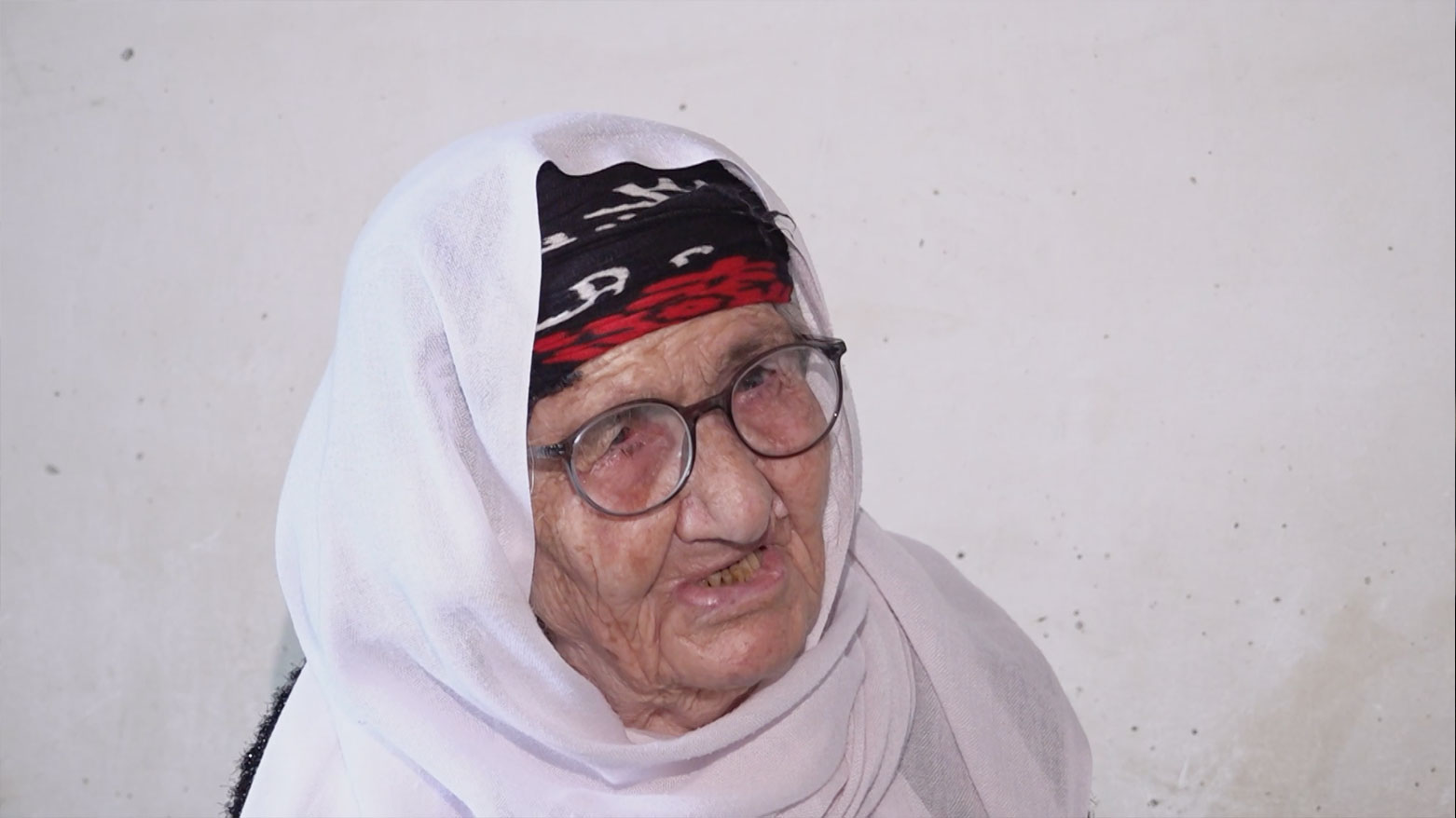
Life in the Villages
Adjusting to her new environment involved embracing the rigorous demands of domestic and agricultural labor.
Daye Altun recalled that cultural expectations of the era required young brides to prioritize the respect and satisfaction of their mothers-in-law.
She told Kurdistan24 about her daily responsibilities, which included churning milk by hand and applying mud plaster to traditional housing walls.
The report noted that fetching heavy containers of water was a constant necessity, as villages lacked modern plumbing infrastructure at the time.
Serving the Khanqah
Beyond domestic duties, her life was deeply intertwined with the spiritual community.
According to the report, Daye Altun and her husband dedicated themselves to serving the Khanqah of Biyara under the leadership of Sheikh Othman.
The narrative described how they would spend their days volunteering at the lodge before returning to their own home at night.
Her recollections detailed a bustling atmosphere of collective work, noting that community members shared tasks such as baking bread, churning milk, and harvesting plums and walnuts in the local orchards.
Furthermore, the report stated that the lodge served as a sanctuary for travelers, offering hospitality and provisions to visitors regardless of their national or religious backgrounds.
Poetry and Memory
The preservation of this regional heritage is maintained largely through oral tradition.
During the interview, Daye Altun utilized traditional Kurdish poetry to express the profound emotional memory of the time spent with her late husband.
...My sweet beloved...
Go and see, dark-eyed one
Raised in the depths of my heart, you know
If you only knew how I feel for you
Sparks of fire burn within me...
May your stature be tall,
If only I could see you,
A thousand souls would gladly
Sacrifice themselves for you
The broadcast captured her reciting verses that communicated deep affection and enduring loss, a common method in Kurdish culture for conveying historical and personal narratives.
According to Kurdistan24 reporter Dalia Kamal's report, these recitations serve as more than personal expressions; they are mechanisms for safeguarding the customs, labor, and sentiments of a bygone era.
Daye Altun's memories preserve a portrait of communal life, hospitality, and cultural continuity in the Kurdish villages of Hawraman and Biyara.
Her memories highlight decades of cultural continuity, women's labor, and hospitality in Biyara.