Trump Says Xi Responded ‘Very Positively’ to Potential U.S.-China-Russia Nuclear Deal
U.S. president says Washington and Beijing also agreed on the need to reopen the Strait of Hormuz amid global energy concerns
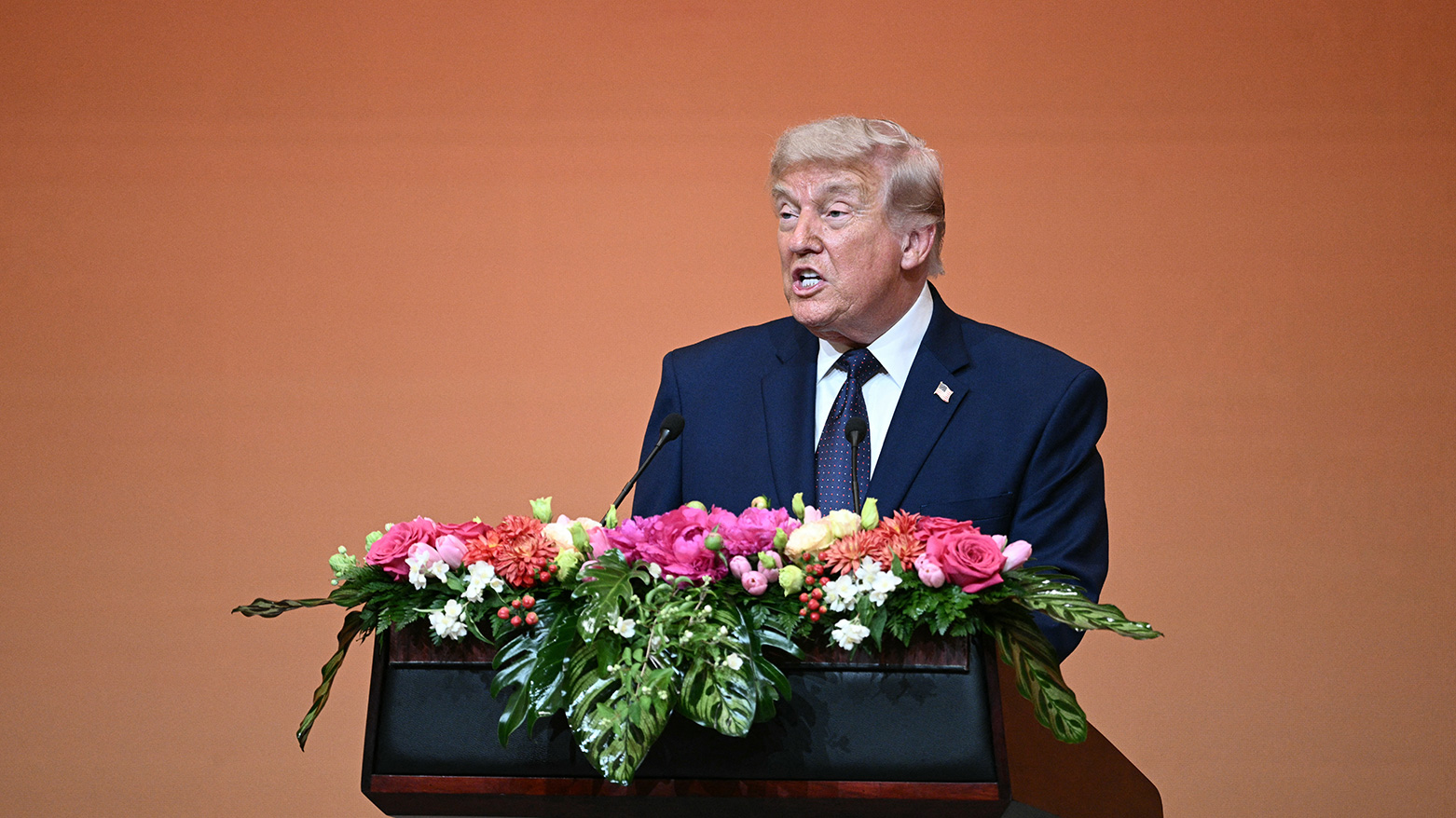
ERBIL (Kurdistan 24) - U.S. President Donald Trump said Chinese President Xi Jinping responded “very positively” to discussions about a possible new nuclear arms agreement involving the United States, China, and Russia.
On Friday, speaking to Journalists aboard Air Force One while returning from Beijing to the United States after his summit with Xi Jinping, Trump said he proposed a three-way nuclear framework aimed at limiting the number of nuclear warheads held by the world’s largest military powers.
“I got a very positive response,” Trump said. “This is the beginning.”
Trump said he wants Washington, Moscow, and Beijing to eventually sign a broader nuclear agreement that would place limits on strategic arsenals.
On the other side, China and the United States agreed to continue implementing "all" agreements reached previously and to establish councils for trade and investment, Beijing's top diplomat said in a statement following a two-day summit between Xi Jinping and Donald Trump.
"The delegations of the two countries reached overall positive results, including continuing to implement all consensus reached in previous consultations (and) agreeing to establish a trade council and an investment council," Wang Yi said, according to a statement from the Chinese foreign ministry.
The comments come after the expiration of the New START treaty between the United States and Russia earlier this year, ending the last major nuclear arms limitation agreement between the world’s two largest nuclear powers.
Trump had previously, on October 16, 2020, opposed extending the treaty and instead called for “a new, improved and modernized” agreement that would also include China.
According to Pentagon estimates, between 2021 and 2025:
- China currently possesses more than 600 nuclear warheads
- Beijing’s arsenal could exceed 1,000 warheads by 2030
- The United States and Russia each possess more than 5,000 nuclear warheads
China has historically shown limited interest in joining formal trilateral nuclear limitation agreements because its arsenal remains significantly smaller than those of Washington and Moscow.
Trump also revealed that he and Xi discussed the ongoing Iran conflict and the strategic Strait of Hormuz, which has faced severe disruption since the start of the U.S.-Israeli war with Iran on February 28.
“We feel very similar about how we want it to end,” Trump said regarding Iran. “We don’t want them to have a nuclear weapon.”
According to White House officials, on Wednesday, both leaders agreed that the Strait of Hormuz should be reopened to stabilize global energy markets and support international trade flows.
Before the war, approximately 20% of global oil and liquefied natural gas exports passed through the Strait.
The conflict and Iran’s restrictions on maritime traffic have contributed to:
- Rising global fuel prices
- Shipping disruptions
- Increased insurance costs
- Growing fears of a global economic slowdown
White House officials also said Xi opposed proposals involving tolls or additional restrictions on commercial vessels crossing Hormuz.
According to the officials on Wednesday, China additionally expressed interest in potentially increasing purchases of U.S. oil in the future as part of efforts to reduce long-term dependence on Gulf energy supplies.
The discussions come as global attention increasingly focuses on China’s role in:
- Iran diplomacy
- Energy security
- Global trade stability
- Future nuclear negotiations
Trump had earlier downplayed expectations surrounding his talks with Xi regarding the Iran conflict, but the latest comments suggest the issue became a major topic during the Beijing meetings.
Chinese President Xi Jinping is expected to pay a state visit to the United States in autumn, Beijing's top diplomat said according to state media, hours after Donald Trump departed China following a two-day summit.
"Chinese President Xi Jinping will pay a state visit to the United States in autumn this year at the invitation of US President Donald Trump, Chinese top diplomat Wang Yi said on Friday," Chinese state news agency Xinhua reported.