Oil Prices Surge as Trump Issues Iran Ultimatum, Strait of Hormuz Crisis Deepens
Shortly after markets opened at 2200 GMT, West Texas Intermediate (WTI) for May delivery rose 1.8 percent to just over $100 per barrel before easing slightly.
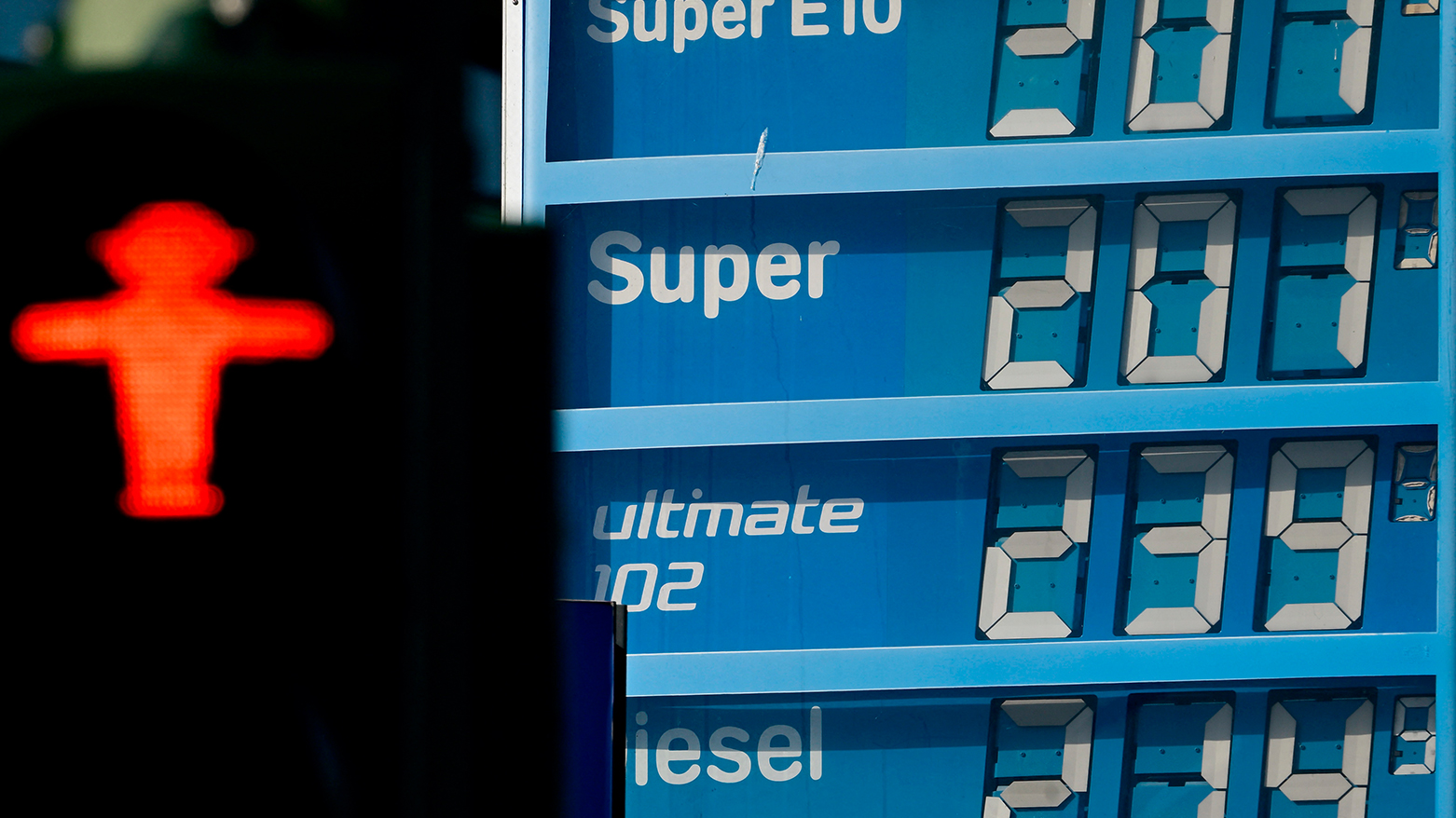
ERBIL (Kurdistan24) – Oil prices climbed sharply early Monday amid escalating tensions in the Middle East, after US President Donald Trump issued a 48-hour ultimatum to Iran to reopen the strategic Strait of Hormuz or face sweeping attacks on its energy infrastructure.
Shortly after markets opened at 2200 GMT, West Texas Intermediate (WTI) for May delivery rose 1.8 percent to just over $100 per barrel before easing slightly. Meanwhile, Brent crude for May delivery climbed at a similar pace, reaching $113.44 per barrel before retreating to around $111 within 45 minutes of trading.
The surge marks a dramatic increase from February 27 — the day before U.S.-Israeli strikes on Iran began — when WTI and Brent stood at $67.02 and $72.48 per barrel, respectively.
The spike comes as the conflict enters its fourth week, with Washington and Tehran exchanging escalating threats. Trump has demanded that Iran fully reopen the Strait of Hormuz, a critical chokepoint through which roughly 20 percent of global oil and gas supplies pass. The disruption has nearly halted petroleum shipments through the narrow waterway, sending shockwaves through global energy markets.
In a post late Saturday on Truth Social, Trump warned that U.S. forces would “hit and obliterate” Iranian power plants — “starting with the biggest one first” — if Tehran failed to comply within the 48-hour deadline, which expires late Monday.
Iran responded with its own warning. According to the Fars News Agency, the Iranian army said it would target energy and desalination facilities belonging to the United States and its regional allies.
Meanwhile, Israel signaled that its military campaign would intensify. Eyal Zamir, Israel’s chief of staff, said Sunday that operations against Iran-backed Hezbollah in Lebanon would expand and could last several more weeks.
“We are now preparing to advance targeted ground operations and strikes according to an organized plan,” Zamir said.
In retaliation for U.S. and Israeli actions, Iran has launched missile and drone attacks targeting infrastructure — particularly energy facilities — in countries aligned with Washington, as well as vessels in the Gulf. Tehran has also warned ships against entering the Strait of Hormuz, raising fears of further disruptions to global oil flows.
The escalating confrontation has heightened concerns over energy security and the risk of a broader regional conflict, with markets closely watching developments in the coming hours.