Russia Delivering Drones, Food, and Medicine to Iran in Phased Effort to Sustain Tehran's War Position
Reports say Russia is sending drones, food, and medicine to Iran in phased deliveries to support its war effort, though Moscow denies parts of the claims.
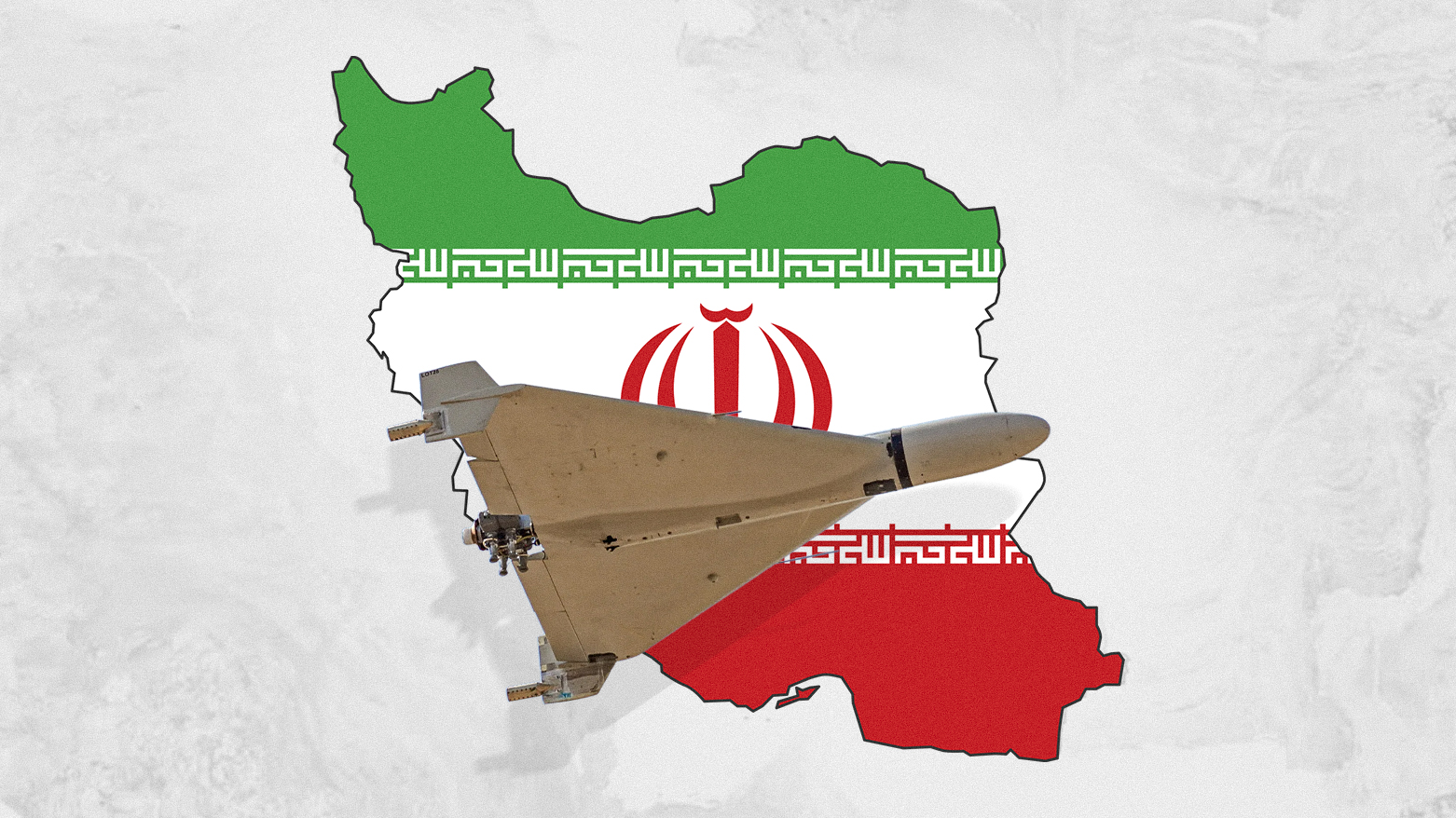
ERBIL (Kurdistan24) - Russia has begun sending drones, food, and medicine to Iran in a phased effort aimed at sustaining Tehran’s position in the ongoing conflict, according to multiple reports citing Western intelligence sources.
According to the Financial Times, citing several Western intelligence sources, Russia has been gradually delivering drones, along with food and medical supplies, to Iran since early March.
The report stated that senior Iranian and Russian officials began secret discussions on drone deliveries days after the United States and Israel launched attacks on Tehran. The shipments were then processed in stages and are expected to be completed by the end of the month.
The deliveries are described as part of Moscow’s efforts to support Iran’s ability to continue fighting, with sources indicating that Russia has also provided assistance including satellite imagery, targeting data, and intelligence support.
The report noted that shipments of weaponry such as drones would represent the first indication that Moscow is willing to provide lethal support to Iran since the start of the war.
In response to the reports, Kremlin spokesperson Dmitry Peskov said: “There are a lot of fakes going around right now. One thing is true — we are continuing our dialogue with the Iranian leadership.”
A senior Western official said the support is intended not only to reinforce Iran’s military capabilities but also to help maintain broader political stability.
Publicly, Moscow has emphasized humanitarian assistance, stating that more than 13 tonnes of medicine have been sent to Iran through Azerbaijan, with plans to continue such shipments.
The report added that Iran has launched more than 3,000 one-way attack drones since the outbreak of fighting, making them a central component of its military strategy.
It also noted that Russia has been producing similar drones based on Iranian designs since 2023, with modifications to improve their ability to evade air defenses and carry heavier payloads.
Antonio Giustozzi, a senior research fellow at the Royal United Services Institute, said: “They don’t need more drones. They need better drones. They are after the more advanced capabilities.”
He added that discussions on drone deliveries began immediately after US and Israeli strikes on Iran.
One Western security official said the exact type of drones being delivered has not been confirmed, though models such as the Geran-2, based on the Iranian Shahed-136, could be included.
According to sources, Israel recently targeted a key military transfer route between Russia and Iran on the Caspian Sea.
Nicole Grajewski, a professor at Sciences Po university in Paris, said Iran may seek to reverse engineer the drones to improve its own systems.
She said: “The Russians dramatically improved the Shaheds, including modifications to the engines, navigation and anti-jamming capabilities. So these systems are already more advanced than the ones Iran was producing domestically.”
The report also noted that Iran has requested more advanced air defense systems from Russia, including the S-400, though Moscow has declined such requests due to concerns over escalation.
The reported deliveries highlight deepening cooperation between Moscow and Tehran, as the conflict continues to drive both military and strategic alignment.