Cancer Risks, Toxic Gases, and a $3 Billion Price Tag: Iraq Confronts Its Plastic Waste Crisis
Iraq's Ministry of Environment says the country produces nearly 16,000 tons of plastic waste every day, driving cancer risks, toxic pollution, and an annual import bill of nearly $3 billion
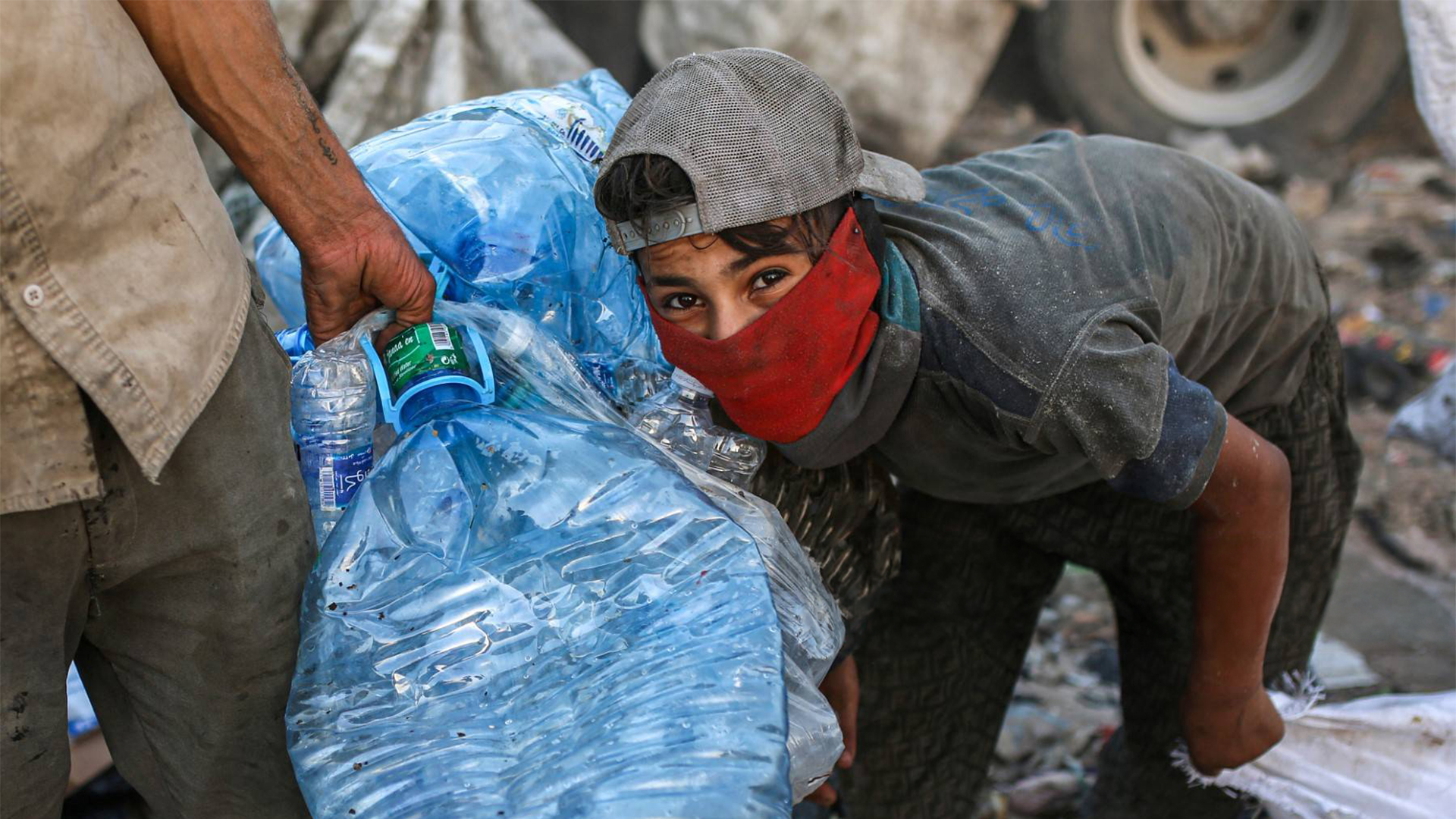
ERBIL (Kurdistan24) - Every day, across Iraq's cities and towns, approximately 40 million people discard around one kilogram of waste each. Some 400 grams of that is plastic. Multiplied across the population, the result is staggering: nearly 16,000 tons of plastic waste generated every single day, a figure Iraq's Ministry of Environment is now placing at the center of a national emergency.
The ministry's spokesperson, Luay al-Mukhtar, welcomed a recent Council of Ministers decision to reduce reliance on single-use plastic bags in markets, bakeries, and butcher shops.
"The decision is an important one," he said, "and will have an impact across three dimensions: health, environmental, and economic."
The health dimension, Mukhtar warned, is severe. Plastic bags are polymer-based materials that do not decompose easily.
They contain microplastics and chemical dyes that, when exposed to heat, leach into food, contributing to cancer and damage to the nervous system.
The ministry has also called for a broader reduction in the use of plastic water bottles and containers.
On the environmental side, Mukhtar noted that plastic waste does not biodegrade and is most often incinerated, releasing toxic gases and causing widespread damage to biodiversity, fish stocks, and animal populations across the country.
The economic cost
The financial toll is equally sobering. Mukhtar revealed that Iraq spends an enormous sum annually on plastic imports.
According to 2021 figures, the country spent nearly $3 billion importing plastic materials from Türkiye, China, the UAE, Kuwait, Saudi Arabia, and Jordan.
Managing the daily accumulation of 16,000 tons of plastic waste also requires a vast workforce, heavy transport infrastructure, and significant fuel consumption — costs that fall squarely on the government's shoulders.
The Council of Ministers' decision to limit single-use plastics in commercial settings represents a first step, but the scale of the problem underscores how much further Iraq must go.
With nearly $3 billion flowing out of the country annually to feed a habit that is poisoning its soil, waterways, and people, the ministry's message is unambiguous: the plastic crisis is not merely an environmental inconvenience, it is a threat to public health and economic stability alike.