UAE Says It Is Intercepting Iranian Drones and Missile
The UAE said its air defenses were intercepting Iranian drones and a missile, confirming ongoing cross-border threats amid the wider regional conflict.
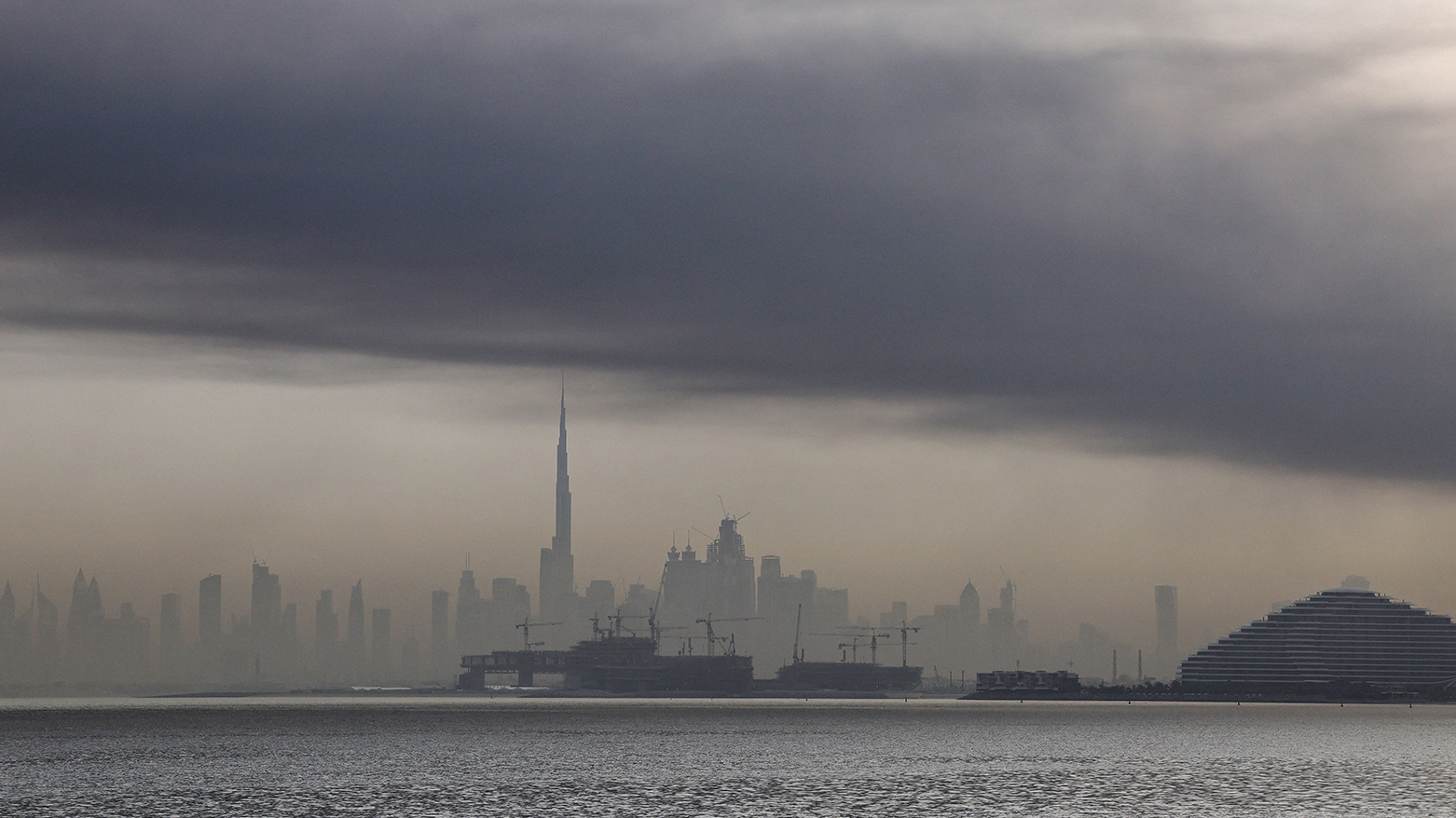
ERBIL (Kurdistan24) - The United Arab Emirates said Thursday its air defense systems were actively intercepting drones and a missile launched from Iran, according to a statement by the country’s Ministry of Defense, as regional tensions continue to intensify.
“UAE air defences are currently responding to incoming missile and drone threats from Iran,” the ministry said in a post on X, adding that “the sounds heard are the result of the Air Defence Systems intercepting missiles and drones.”
The statement did not specify the number of projectiles involved or provide further operational details about the interceptions, but confirmed that defensive systems had been activated in response to what it described as an incoming threat originating from Iran.
The announcement comes amid an ongoing regional conflict involving Iran, the United States, and Israel, with hostilities extending across multiple fronts and affecting several countries in the Middle East.
In remarks delivered hours earlier, U.S. President Donald Trump said his administration had achieved significant military results against Iran, while also indicating that negotiations were ongoing. Speaking at the National Republican Congressional Committee’s annual dinner, Trump stated that Iran “want[s] to make a deal so badly,” while asserting that U.S. military actions had degraded Tehran’s capabilities.
Trump also said that Iranian nuclear progress had been halted through U.S. operations, including strikes on key sites, and reiterated his administration’s position that Iran must be prevented from acquiring nuclear weapons. He further claimed that the United States had carried out “great military triumphs against Iran that can’t be displayed on television,” according to remarks reported by Kurdistan24.
At the same time, Iranian officials have presented a different account of the conflict. Iran’s Foreign Minister Abbas Araghchi said in a televised interview that efforts by the United States and Israel to weaken the country had failed, describing the current phase of the conflict as a “golden point” in Iran’s history. He stated that Iran had maintained internal unity and resisted attempts to divide the country or achieve a rapid military outcome.
Araghchi also addressed regional dynamics, noting that Iran had adopted a policy regarding access to the Strait of Hormuz, allowing passage only to countries it considers friendly, including China, Russia, India, Iraq, and Pakistan. He further criticized regional states for what he described as insufficient opposition to U.S. actions, warning that continued alignment with Washington could carry consequences.
Diplomatic efforts to end the conflict remain uncertain. Iranian state media reported that Tehran had rejected a U.S.-proposed framework for ending hostilities, citing conditions that include a halt to military actions, guarantees against future attacks, and recognition of Iran’s sovereignty over key strategic areas. According to those reports, Iran has outlined specific demands that must be met before any cessation of fighting.
Regional reactions have also intensified. In a joint statement, six Arab countries—including the United Arab Emirates—condemned Iran’s actions and called on Iraq to prevent its territory from being used as a launch point for cross-border attacks. The statement affirmed what it described as the countries’ right to defend themselves against such threats.
The UAE’s announcement of active interceptions reflects the broader expansion of hostilities beyond primary conflict zones, with Gulf states increasingly exposed to potential spillover effects. Officials have not indicated whether the intercepted drones and missile caused any damage or casualties.
The situation remains fluid, with military actions, political statements, and diplomatic efforts unfolding simultaneously across the region. Authorities have continued to issue statements outlining their positions, while defense systems remain on alert in multiple countries.