Israel Reports First Missile Launch from Yemen Since Start of War
Israel’s military confirmed the first missile launch from Yemen since the war began, as regional hostilities continue across multiple fronts.
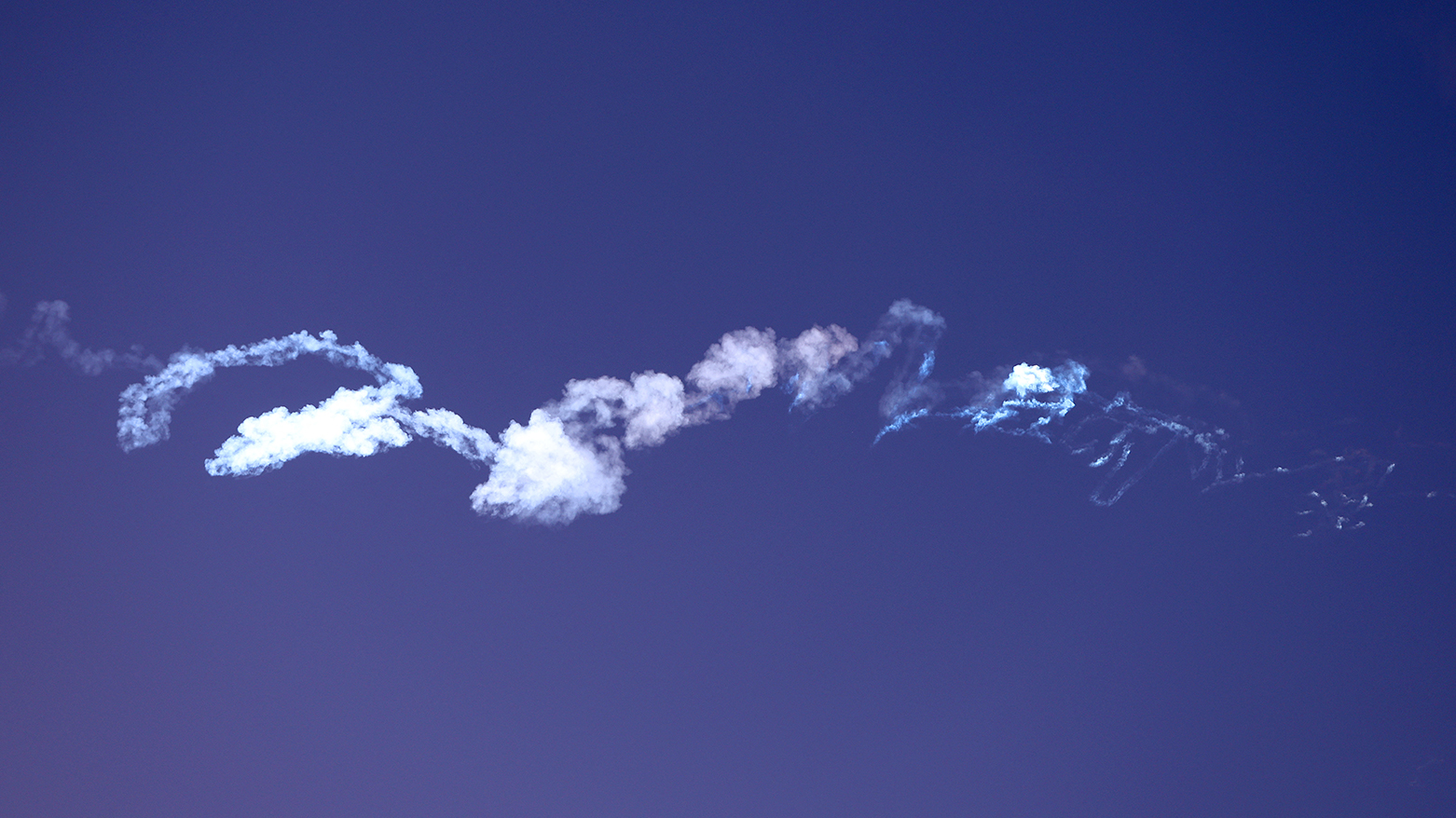
ERBIL (Kurdistan24) - Israel’s military reported a missile launch from Yemen toward its territory on Saturday, marking the first such attack since the outbreak of the current regional conflict on February 28, according to Agence France-Presse (AFP) and Associated Press (AP) reports.
In a statement cited by AFP, the Israeli military said it had “identified the launch of a missile from Yemen toward Israeli territory,” adding that “aerial defence systems are operating to intercept the threat.” The announcement represents the first confirmed instance of a missile fired from Yemen in the ongoing war, which has entered its second month.
The development follows earlier warnings by Iran-aligned Houthi forces in Yemen that they could join the conflict, AFP reported, indicating a potential widening of hostilities beyond the primary theaters of engagement.
According to AP reporting, Israeli officials confirmed the incoming missile early Saturday, describing it as the first time the country has faced direct fire from Yemen during the current war. Air raid sirens were activated in areas including Beer Sheba and near Israel’s main nuclear research center, AP reported, noting that these alerts occurred amid continued missile activity overnight.
The Houthis, a group backed by Iran that has controlled Yemen’s capital, Sanaa, since 2014, did not immediately claim responsibility for the launch, according to AP. The group had previously remained outside the direct scope of the conflict, maintaining an uneasy ceasefire with Saudi Arabia following years of hostilities, the report noted.
The missile launch occurred as exchanges of fire between Israel and Iran continued. AP reported that Iran and allied groups, including Hezbollah, carried out missile strikes targeting Israeli territory overnight, triggering multiple rounds of air raid sirens across central and southern Israel.
Israeli authorities said a separate Iranian missile strike late Friday killed a 52-year-old man in Tel Aviv, while emergency services responded to multiple impact sites across the metropolitan area, according to AP. The report added that explosions were heard across the city, with rescue teams deployed to at least 11 locations.
In parallel developments, Israel confirmed it had conducted strikes on Iranian nuclear-related facilities hours earlier. Iranian state media reported that the Shahid Khondab Heavy Water Complex in Arak and the Ardakan yellowcake production plant in Yazd province were targeted, AP reported. Iranian authorities said the strikes caused no casualties and posed no contamination risk.
The Israeli military described the operation as targeting key components of Iran’s nuclear program, including facilities associated with uranium processing, according to AP. Iran’s Atomic Energy Organization confirmed the locations of the strikes, while officials reiterated that the affected facilities were either inactive or secured.
Iranian Foreign Minister Abbas Araghchi warned of retaliation following the strikes, stating that Iran would impose a “HEAVY price for Israeli crimes,” according to remarks published on the social media platform X and cited by AP.
Military activity has also extended to other parts of the region. According to AP, Iran launched an attack on Prince Sultan Air Base in Saudi Arabia, wounding at least 10 U.S. service members and damaging aircraft. Two U.S. officials, speaking on condition of anonymity, said two of the injured personnel were in serious condition.
Saudi Arabia’s Defense Ministry said it intercepted additional missiles and drones targeting Riyadh, while Kuwait reported material damage to infrastructure at Shuwaikh Port and the Mubarak Al Kabeer Port following separate attacks, AP reported.
The broader conflict has continued to disrupt regional infrastructure and civilian areas. AP reported that in Lebanon, Israeli military operations have resulted in casualties, while in Iran, airstrikes have caused damage to residential buildings and infrastructure. The United Nations’ International Organization for Migration said 82,000 civilian structures in Iran have been affected, including hospitals and homes.
Casualty figures reported by AP indicate that more than 1,900 people have been killed in Iran and over 1,100 in Lebanon since the start of the war. In Israel, 19 civilians have been killed, while additional fatalities have been recorded among Israeli soldiers in Lebanon. U.S. military losses include at least 13 personnel, according to AP.
The conflict has also impacted global trade and humanitarian conditions. Iran has partially restricted access to the Strait of Hormuz, a critical shipping route for oil and other commodities. However, AP reported that Tehran has agreed to facilitate the passage of humanitarian aid and agricultural shipments following a request from the United Nations.
Iran’s ambassador to the United Nations in Geneva, Ali Bahreini, said the measure was intended to ensure that essential supplies reach affected populations without delay, according to AP. The United Nations has established a task force to address disruptions to aid delivery caused by the conflict.
Diplomatic efforts to resolve the crisis remain ongoing. AP reported that the United States has proposed a framework for a ceasefire through indirect channels, while Iran has presented its own set of conditions. Discussions have involved intermediaries including Pakistan, though no agreement has been reached.
At the same time, international coordination has intensified. According to AFP and AP, foreign ministers from the Group of Seven (G7) met in France to discuss the situation, calling for an immediate halt to attacks on civilian populations and infrastructure. The meeting underscored divisions among allies over military operations while emphasizing the need for a diplomatic resolution.
U.S. Secretary of State Marco Rubio said Washington aims to achieve its objectives without deploying ground forces, according to AP. The United States has nevertheless moved additional military assets into the region, including naval forces and airborne units, to maintain operational readiness.
The conflict has also had economic repercussions. AP reported that global markets have experienced volatility, with rising oil prices and disruptions to fertilizer supplies raising concerns about inflation and food security. Stock indices in the United States declined, reflecting uncertainty surrounding the duration and impact of the war.
Despite these developments, the reported missile launch from Yemen marks a new dimension in the conflict. The involvement of Houthi forces, if confirmed, would expand the geographic scope of hostilities and introduce additional risks to regional stability.
Israel’s military said its air defense systems were actively engaged in intercepting the missile launched from Yemen, according to AFP, as officials monitored the situation amid continued exchanges of fire across multiple fronts.