Thai Oil Vessels Cleared for Hormuz Passage
Thailand has secured safe passage for its oil tankers through the Strait of Hormuz, easing supply disruptions amid Middle East tensions, PM Anutin Charnvirakul said, AFP reports, though broader regional shipping remains at risk.
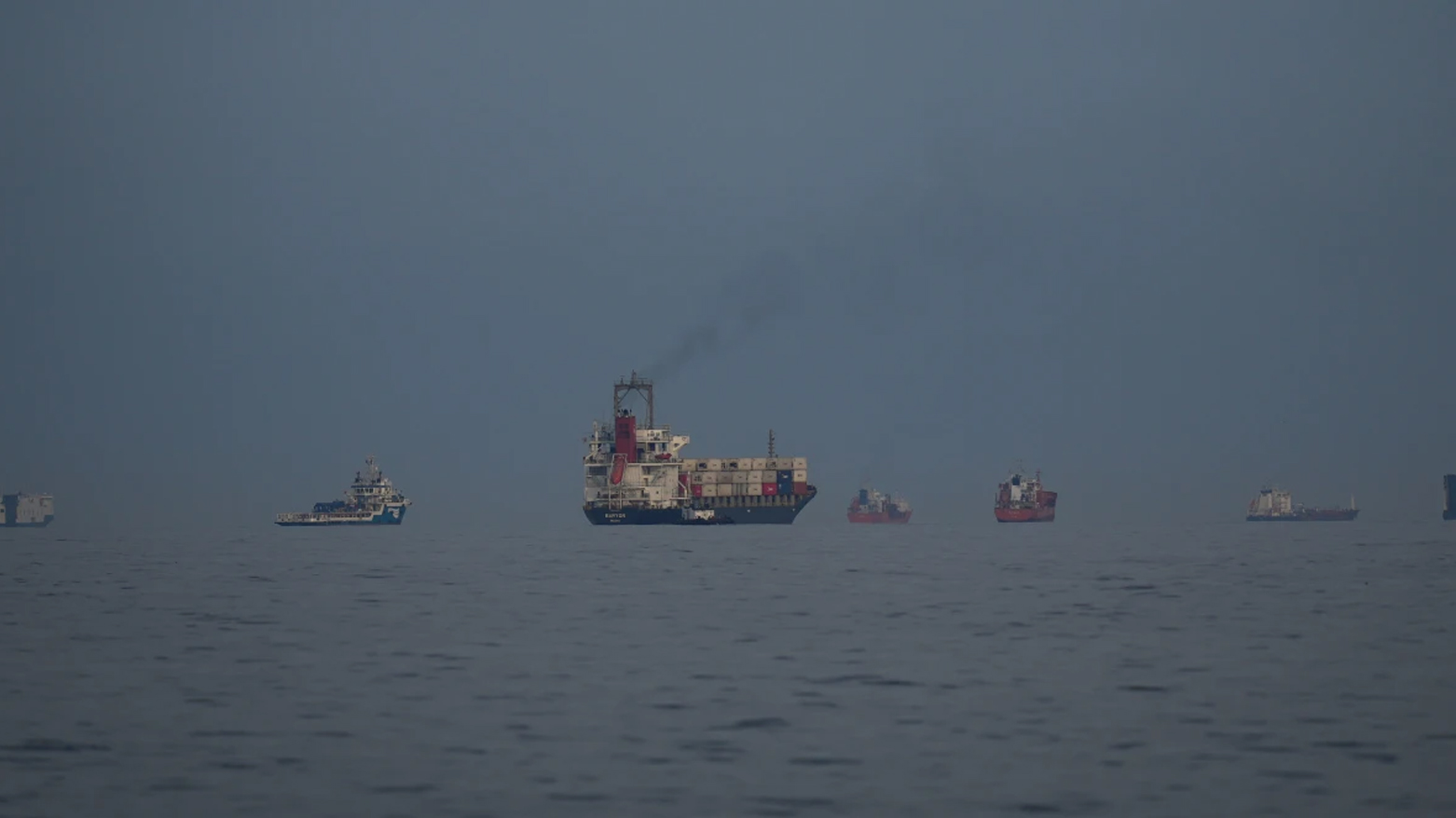
ERBIL (Kurdistan24) - Thailand has reached an agreement with Iran to allow Thai oil vessels to transit the Strait of Hormuz, Prime Minister Anutin Charnvirakul said on Saturday, marking a temporary easing of disruptions that have affected shipping in the strategic waterway, AFP reported.
"An agreement has been reached to allow Thai oil tankers to transit safely through the Strait of Hormuz," Anutin said at a press conference in Bangkok, adding that the arrangement would alleviate concerns over fuel imports. "With this agreement in place, there is greater confidence that disruptions like those seen in early March will not recur," he added.
The Strait of Hormuz, a narrow channel connecting the Persian Gulf to the Gulf of Oman, is a critical route for global energy supplies. More than 80 percent of the crude oil and liquefied natural gas (LNG) shipped through the strait is destined for Asia, according to the U.S. Energy Information Administration. Thailand and other Southeast Asian countries have faced mounting pressure from fuel supply disruptions, with long lines at petrol stations reported increasingly frequently in recent weeks.
The agreement follows a period of sharply restricted shipping in the region. According to the maritime tracking platform Kpler, commodities shipping through the Strait of Hormuz fell by 95 percent between March 1 and March 26, following the outbreak of the Middle East conflict late last month. Thai authorities cited an earlier incident in which a Thai bulk carrier was attacked in the waterway, leaving three crew members missing.
Iranian forces have been actively controlling maritime traffic in the strait, with the Revolutionary Guards announcing Friday that three ships attempting to transit had been turned back, citing restrictions on vessels connected to what Tehran describes as its "enemies," AFP reported. Meanwhile, the British naval maritime security agency UKMTO reported that 24 commercial vessels, including 11 tankers, have either been attacked or experienced reported incidents in the Gulf, the Strait of Hormuz, or the Gulf of Oman during March.
Prime Minister Anutin said Thailand’s government would continue to monitor conditions closely and adapt measures to minimize public impact. "The government will continue to adapt to evolving situations and adjust measures to minimise the impact on the public," he said, emphasizing that the agreement would help stabilize fuel imports for domestic consumption.
The deal is part of wider international concerns over maritime safety in the Strait of Hormuz, a chokepoint whose security has been increasingly strained amid the ongoing regional conflict involving Iran, the United States, and Israel. While the agreement ensures the safe passage of Thai oil vessels specifically, broader commercial shipping in the strait remains vulnerable to intermittent closures and military interventions, as reported in recent weeks.
Regional energy markets have been affected by these disruptions, with Southeast Asian nations particularly exposed to potential shortages. According to Anutin, the arrangement with Iran is expected to restore confidence among shipping operators and mitigate immediate supply risks, although authorities continue to emphasize caution and contingency planning in response to evolving conditions.
Thailand’s coordination with Iran follows a series of incidents that have highlighted vulnerabilities in international shipping through the Persian Gulf and the Strait of Hormuz. These developments underscore ongoing logistical challenges for nations dependent on imported crude and LNG for domestic consumption.
The agreement represents the first confirmed easing of Iranian restrictions specifically benefiting Thai oil shipments since the escalation of hostilities late last month, AFP reported, citing government statements and maritime tracking data.
Thai authorities confirmed that monitoring and contingency measures remain in place, with officials stressing continued vigilance as regional tensions persist.