Israel Strikes Multiple Iranian Nuclear and Weapons Sites Using 50+ Fighter Jets
Israel says 50+ jets struck Iranian nuclear and weapons sites in Arak and Yazd, hitting heavy water, missile, and explosives facilities to degrade Tehran’s military and nuclear capabilities, IDF reports.
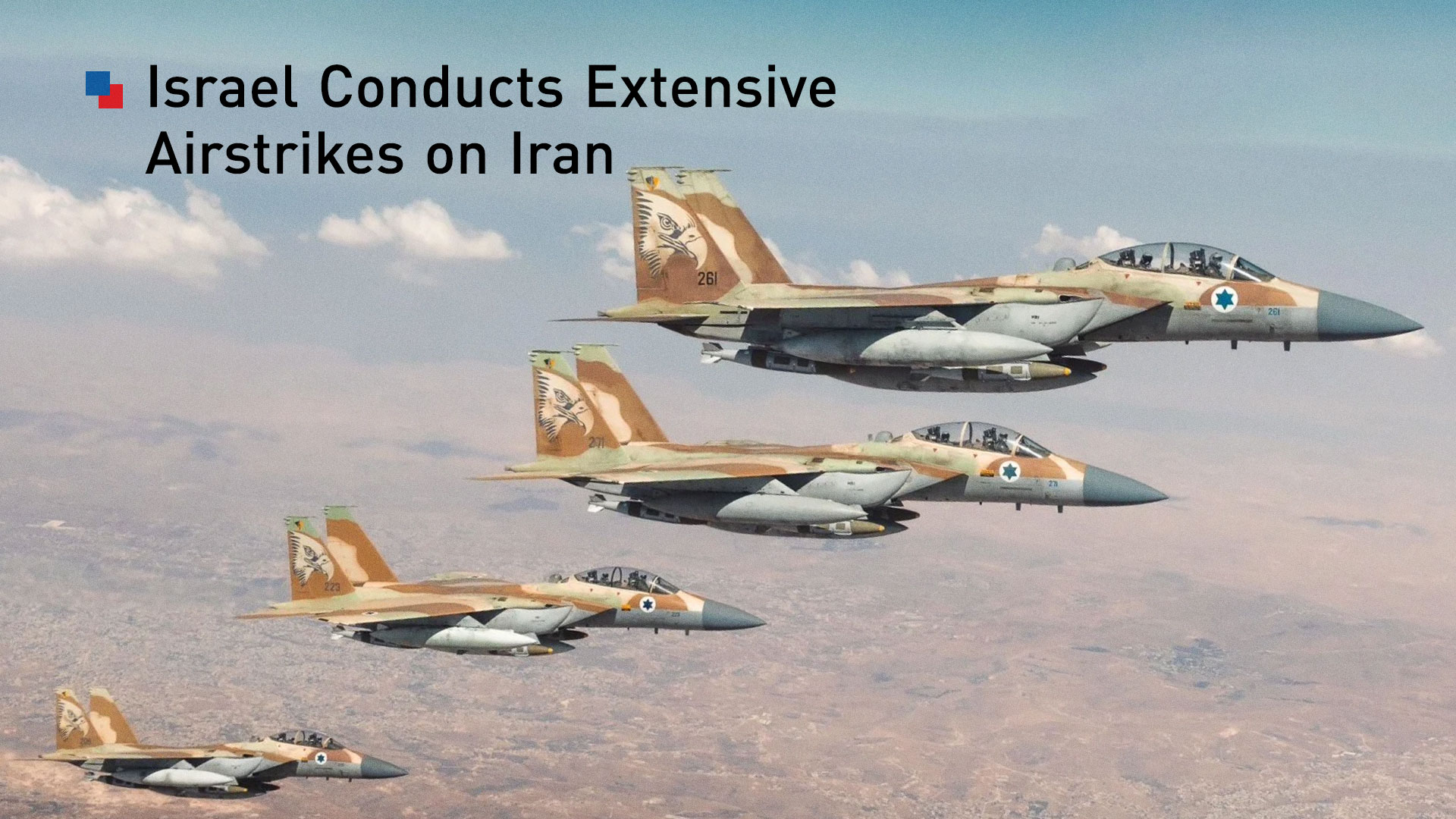
ERBIL (Kurdistan24) - Israel’s military conducted a large-scale airstrike on Iranian nuclear and military facilities on Friday, deploying more than 50 fighter jets to target three separate regions, the army said in a statement on its official Telegram channel. The operation marked one of the most extensive Israeli air operations against Iranian territory in recent months.
According to the Israeli military, the strikes targeted multiple sites associated with Iran’s nuclear and missile programs, including the heavy water plant in Arak, used in the production of weapons-grade plutonium, and a facility in Yazd specialized in producing explosives for uranium enrichment.
"The sites were struck in parallel with the heavy water plant in Arak, which served as a key production site of plutonium for nuclear weapons, and a unique facility in Iran used to produce explosive materials required for the uranium enrichment process, located in Yazd," the statement read.
The army stated that the operation was executed in three phases over several hours and focused on military industrial plants and a base belonging to the Iranian Ministry of Defense.
The spokesperson noted that these sites were involved in manufacturing advanced explosives and supplied weapons to Hamas and Hezbollah, as well as producing components for ballistic and anti-aircraft missiles.
The military described the operation as dealing a significant blow to Iran’s capacity to develop ballistic missiles and nuclear weapons.
“The strikes on these sites and facilities constitute a combined degradation to the regime’s production capabilities, both in its ballistic missile program and its nuclear weapons program,” the statement said. The army added that it plans to continue targeting Iranian military industries to degrade the country’s long-standing weapons development programs.
The strikes follow an escalation of hostilities across multiple fronts in the region. Iran and allied groups, including Hezbollah, have carried out missile attacks targeting Israeli territory, prompting air raid sirens in central and southern Israel.
Iranian missile activity overnight included strikes on urban areas in Israel, with reports of casualties. AP reported that a 52-year-old man was killed in Tel Aviv during previous missile attacks, with emergency services responding to multiple impact sites across the metropolitan area.
Israeli authorities said that air defense systems were actively engaged to intercept incoming missiles.
The strikes occurred amid the first confirmed missile launch from Yemen toward Israeli territory since the start of the current conflict, with the country’s military confirming interception efforts in southern regions, including Beer Sheba and areas near the national nuclear research center, according to AFP.
The missile was reportedly launched by Yemen’s Houthi movement, which cited coordination with Iran and Hezbollah in Lebanon, according to a statement issued by the group on March 28.
The Houthi statement described the operation as a military intervention in support of Iran and other regional resistance fronts, noting that “sensitive military objectives of the Israeli enemy” were targeted. The group said its actions coincided with operations carried out by Iranian forces and Hezbollah and asserted that its operations would continue until stated objectives were achieved.
Regional hostilities have also affected Saudi Arabia and Kuwait. Iranian attacks on Prince Sultan Air Base in Saudi Arabia wounded at least 10 U.S. service members, two of whom were in serious condition, according to anonymous U.S. officials cited by AP.
Saudi air defense systems intercepted additional missiles and drones aimed at Riyadh, while Kuwait reported material damage to port infrastructure at Shuwaikh Port and the Mubarak Al Kabeer Port.
The broader conflict has caused civilian and infrastructural disruptions. According to AP, more than 1,900 people have been killed in Iran and over 1,100 in Lebanon since the outbreak of hostilities on February 28.
Israeli civilian casualties total 19, with additional fatalities among military personnel engaged in Lebanon. The United Nations’ International Organization for Migration reported that 82,000 structures in Iran, including hospitals and residential buildings, have been affected.
Israel’s strikes on Iranian nuclear-related sites followed earlier warnings from Tehran regarding retaliation for military operations in the region. Iranian authorities confirmed that the affected facilities in Arak and Yazd were either inactive or secured, and reported no casualties or contamination risk. Iranian Foreign Minister Abbas Araghchi warned on social media that Iran would impose a “HEAVY price for Israeli crimes,” as cited by AP.
Diplomatic efforts to manage the crisis remain ongoing. The United States has proposed a framework for a ceasefire through indirect channels, while Iran has presented its own conditions.
The UN and regional intermediaries, including Pakistan, have been engaged in discussions, but no agreement has been reached. Meanwhile, the Group of Seven foreign ministers convened in France, calling for an immediate halt to attacks on civilian populations and infrastructure, highlighting the continuing international concern over escalating regional hostilities.
The Israeli military operation on March 27 represents a major intensification of air campaigns against Iranian military and nuclear targets and follows recent missile activity across multiple fronts, including Yemen, Lebanon, and Saudi Arabia. Israeli forces remain on high alert to monitor incoming threats and continue defensive operations.
The airstrikes targeted multiple Iranian military and nuclear sites using more than 50 fighter jets, marking one of the largest Israeli air operations in the region this year.