UAE’s EGA Site Hit in Iranian Strike as Qatar Neutralizes Incoming Drones
Emirates Global Aluminum reports damage and injuries; Qatar intercepts drones as Iran claims military actions
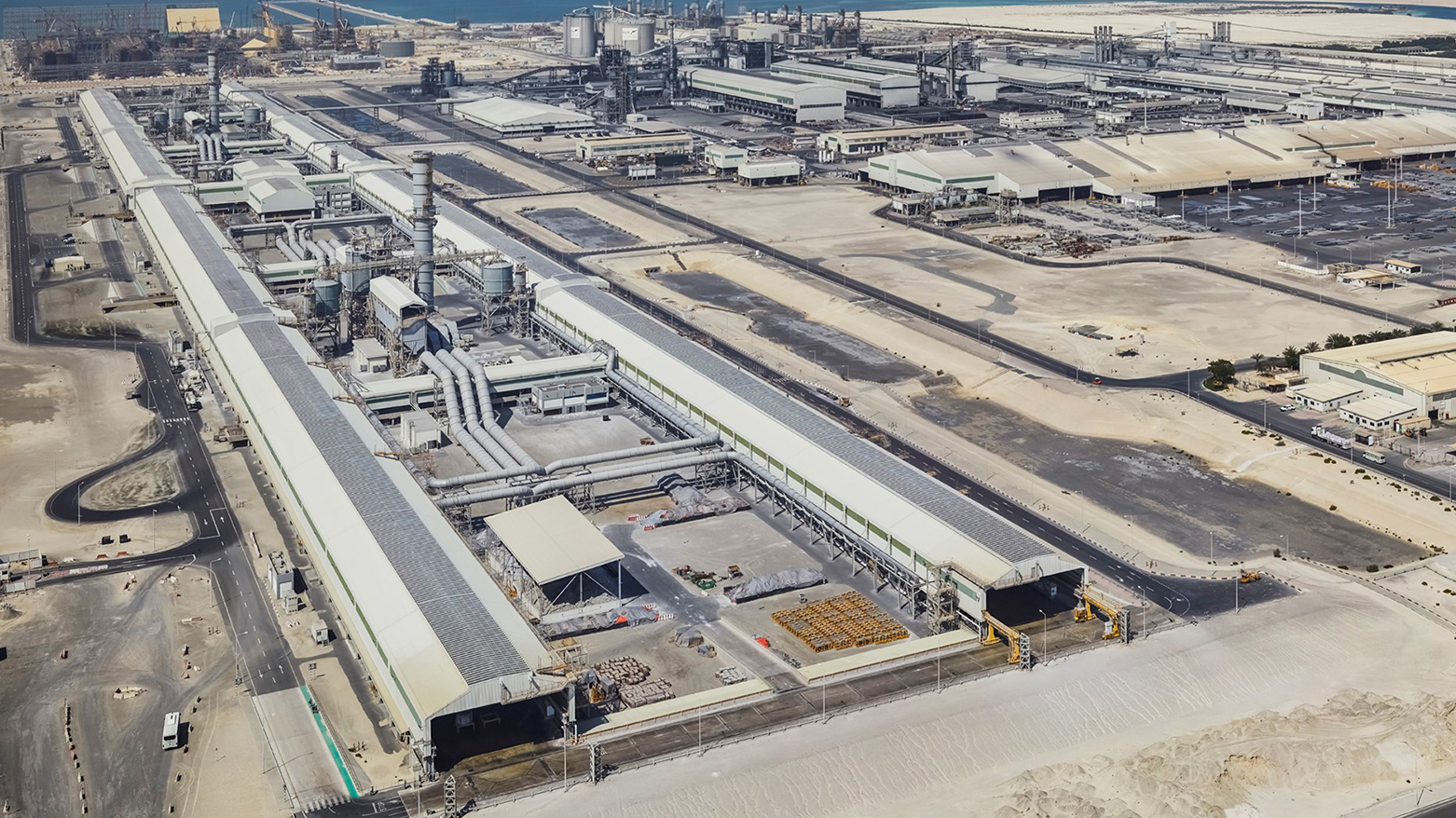
ERBIL (Kurdistan24) — Emirates Global Aluminum (EGA) reported significant damage and multiple injuries on Saturday following an Iranian missile and drone attack on one of its facilities in the United Arab Emirates. The company said its Al Taweelah site in the Khalifa Economic Zone, Abu Dhabi, sustained “significant damage” after debris from an intercepted missile caused a fire.
“A number of EGA employees were injured. None of the injuries is life-threatening,” the firm added, highlighting both the human and operational impact of the strike.
The attack comes amid a series of escalating regional incidents. The Qatar Ministry of Defense announced on X that the Gulf state had also been targeted on Saturday by multiple drones launched from Iran.
Qatari authorities said their armed forces successfully intercepted and neutralized all incoming drones, preventing casualties or damage.
The strikes in the UAE are intertwined with broader regional tensions. Iran’s Revolutionary Guards reported dismantling more than 120 unexploded cluster bombs in southern Iran, allegedly dropped during US and Israeli strikes in Fars province.
Jalal Yarmohammadi, deputy head of public relations for the Guards, told the ISNA news agency that the bombs, which disperse multiple bomblets per projectile, were discovered and destroyed over several towns around Shiraz, though the timing of the original attacks remains unclear.
In addition, Tehran claimed to have targeted and destroyed a Ukrainian anti-drone system depot in the UAE, saying the facility was assisting US forces. Kyiv has denied the claim, describing it as a “lie” and “disinformation,” underscoring the complexity of the conflict and competing narratives in the region.
The strikes against industrial and military sites in the Gulf reflect the growing role of drones and missile technology in contemporary regional conflicts, raising concerns over civilian and commercial vulnerabilities.
Analysts note that the attacks, occurring amid ongoing US and Israeli operations against Iranian interests, highlight the potential for escalation and wider instability in the Middle East.
The recent incidents underscore a rapidly shifting security environment in the Gulf, where regional powers, global allies, and private industry are increasingly entwined in the fallout of military and proxy engagements.