Pakistan to Host Saudi Arabia, Türkiye, Egypt for Talks on Middle East War
Pakistan is hosting foreign ministers from Saudi Arabia, Türkiye, and Egypt for talks on the Middle East war as part of ongoing diplomatic efforts involving Iran and the United States.
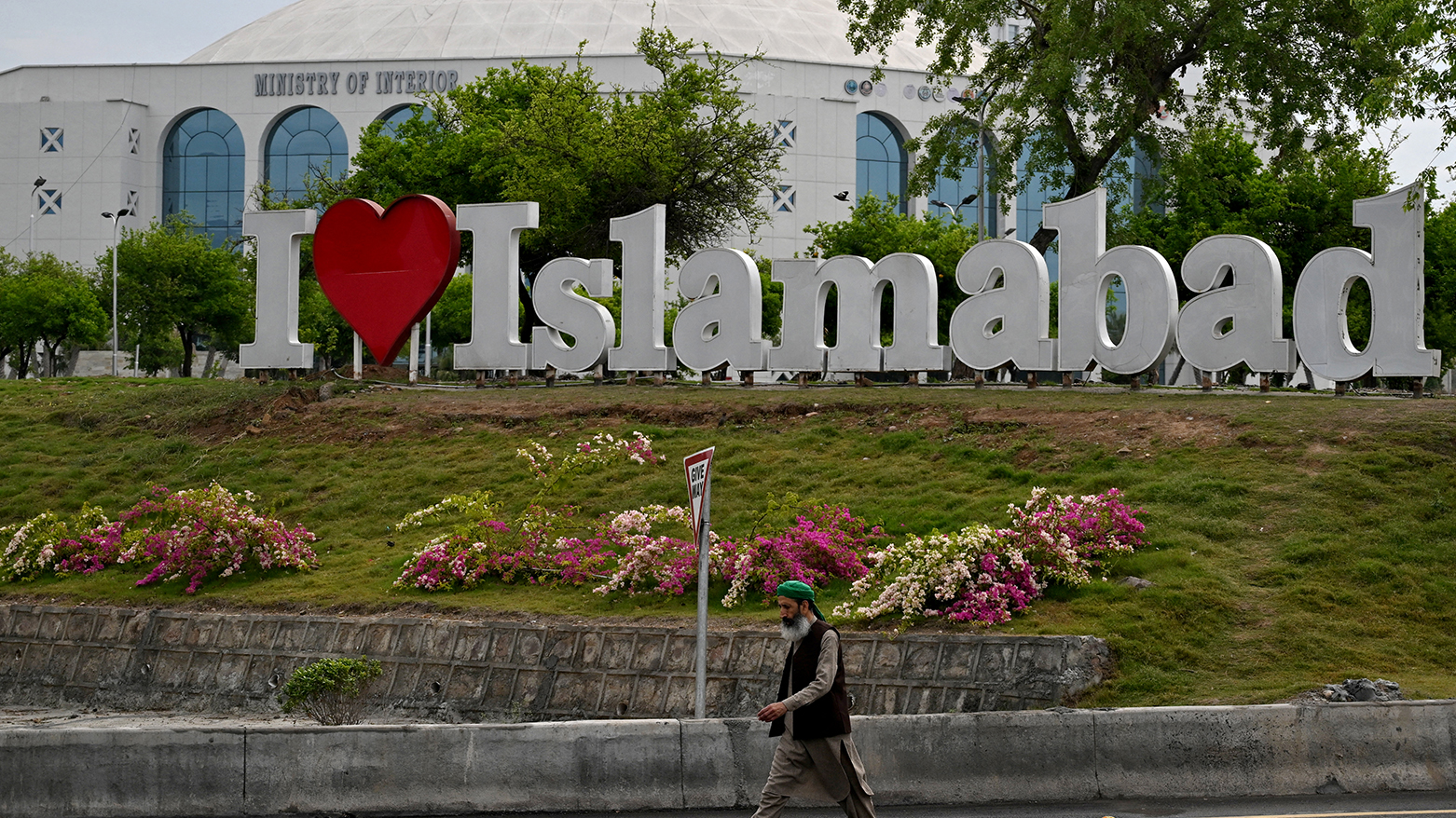
ERBIL (Kurdistan24) - Pakistan is set to host foreign ministers from Saudi Arabia, Türkiye, and Egypt in Islamabad for talks on the ongoing Middle East war, as Prime Minister Shehbaz Sharif said he held a “detailed” telephone conversation with Iranian President Masoud Pezeshkian on Saturday as part of preparations for the meetings, AFP reported.
The talks, scheduled for Sunday and Monday, will address “a range of issues, including efforts to de-escalate tensions in the region,” Pakistan’s foreign ministry said in a statement. The meetings are to be led by Foreign Minister Ishaq Dar, according to officials.
Sharif said his conversation with Pezeshkian lasted more than one hour and focused on diplomatic efforts related to the conflict. “I had a detailed telephone conversation with my brother President Masoud Pezeshkian of Iran earlier today,” Sharif said, describing the call as part of Pakistan’s ongoing engagement with regional stakeholders.
According to Sharif, he informed the Iranian president about Islamabad’s diplomatic outreach, including contacts with the United States and countries in the Gulf and broader Islamic world. He said these efforts are aimed at facilitating dialogue and reducing tensions linked to the conflict.
Iranian authorities confirmed the exchange, with Pezeshkian expressing support for Pakistan’s mediation efforts. According to his office, the Iranian president “thanked Pakistan for its mediation efforts to stop the aggression against the Islamic republic.”
The diplomatic initiative comes as Pakistan positions itself as a facilitator between Iran and the United States, serving as an intermediary for messages between the two sides as hostilities continue. Officials indicated that Islamabad has been engaged in relaying communications in recent weeks, though no direct negotiations between Washington and Tehran have been publicly confirmed.
Foreign Minister Dar said the talks in Islamabad would also reflect ongoing efforts to build confidence and reduce tensions through diplomatic means. In a message posted on X, he said, “Dialogue, diplomacy, and such confidence-building measures are the only way forward,” while referencing senior U.S. officials and Iran’s foreign minister in his remarks.
As part of the diplomatic developments, Dar announced that Iran had agreed to allow additional Pakistani-flagged vessels to transit through the Strait of Hormuz. He said “20 more ships” would be permitted, equivalent to two vessels per day, according to his statement.
The Strait of Hormuz, a key maritime corridor, has been a focal point of concern amid the broader conflict. Officials said the arrangement regarding Pakistani vessels was one of several measures discussed in the context of maintaining trade flows and reducing risks to commercial shipping.
The Islamabad meetings follow a series of diplomatic engagements involving regional and international actors. Sharif and Pezeshkian have held multiple discussions in recent weeks, according to officials, focusing on the conflict and Pakistan’s stated commitment to facilitating its resolution.
Pakistan maintains longstanding relations with Iran and has established ties with Gulf countries, positioning it to engage with multiple parties involved in the conflict. Officials also noted that Sharif and Pakistan’s army chief, Field Marshal Asim Munir, have developed contacts with U.S. leadership, including President Donald Trump, in parallel with outreach to regional governments.
Germany’s Foreign Minister Johann Wadephul said on Friday that he expected a direct meeting between U.S. and Iranian officials to take place in Pakistan “very soon,” though he did not disclose the source of that expectation. Iranian authorities have not confirmed any plans for direct talks with Washington.
Separately, Iranian media reported that Tehran had conveyed a response to a proposal from the United States regarding the conflict through Islamabad. The report, citing an unnamed source, indicated that the communication was delivered via Pakistan, though no official confirmation was provided by either government.
The meetings in Islamabad are expected to bring together senior diplomats from Saudi Arabia, Türkiye, and Egypt alongside Pakistani officials, reflecting a coordinated effort among regional states to address the ongoing war. The agenda, according to Pakistan’s foreign ministry, includes discussions on de-escalation and broader regional stability.
Officials did not disclose whether representatives from the United States or Iran would participate directly in the talks, and no formal bilateral meetings between those parties were announced as part of the scheduled discussions.
Pakistan’s role as host and facilitator has been emphasized by its leadership in recent statements. Sharif described the country’s outreach as part of a broader effort to encourage dialogue and reduce tensions, while Iranian officials acknowledged Islamabad’s involvement in communication channels.
The outcome of the Islamabad meetings has not been outlined, and officials have limited their comments to the stated objective of addressing regional tensions through diplomatic engagement. The sessions are scheduled to continue over two days, with delegations expected to discuss developments related to the conflict and possible avenues for de-escalation.