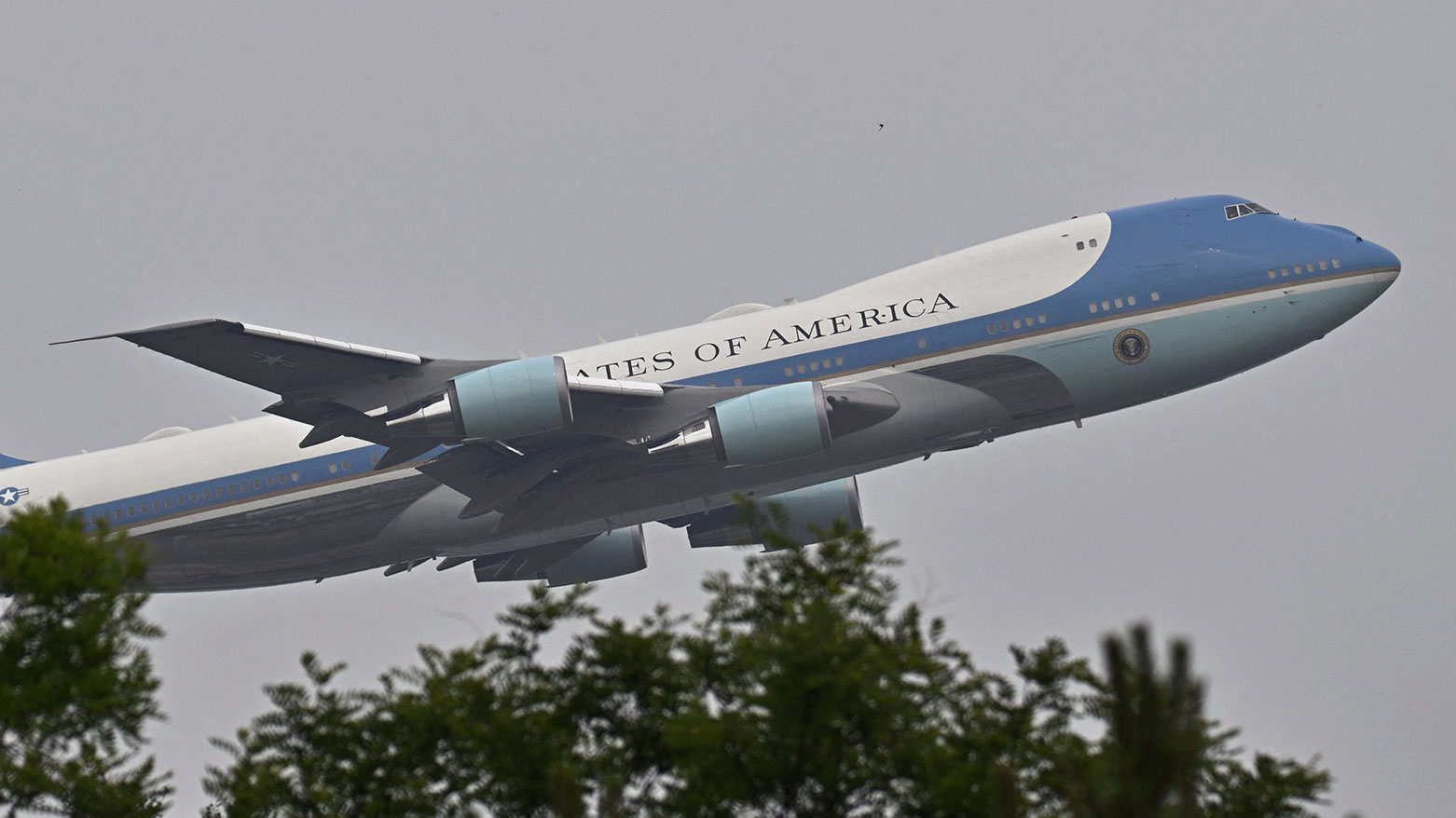
U.S.-China Summit Centers on Iran, Trade, and Indo-Pacific Tensions
Trump and Xi wrapped a two-day Beijing summit emphasizing "stability" in U.S.-China ties, with AP reporting limited progress on Iran, Hormuz shipping lanes, and trade. Despite upbeat and tentative cooperation signals, core disputes over security, Taiwan, and economic rivalry remain unresolved.
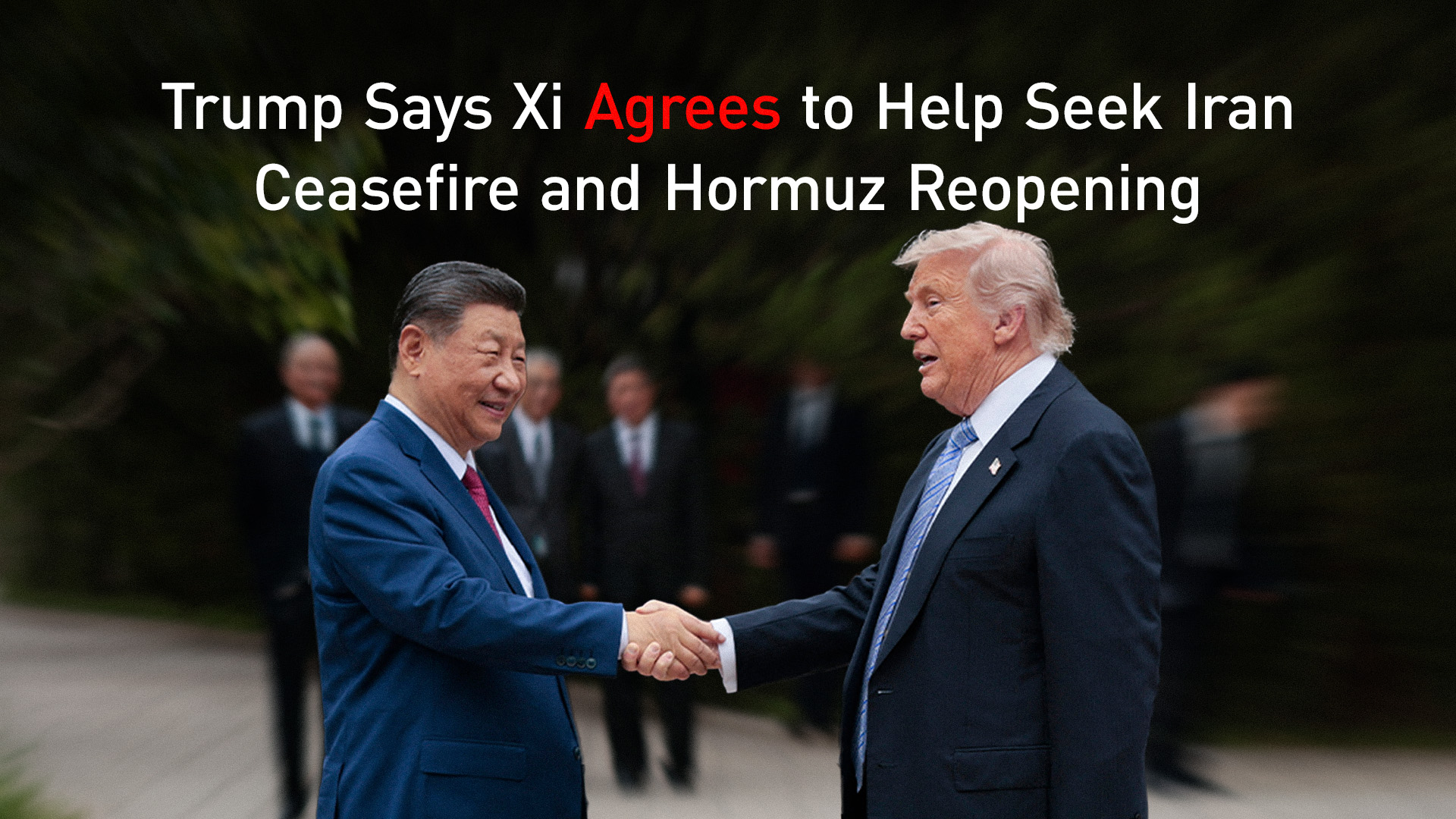
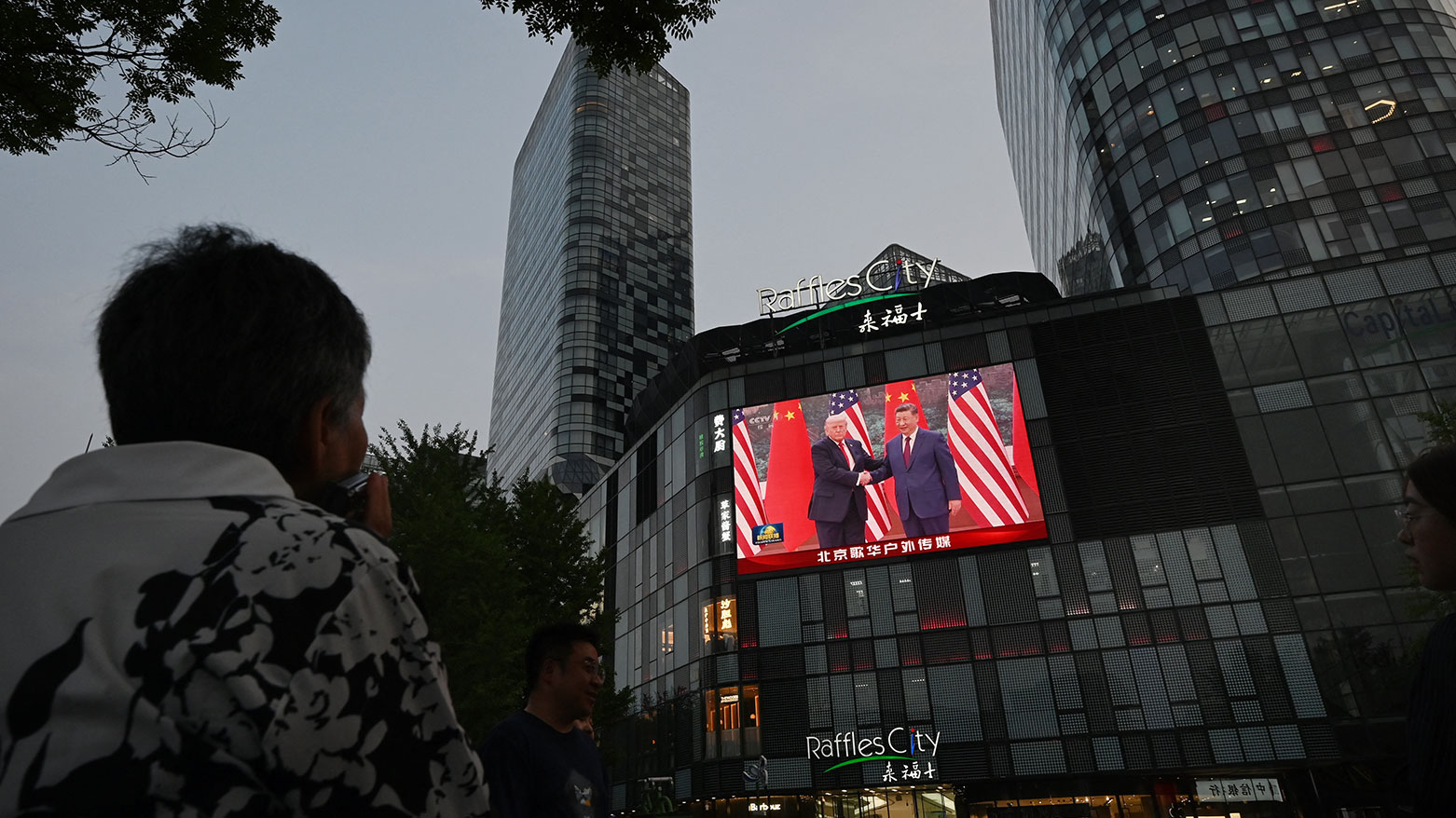
ERBIL (Kurdistan24) - U.S. President Donald Trump and Chinese President Xi Jinping concluded a two-day diplomatic summit in Beijing marked by high-level discussions over global security, economic ties, and the persistent geopolitical friction between the two superpowers.
According to the Associated Press (AP) on Friday, while both leaders publicly claimed progress toward stabilizing the U.S.-China relationship, profound diplomatic differences remain unresolved across a variety of strategic files, particularly regarding regional security in the Middle East and East Asia.
A central element of the summit's agenda involved the ongoing conflict involving Iran and the resultant disruption of global energy transit routes.
According to AP coverage of the summit, President Trump indicated that Xi Jinping expressed a willingness to assist in negotiating an end to the Iran war and the reopening of the strategically vital Strait of Hormuz.
Because China functions as the largest international purchaser of Iranian oil, U.S. officials are hoping Beijing will leverage its economic influence to compel Tehran toward a diplomatic resolution on terms acceptable to Washington.
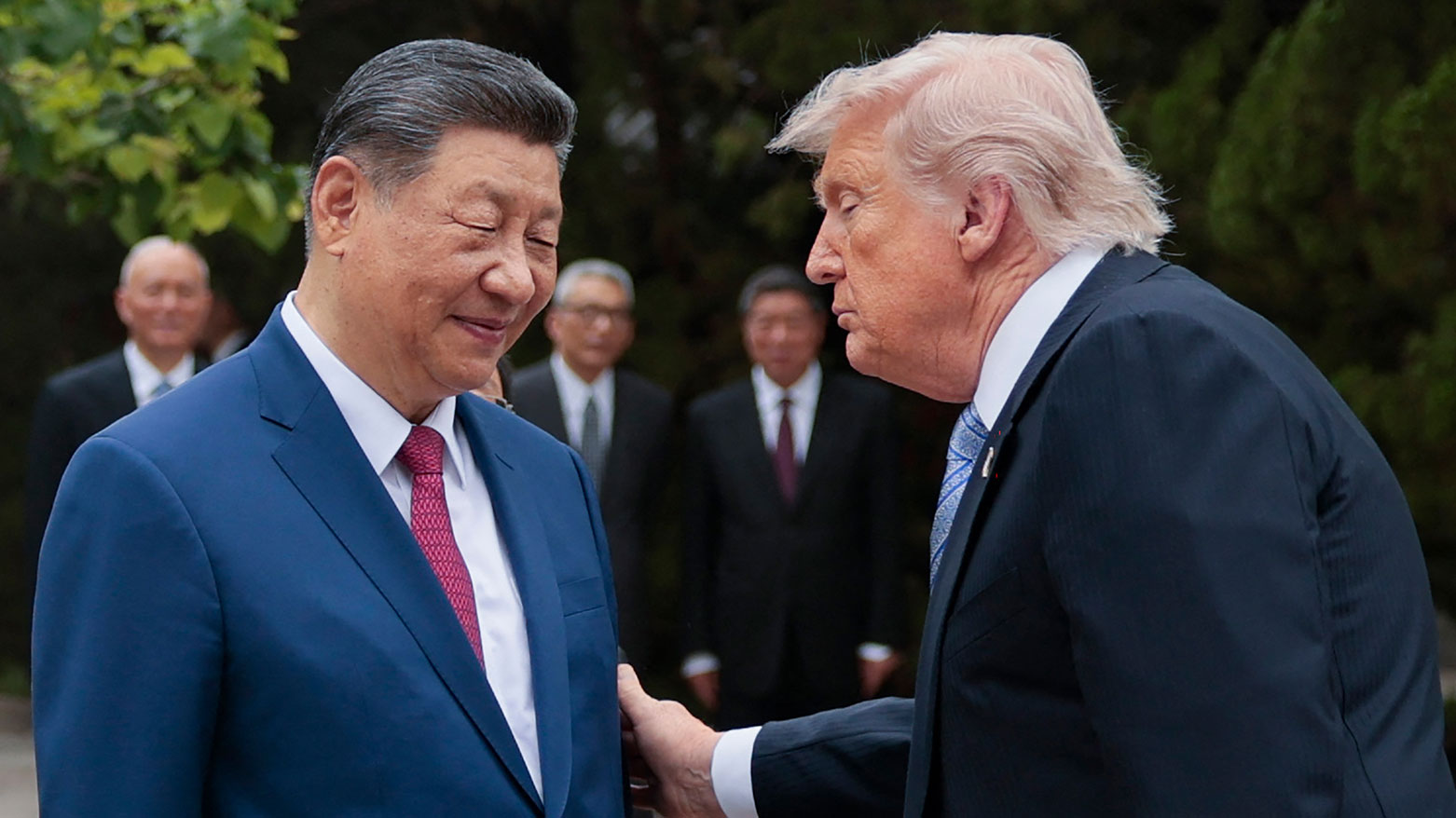
The summit was closely watched internationally because it occurred against the backdrop of multiple, interconnected global crises.
The strategic dynamic between Washington and Beijing, simultaneously defined by deep economic interdependence and intensifying geopolitical rivalry, shapes the broader international response to the conflict in Iran, maritime security, and technological competition.
The negotiations highlighted the delicate balancing act required to manage these overlapping tensions without triggering further economic or military escalation.
Iran Emerges as Key Summit Topic
Discussions concerning Iran and the security of Middle Eastern waterways occupied a prominent position during the bilateral meetings.
According to the Associated Press, Trump stated that he and Xi share a similar objective regarding the conflict's conclusion, emphasizing a mutual opposition to Iranian nuclear armament.
"We don't want them to have a nuclear weapon," Trump said, adding that both nations share a vested interest in keeping the Strait of Hormuz open for global commerce.
The diplomatic overlap was cautiously confirmed by Beijing.
Agence France-Presse (AFP) journalist Danny Kemp reported that the Chinese Foreign Ministry released a statement following the meetings calling for a "comprehensive and lasting ceasefire" in the region.
According to AFP, the ministry further stated that international shipping lanes "should be reopened as soon as possible."
However, differences regarding the mechanics of a resolution persist. Trump has demanded a significant rollback of Iran's nuclear infrastructure as a prerequisite for ending the conflict.
In an interview with Fox News cited by AP, Trump also claimed that Iranian officials had previously agreed to allow U.S. teams to extract hundreds of pounds of enriched uranium from damaged nuclear sites, only to later renege on the commitment.
Furthermore, AP reported that while the Chinese Foreign Ministry promoted a four-point peace proposal outlining broad principles of national sovereignty, it stopped short of explicitly committing Beijing to negotiate a resolution on Washington's terms.
Crucially, AFP reported that Trump said Xi assured him China was not preparing to provide military assistance or equipment to Tehran.
"He said he's not going to give military equipment... he said that strongly," Trump stated in a post-summit interview.
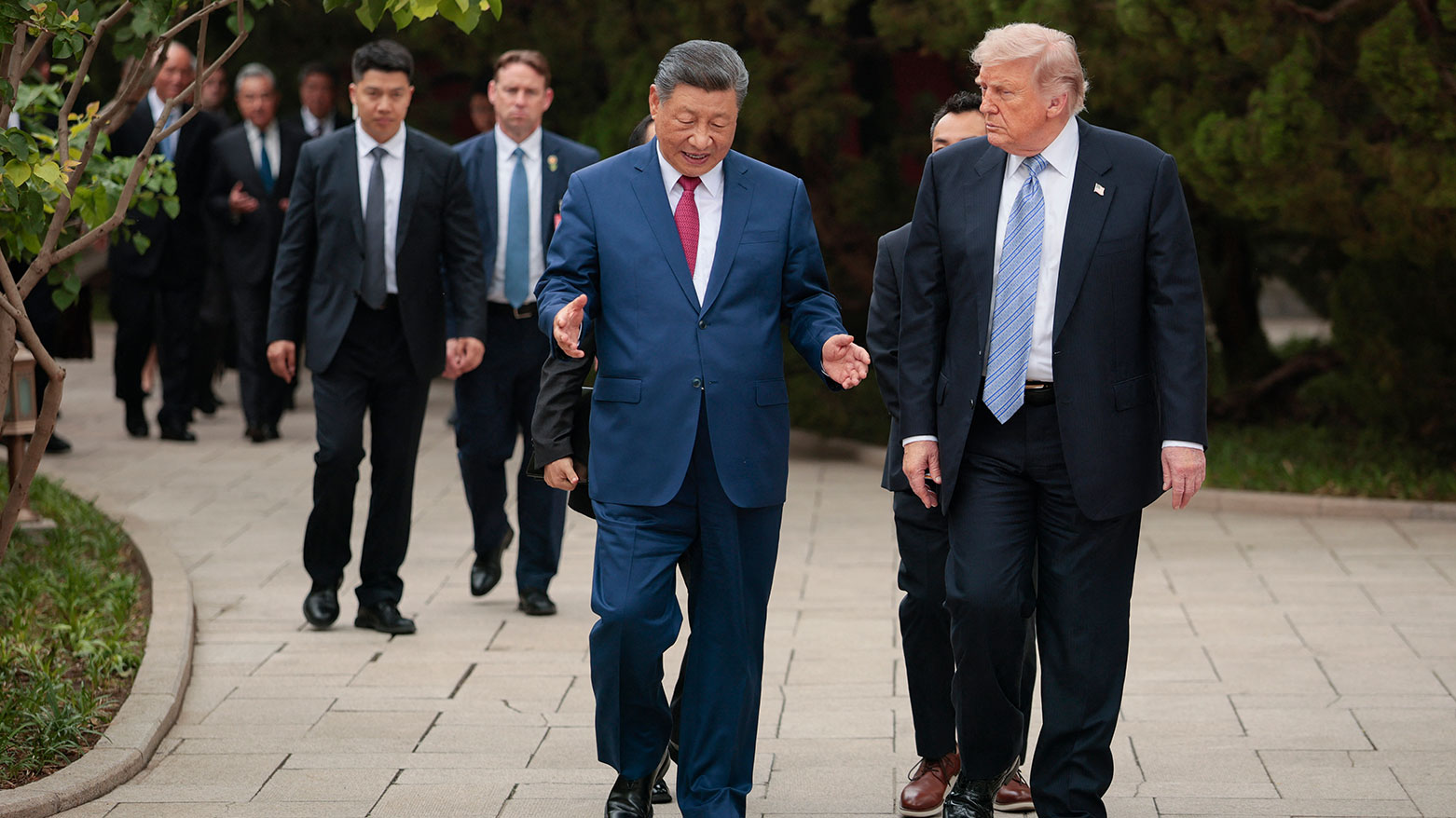
Trump and Xi Claim Progress
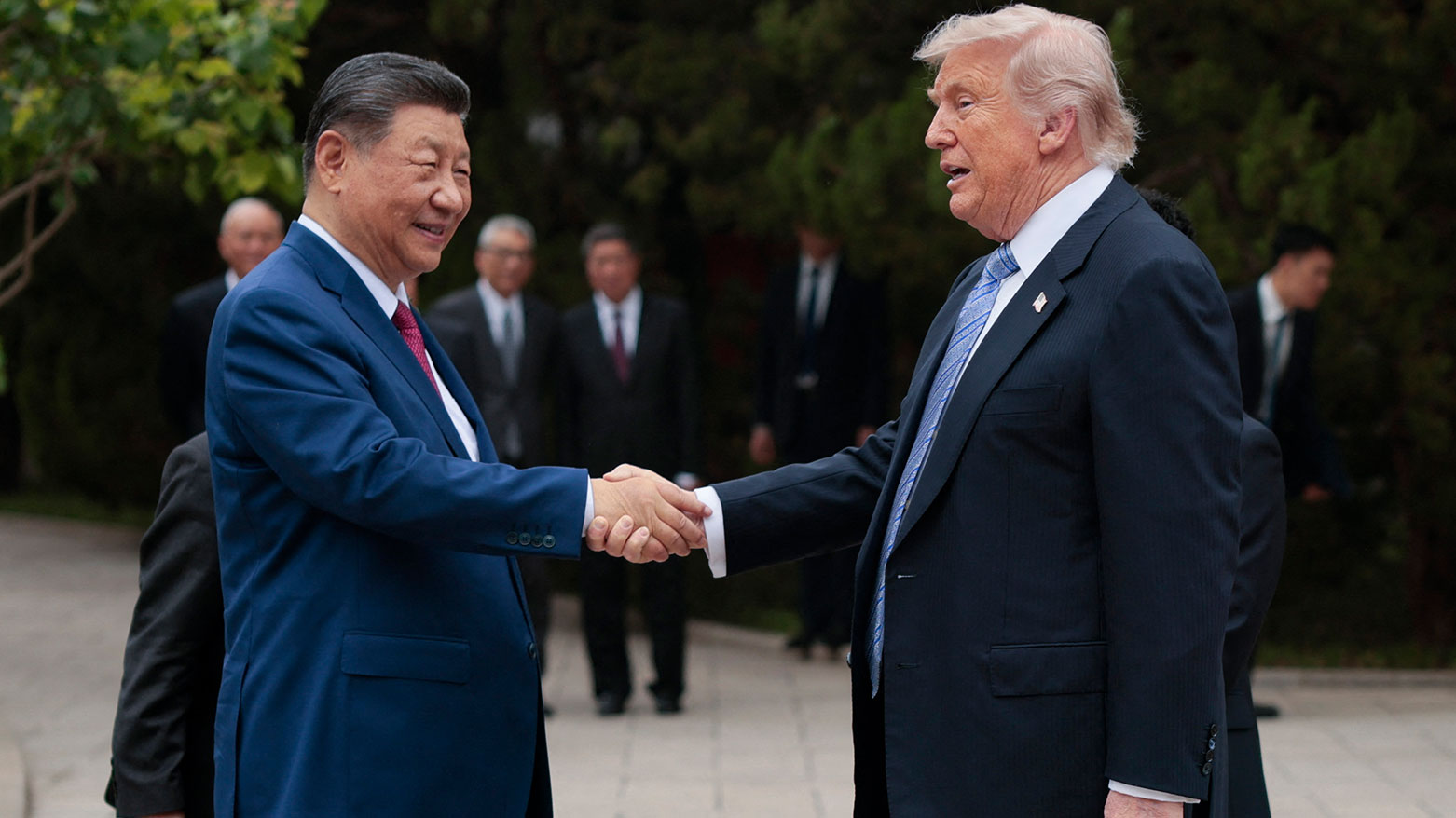
Both leaders utilized public appearances to highlight the stabilization of bilateral relations.
According to the Associated Press, President Xi characterized the diplomatic engagement as a "historic and landmark visit."
A readout from Chinese state media quoted Xi stating that the two nations had affirmed a "new position of a constructive, strategic and stable" relationship. The Chinese president noted that the visit was beneficial for deepening mutual trust and advancing coordination on international issues.
President Trump similarly praised the engagement, describing the visit as "incredible" and stating that "a lot of good has come of it."
According to AP, the diplomatic choreography of the summit was highly manicured, featuring symbolic venues such as the Temple of Heaven and the gardens of Zhongnanhai, China's central leadership compound.
Despite the ceremonial warmth, the underlying strategic tensions remained evident.
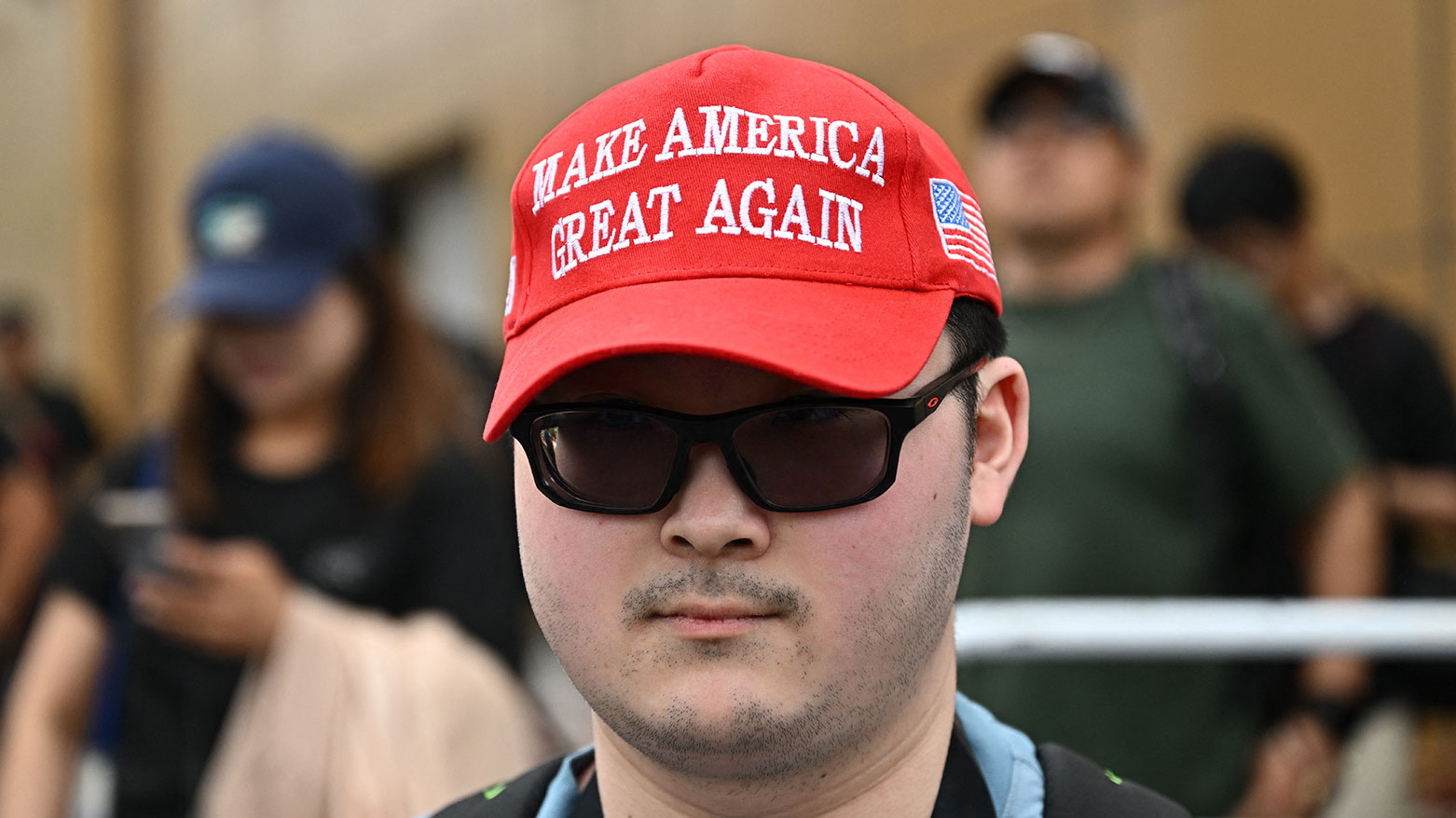
Trade and Economic Issues
Beyond regional security, trade and economic recalibration were primary focal points.
According to AFP reporting, Trump announced that he had secured "some fantastic trade deals" during the talks.
While the White House did not immediately release detailed commercial agreements, Trump indicated in media interviews that the arrangements involved significant Chinese purchases in the aviation, energy, and agricultural sectors.
Danny Kemp reported for AFP that Trump claimed Xi agreed to purchase 200 Boeing aircraft, although aviation markets reacted cautiously to the lack of formal documentation.
Additionally, Trump suggested that China had voiced interest in purchasing U.S. oil and soybeans. According to AP, American soybean farmers, heavily impacted by previous tariff disputes, are hoping the summit will yield commitments for increased agricultural exports.
The integration of advanced technology into trade negotiations was also discussed. Despite the presence of Nvidia CEO Jensen Huang in the U.S. business delegation, AFP noted that no announcements were made regarding the sale of advanced artificial intelligence chips to China.
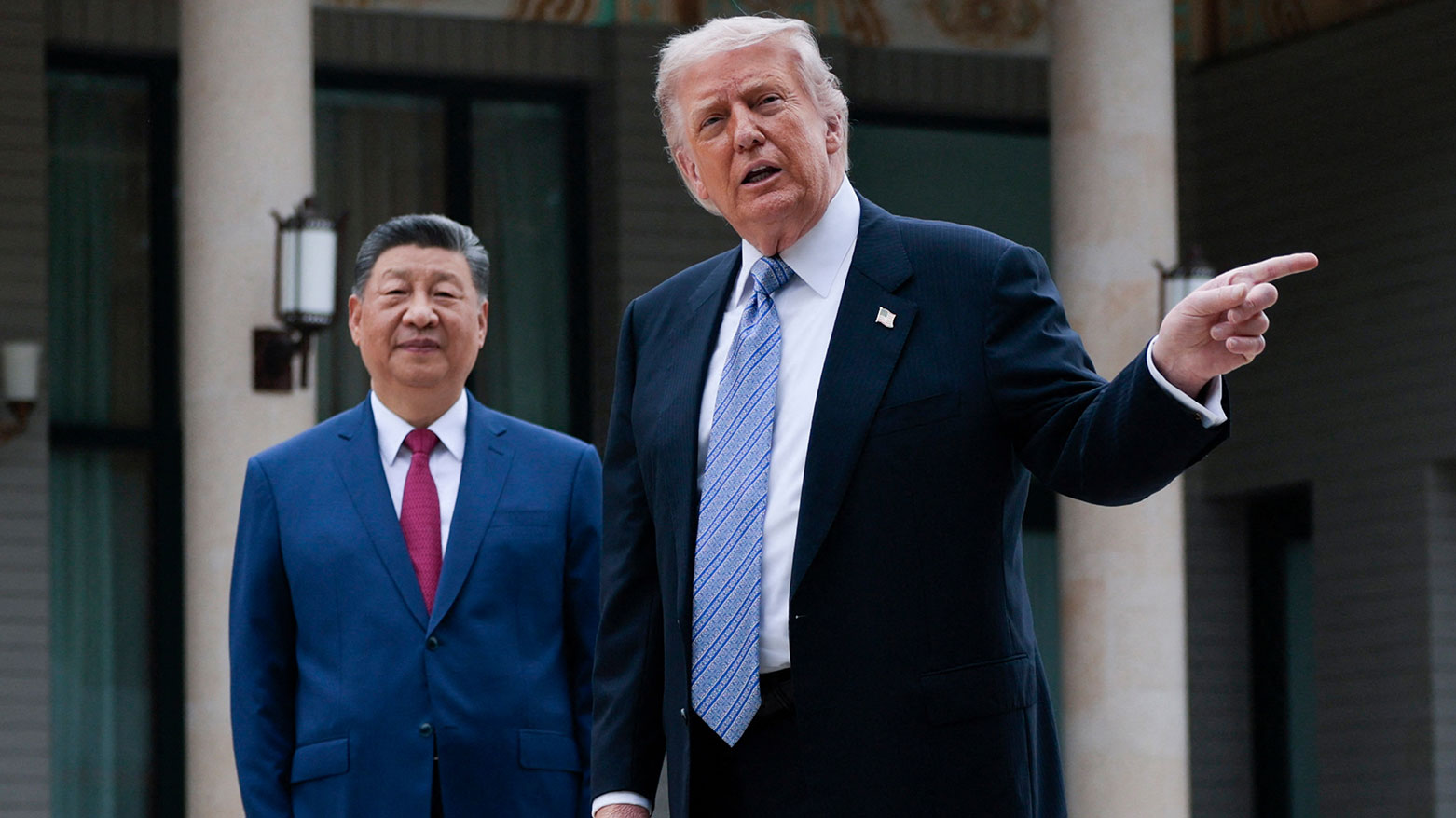
U.S. export controls currently restrict the transfer of cutting-edge AI technology to Chinese tech firms on national security grounds.
According to AFP, U.S. Treasury Secretary Scott Bessent indicated that the two nations would begin discussions on establishing "guardrails" for the use of artificial intelligence.
Strategic Rivalry and Cooperation
While the leaders emphasized areas of economic cooperation, fundamental geopolitical disagreements were openly acknowledged.
According to the Associated Press, President Xi issued a stark warning regarding Taiwan, cautioning that missteps over the self-governed island could lead the U.S. and China down a path toward conflict.
The status of Taiwan remains the most sensitive friction point in the bilateral relationship.
According to AFP, Chinese state media reported that Xi stressed the severity of the issue early in the talks. U.S. Secretary of State Marco Rubio later affirmed that American policy toward Taiwan remains unchanged, noting that the U.S. consistently makes its position clear when the topic is raised.
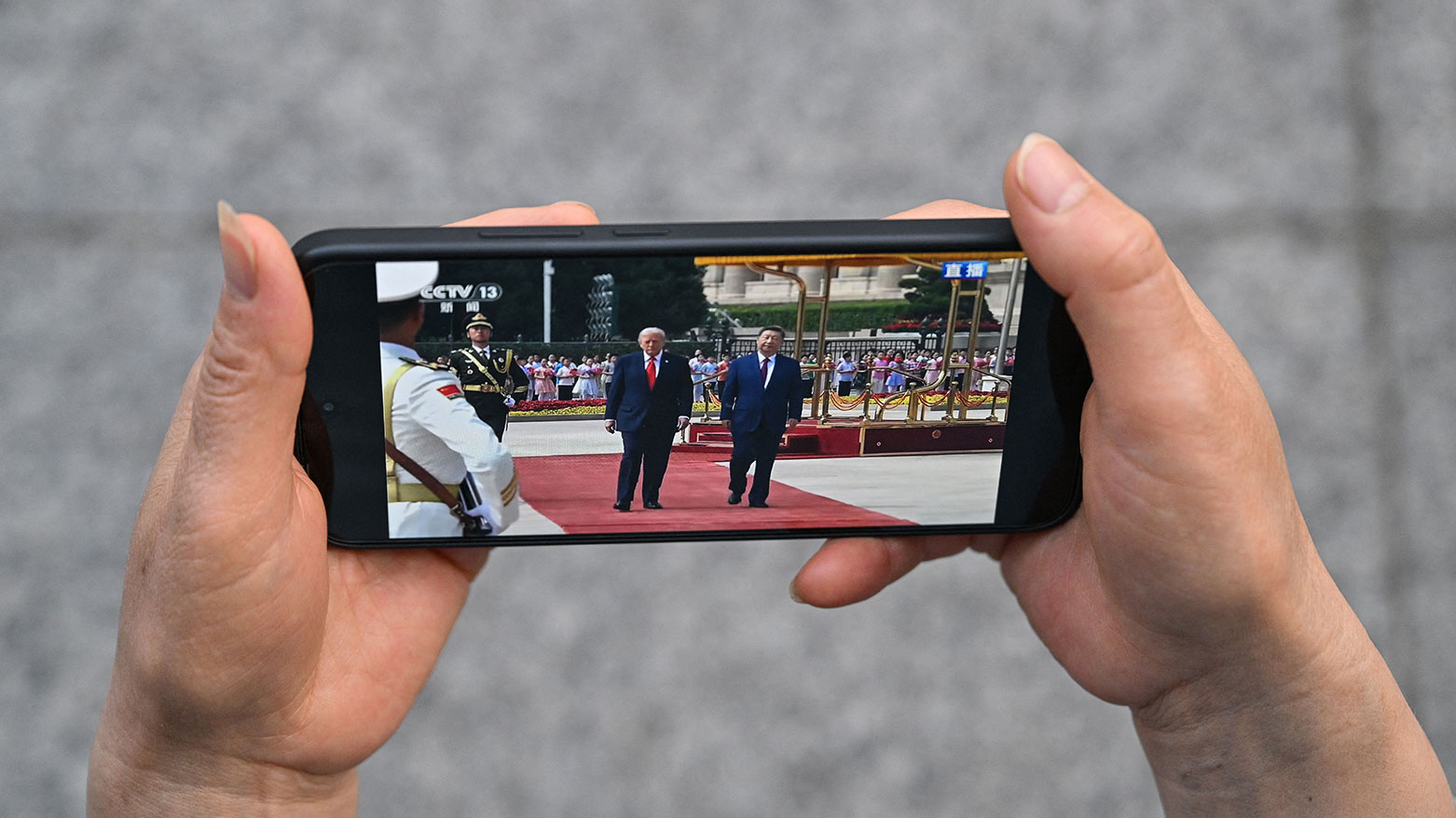
AP reported that the Taiwanese Ministry of Foreign Affairs expressed gratitude for the continued U.S. support and its commitment to peace and stability in the Taiwan Strait.
The summit also touched upon human rights and ideological differences.
AP noted that the U.S. delegation raised the case of Jimmy Lai, a prominent pro-democracy activist currently imprisoned in Hong Kong. Secretary Rubio indicated that Washington hopes for a humanitarian resolution leading to his release, though no commitments were secured during the meetings.
Global Implications
The diplomatic engagement in Beijing occurred at a moment when global markets and international security structures are under immense strain.
The attempt to forge a framework of "constructive, strategic stability", as characterized by Chinese officials in the AP report, reflects a mutual desire to prevent economic competition from deteriorating into overt confrontation.
By compartmentalizing their relationship, Washington and Beijing are attempting to collaborate on stabilizing the global energy supply chain via the Strait of Hormuz while simultaneously managing their fierce strategic rivalry over technology, trade tariffs, and territorial claims in East Asia.