Russia Condemns Strikes on Iranian Nuclear Facilities, Urges Immediate Halt
The Russian Foreign Ministry reiterated its call for an immediate halt to strikes on Iranian nuclear facilities, citing risks of escalation and radioactive contamination.
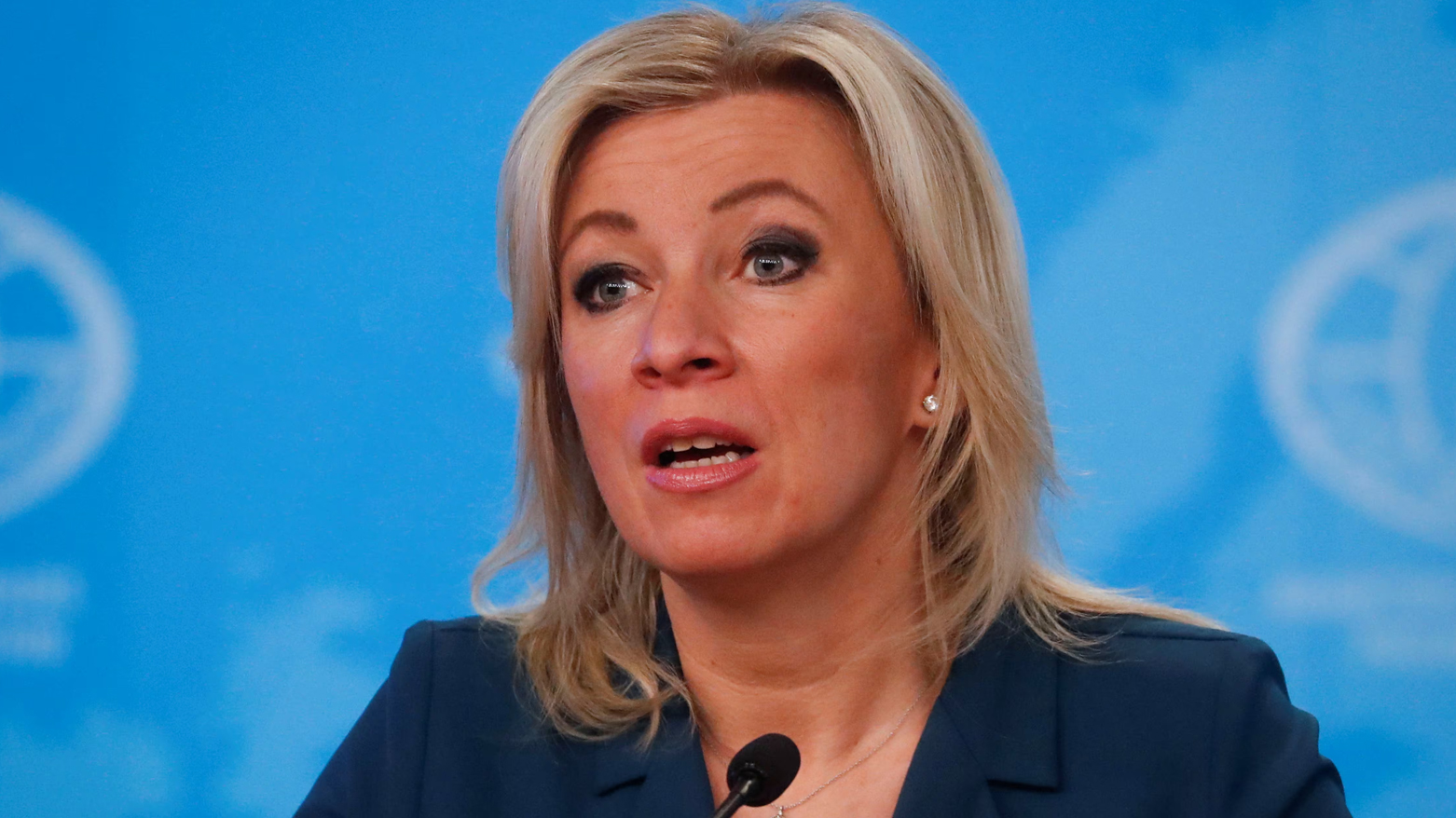
ERBIL (Kurdistan24) - Russia’s Foreign Ministry spokeswoman Maria Zakharova said on Saturday that Moscow strongly condemns continued strikes against what it described as peaceful nuclear facilities in Iran, warning of the risks of large-scale radioactive contamination and calling for an immediate cessation of attacks.
In an official comment released on Saturday, Zakharova said that “the aggressors keep raising the stakes in their war in the Middle East,” referring to recent strikes on Iranian nuclear-related sites. According to the statement, attacks carried out on March 27 targeted a heavy-water production plant in Khondab and a yellowcake production facility in Ardakan. The spokeswoman added that reports quickly followed of additional strikes in the area of the Bushehr nuclear power plant.
Zakharova said these developments pose significant risks, including the potential for radioactive contamination, and called on the international community to respond. “These attacks deserve unequivocal and strong condemnation by the entire international community,” she said, adding that “blatant violations of international law continue, and those responsible for such arbitrariness should be made aware of this.”
The Russian Foreign Ministry statement urged the International Atomic Energy Agency (IAEA) to respond more forcefully to the situation. Zakharova said the agency’s leadership “must more clearly speak about the grave threat that Iran’s opponents are trying to ignore or even deny.” She expressed hope that the IAEA Director General would promptly receive objective information from Iranian authorities and convey the urgency of halting further strikes.
“It’s time for you to stop!” Zakharova said in the statement, addressing those responsible for the attacks. “You have already crossed the line, but you have an opportunity not to commit even greater atrocities, not to multiply the number of innocent victims and not to bring the tragedy to a global disaster dimension.”
The statement further asserted that the strikes undermine international frameworks governing nuclear safety and non-proliferation. Zakharova said that attacks on such facilities effectively negate the Treaty on the Non-Proliferation of Nuclear Weapons, as well as established IAEA verification mechanisms and conventions related to nuclear and physical safety.
She added that the states responsible for the strikes are disregarding internationally agreed standards and decisions, suggesting that these frameworks are being set aside for what she described as “selfish interests and geopolitical considerations.”
“We strongly condemn this destructive course,” Zakharova said. “Those who are conducting it must stop immediately.”
The Russian statement did not identify the countries responsible for the strikes but referred broadly to “states attacking Iran.” No additional operational details about the incidents were provided, and there was no independent confirmation included regarding the damage or conditions at the targeted facilities.
The comments come amid a series of reported developments related to the ongoing Middle East war, including diplomatic efforts aimed at de-escalation. Officials have described increasing international engagement in response to the conflict, with regional actors seeking to facilitate dialogue between parties.
In this context, Pakistan is hosting foreign ministers from Saudi Arabia, Türkiye, and Egypt in Islamabad for talks on the conflict, according to official statements. The meetings, scheduled over two days, are expected to address a range of issues, including efforts to reduce tensions in the region.
Pakistani Prime Minister Shehbaz Sharif said he held a “detailed” telephone conversation with Iranian President Masoud Pezeshkian ahead of the talks. According to Sharif, the discussion focused on ongoing diplomatic outreach and efforts to facilitate dialogue involving regional and international stakeholders.
Iranian authorities confirmed the exchange, with Pezeshkian expressing appreciation for Pakistan’s mediation efforts. According to his office, the Iranian president “thanked Pakistan for its mediation efforts to stop the aggression against the Islamic republic.”
Pakistan’s foreign ministry said the Islamabad meetings would include discussions on de-escalation and regional stability. Foreign Minister Ishaq Dar said that “dialogue, diplomacy, and such confidence-building measures are the only way forward,” according to a statement posted on social media.
Officials also noted that Iran had agreed to allow additional Pakistani-flagged vessels to pass through the Strait of Hormuz, with Dar stating that “20 more ships” would be permitted. The arrangement was described as part of broader efforts to maintain maritime activity and reduce disruptions linked to the conflict.
Germany’s Foreign Minister Johann Wadephul said earlier that he expected a direct meeting between U.S. and Iranian officials in Pakistan “very soon,” though no official confirmation of such talks has been provided by either side. Iranian authorities have not publicly acknowledged plans for direct negotiations with Washington.
The diplomatic initiatives coincide with continued military developments reported across the region, including strikes, counter-strikes, and heightened tensions involving multiple actors. Officials have not provided a unified account linking the incidents referenced in the Russian statement with other reported military actions.
Zakharova’s comments focused specifically on the implications of strikes targeting nuclear-related facilities, emphasizing the potential risks and calling for international oversight. The statement underscored Russia’s position that such actions require immediate attention from global institutions responsible for nuclear safety and monitoring.