Qalibaf Says American Negotiations Mask Threat of Ground Attack on Iran
“The enemy sends messages of negotiation in public while plotting for a ground attack in secret. Our men are waiting for the ground entry of American soldiers to set their souls on fire,” Iran's Parliament Speaker Qalibaf said.
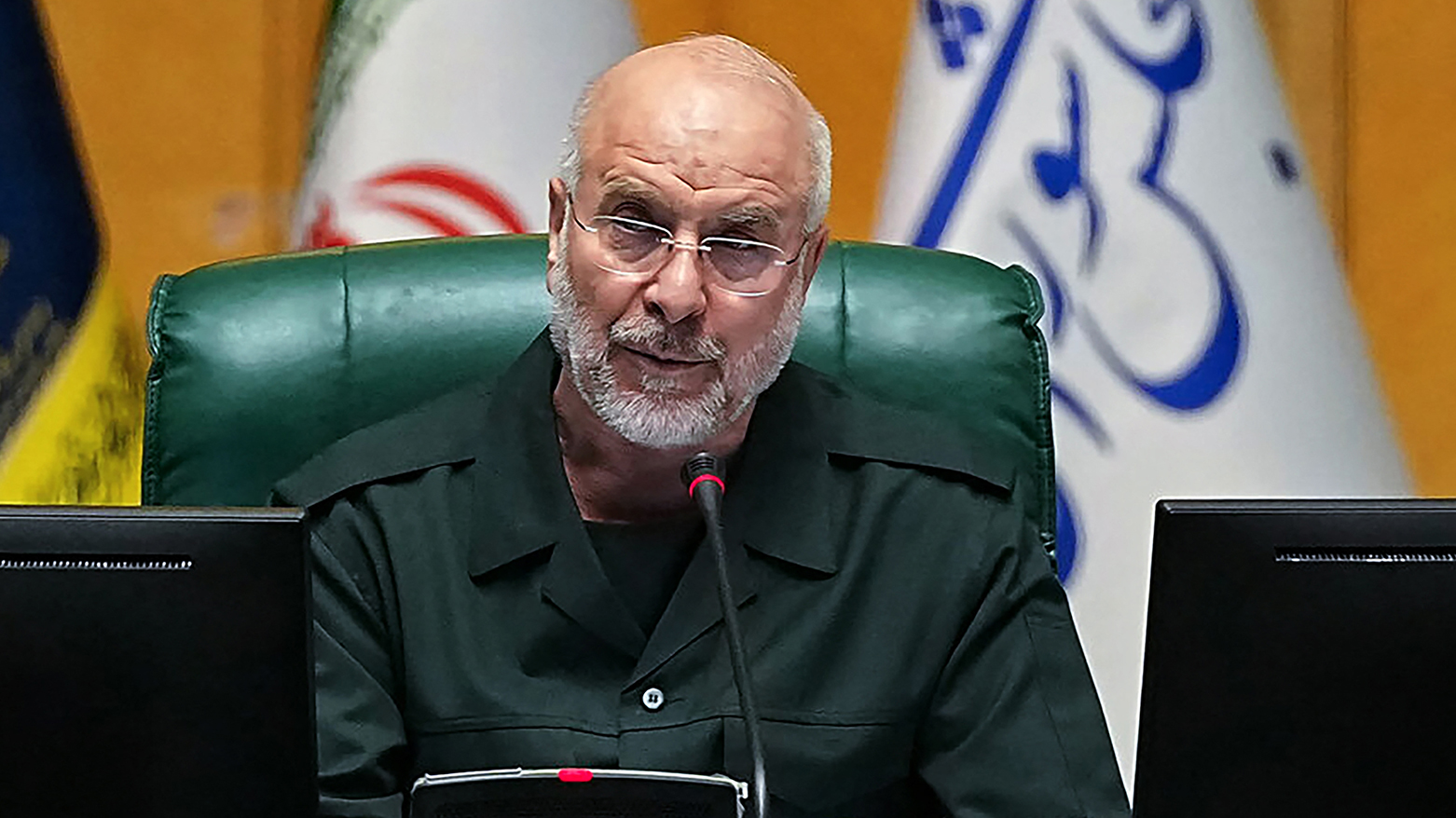
ERBIL (Kurdistan24) - Iranian Parliament Speaker Mohammad Baqer Qalibaf warned Sunday that U.S. ground forces would face fierce resistance if they enter Iranian territory, saying American attempts at negotiation mask plans for a military incursion.
“The enemy sends messages of negotiation in public while plotting for a ground attack in secret. By presenting a 15-point list, America has expressed its wishes, seeking what it failed to achieve through war. Our men are waiting for the ground entry of American soldiers to set their souls on fire,” Qalibaf said on the 30th day of what Iranian state media described as the "Iranians’ National Defense," IRNA reported.
Qalibaf’s statement emphasized Iran’s readiness to resist any U.S. ground incursion and framed the situation as part of a broader global conflict. He called on citizens to maintain public vigilance, urging participation in street demonstrations and continued support for Iranian military and missile operations.
“Do not abandon the street, for the missile, the street, and the Strait have squeezed the enemy’s throat,” Qalibaf said, referencing both missile deployments and the strategic Strait of Hormuz.
The message, delivered as Iran marks 30 days of war, follows a period of escalating tensions in the region.
U.S. efforts to reopen the Strait of Hormuz have been cited as a central objective by both Iranian officials and external reporting, including The Times and The Sunday Times, which noted U.S. and allied deployments in the area.
American forces, including approximately 3,500 Marines and sailors aboard the USS Tripoli, have arrived in the Middle East with transport and strike fighter aircraft, amphibious assault assets, and tactical units, U.S. Central Command confirmed.
Iranian media characterized the current conflict as a “Ramadan War,” claiming significant blows to American prestige and precision strikes against Israeli positions.
Qalibaf cited these developments as evidence of Iran’s defensive capability and the effectiveness of its military operations. He stressed that victory is assured with national support and under the guidance of Iran’s Supreme Leader, Ayatollah Seyyed Mojtaba Khamenei.
“We are in the midst of a great world war. We are certain that with the support of the nation and under the guidance of our Vali-e Amr, we can punish America and make it regret so that it never again craves an attack on Iran,” Qalibaf said.
He further invoked religious and historical symbolism, urging citizens to emulate steadfastness and courage, likening the resolve of Iranian forces to the words and example of Amir al-Mu’minin, Imam Ali.
The speaker encouraged nightly gatherings for prayers and public demonstrations, reinforcing a unified front on both military and civilian fronts. Qalibaf also underscored the role of the Strait of Hormuz in Iran’s defensive strategy, calling it a pivotal point in resisting foreign incursions.
Other developments highlight the broader regional tensions.
According to The Times and The Sunday Times, British authorities are preparing to deploy the amphibious ship RFA Lyme Bay, retrofitted with autonomous mine-hunting drones, to the Strait of Hormuz. The ship’s deployment is designed to mitigate mine threats that have blocked commercial shipping since early March.
Additionally, U.S. officials have engaged in discussions with regional partners, including Pakistan, Türkiye, Saudi Arabia, and Egypt, regarding safe navigation and potential coordination for reopening the strait.
Iranian communications also referenced the role of energy markets and the disruption of global oil flows, emphasizing that American attempts to exert pressure through military and economic means have encountered operational setbacks.
Qalibaf framed these developments as demonstrating the resilience of Iranian forces and the population, and reiterated a refusal to concede to U.S. demands.
The speaker concluded with a call for unity and vigilance, instructing citizens not to abandon public demonstrations, to support the military and missile forces, and to uphold the authority of the Islamic Republic in all domains of conflict.