Israeli Forces Prepare for Prolonged Deployment in Southern Lebanon Amid Ongoing Cross-Border Hostilities
Israeli forces are establishing a prolonged presence in southern Lebanon to enforce a security buffer zone amid continuous Hezbollah attacks.
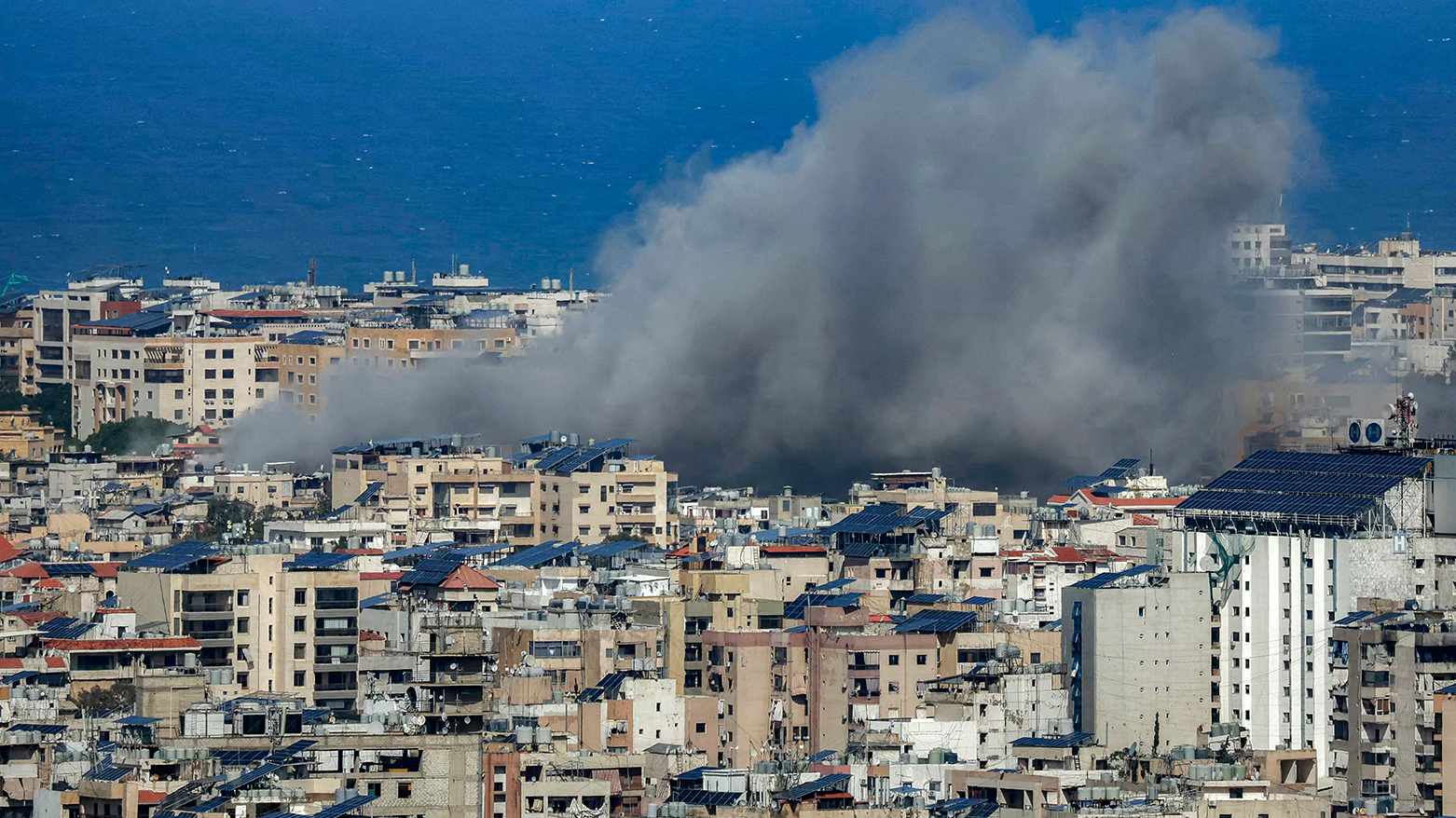
ERBIL (Kurdistan24) - One month into the ongoing military campaign against Iran and its regional allies, Israeli Defense Forces (IDF) operating in southern Lebanon are actively expanding a designated security zone, with military and defense officials indicating that troops are likely to remain deployed deep within Lebanese territory for months or potentially years, according to a report published by Ynet News.
The Israeli military's extended operational timeline is predicated on assessments regarding the Lebanese government's capacity to control armed factions within its borders.
A security official cited by Ynet News stated that the Lebanese government is currently unable to disarm Hezbollah.
Consequently, the official noted that the IDF’s presence deep inside Lebanese territory is expected to continue “for at least several months and possibly years.” Furthermore, defense officials indicated to the publication that even in the event a formal ceasefire is reached, the Israeli military is not expected to execute a complete withdrawal from the area.
The tactical environment in southern Lebanon remains highly volatile and perilous for the deployed forces.
According to the Ynet News report, Israeli troops on the ground are operating under heavy and continuous fire, which includes artillery barrages, rocket launches, and anti-tank missiles.
The operational reality provides soldiers with minimal reaction time; they often receive only seconds of warning before incoming fire strikes their positions, leaving little time to reach fortified shelters.
During these attacks, personnel who are able take cover inside armored vehicles, while others are forced to seek immediate protection behind natural rock formations or existing civilian buildings.
Since the initiation of the ground maneuver into Lebanese territory, the IDF has succeeded in pushing Hezbollah forces further back from the immediate border area. However, the Iran-backed group continues to launch sustained and coordinated attacks.
The Ynet News report details that Hezbollah forces are firing hundreds of rockets daily, targeting both deployed IDF units within Lebanon and civilian communities located across northern Israel. These rocket barrages are frequently supplemented by the deployment of unmanned aerial drones and precision anti-tank missiles.
The intense combat operations have resulted in casualties among the Israeli ranks; according to the publication, five soldiers have been killed during the fighting in southern Lebanon, and more than 30 have sustained wounds.
The primary strategic objective of the current IDF operation is the establishment of a comprehensive buffer zone located deeper inside southern Lebanon. This zone is specifically aimed at significantly reducing the volume and accuracy of fire directed toward northern Israel.
While Hezbollah fighters have largely avoided direct, close-quarters combat engagements with advancing Israeli infantry and armor, they maintain the capability to launch effective standoff attacks from a distance.
To secure the expanding buffer zone, the IDF is conducting systematic operations intended to establish absolute fire control over the designated area.
These operations involve the deliberate destruction of identified militant infrastructure and the systematic clearing of weapons caches. Soldiers participating in the offensive described the physical advance as methodical and, at times, slow.
They reported encountering limited direct infantry resistance but noted the persistent and significant threats posed by indirect fire from Hezbollah positions. Illustrating the intensity of the clearance operations, one soldier quoted by Ynet News stated, “We flatten what we can,” adding, “This is a combat zone that is being reshaped.”
The operational scope of the IDF campaign involves specialized units navigating difficult terrain. The IDF recently released footage demonstrating troops from its specialized Alpinist Unit conducting a complex cross-border operation.
According to official military statements, the operation involved traversing snow-covered mountainous terrain from the Syrian Hermon to Mount Dov. The objective was to locate and dismantle terrorist infrastructure, gather tactical intelligence, and prevent armed groups from establishing a permanent foothold along the border.
The sustained military engagement in Lebanon is creating logistical and personnel challenges for the Israeli defense establishment.
According to Ynet News, military officials have called upon political leaders to secure a diplomatic or strategic agreement that would definitively ensure Hezbollah is disarmed. However, substantial questions remain regarding the army’s institutional ability to sustain a prolonged, multi-front presence, particularly amid growing manpower challenges.
The IDF Chief of Staff recently issued a warning that the military could face significant institutional strain without implementing immediate changes to current conscription and reserve policies, specifically suggesting the extension of mandatory service periods and broader civilian enlistment.
At the political level, the Israeli government has not formally outlined its comprehensive, long-term objectives for the Lebanon campaign. However, leadership has consistently emphasized the immediate necessity of expanding the security zone to mitigate specific threats, including anti-tank fire and the potential for cross-border infiltration attacks.
Israel's Prime Minister Benjamin Netanyahu has publicly articulated a desire to fundamentally alter the strategic reality in Lebanon, explicitly linking the northern front to the broader, ongoing conflict with Iran. “The issue of disarming Hezbollah is before us,” the Prime Minister stated. “We are determined to do everything to change the situation in Lebanon at its core.”
Israeli officials have also described a highly ambitious operational goal of systematically clearing southern Lebanon of all hostile weapons up to the Litani River, which runs approximately 30 kilometers north of the Israeli border, and maintaining long-term operational control over key geographic areas.
Despite the intense military pressure, Israeli officials assess that while Hezbollah has been weakened, the organization retains significant operational capabilities, heavily augmented by weapons supplied directly by Iran in recent months.
The conflict has resulted in significant casualties and displacement across Lebanon. The Lebanese Health Ministry reported that Israeli airstrikes have killed 1,189 people in the country since the start of the current hostilities on March 2. This toll includes numerous civilians, paramedics, and journalists.
Notably, the IDF confirmed the targeting of Ali Hassan Shaib, an individual the military claims operated as an intelligence asset for Hezbollah's Radwan Force under the guise of a journalist for the Al Manar network.
The ongoing violence has also led to mass displacement; according to Israeli estimates cited by Ynet News, more than 600,000 residents have been displaced from southern Lebanon, a demographic shift that officials suggest could influence future diplomatic negotiations by increasing domestic pressure on Hezbollah.
Diplomatically, Israel is actively working to ensure that any potential future ceasefire agreement with Iran is not conditionally tied to halting IDF operations in Lebanon. Conversely, Iran has sought to establish a direct strategic linkage between the two fronts.
Western diplomats noted that the United States is currently concentrating its diplomatic and military focus on Iran and has afforded Israel relative freedom of action in Lebanon, with the explicit condition that military strikes avoid targeting essential Lebanese civilian infrastructure.
While some officials acknowledge the possibility that U.S. diplomatic pressure could eventually constrain Israeli operations in the north, others suggest that various regional actors may quietly support continued, decisive military action against Hezbollah's established power structures.