Israel FM Says Iranian Envoy Still ‘Drinking Coffee’ in Beirut After Expulsion Deadline
Lebanon declared Iran’s ambassador persona non grata, ordering him to leave by March 29. Israel’s FM said the deadline passed, yet the ambassador was seen in Beirut this morning, “drinking his coffee in Beirut and making a mockery of the 'host' country."
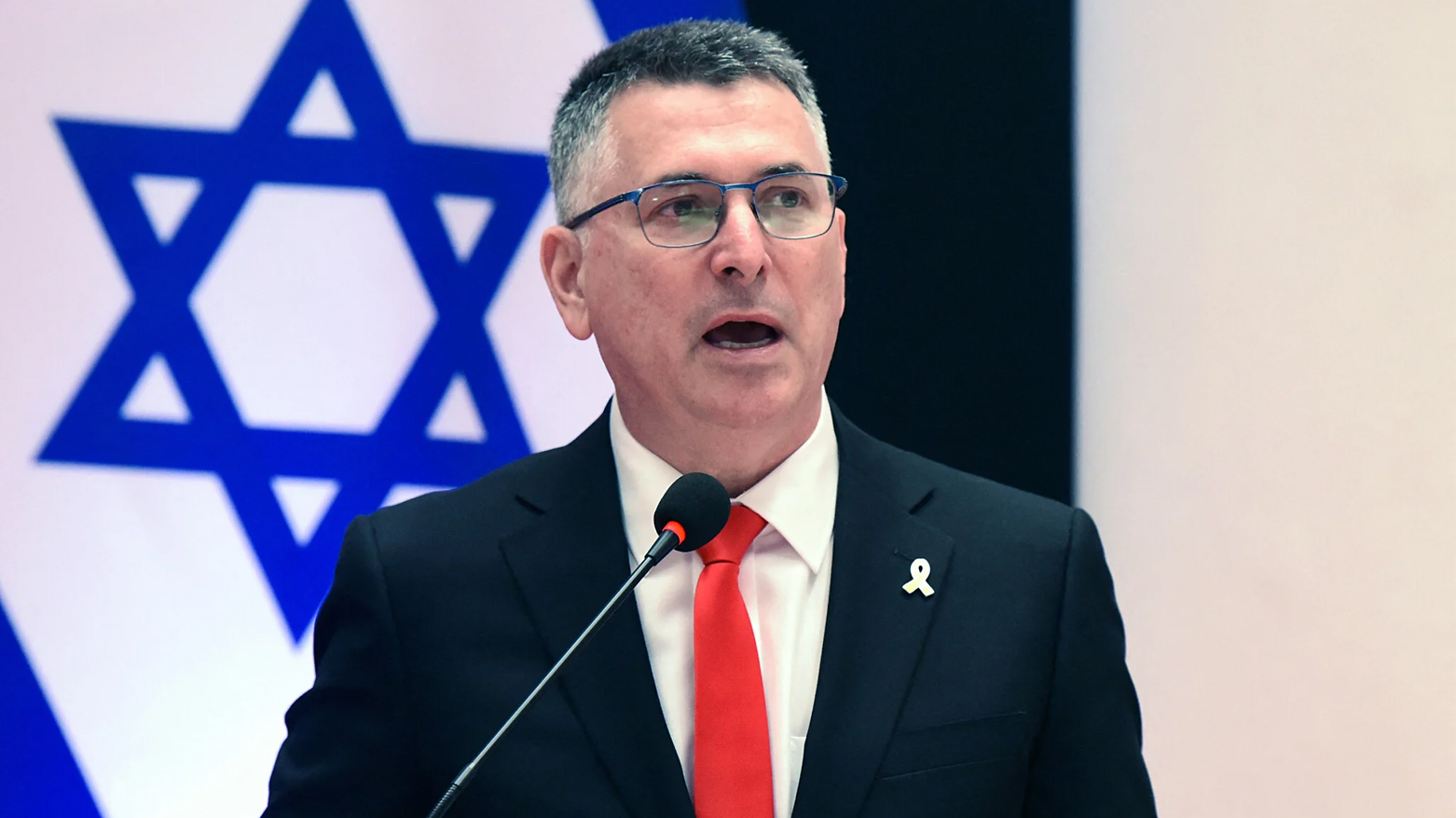
ERBIL (Kurdistan24) - Israeli Foreign Minister Gideon Sa'ar stated on Monday that the Iranian ambassador-designate to Lebanon remains in Beirut despite the expiration of a formal expulsion order issued by the Lebanese government.
In a statement published on his official X account, the Israeli official characterized the envoy's continued presence as a demonstration of Iran's functional control over Lebanon.
"Last week, the Lebanese Foreign Ministry ceremoniously declared the Iranian ambassador 'persona non grata' and allocated time for his expulsion," Sa'ar wrote on the social media platform. "That time expired yesterday, on 3/29. This morning, the Iranian ambassador is drinking his coffee in Beirut and making a mockery of the 'host' country."
The Israeli Foreign Minister utilized the diplomatic impasse to highlight the broader political integration of Iran-backed factions within the Lebanese state apparatus. "Hezbollah ministers are still serving in the Lebanese government as well," Sa'ar noted, framing the political and diplomatic situation as an indicator of compromised sovereignty. "Lebanon is a virtual country that is effectively occupied by Iran. An overt occupation that almost no one talks about."
The diplomatic dispute centers on Mohammad Reza Shibani, the designated Iranian ambassador to Lebanon. The timeline referenced by Sa'ar originated from a formal directive issued the previous week by the Lebanese government. On Tuesday, March 24, Youssef Raggi, Lebanon’s Minister of Foreign Affairs, announced the decision to expel the Iranian diplomat.
In a statement posted to his official X account at the time, Raggi detailed the diplomatic procedure: “I instructed today the Secretary-General of the Ministry of Foreign Affairs and Emigrants to summon the Iranian Chargé d’Affaires in Lebanon to inform him of the decision to withdraw the agreement for the designated Iranian Ambassador, Mohammad Reza Shibani, declare him persona non grata, and request that he leave Lebanese territory no later than 29 March 2026.”
The expiration of the March 29 deadline without the envoy's departure prompted Sa'ar's renewed criticism. In his Monday statement, the Israeli Foreign Minister directly linked the diplomatic situation in Beirut to the ongoing military conflict occurring along the Israel-Lebanon border.
According to figures provided by Sa'ar in his X post, "5,000 missiles, rockets, and UAVs have been fired at Israel from Lebanese territory since March 2, when Hezbollah launched an attack in violation of the November 2024 ceasefire agreement."
Sa'ar specifically addressed the geographic origin of these attacks in relation to recent declarations by the Lebanese Armed Forces. He stated that a large portion of the munitions were launched toward Israel from areas south of the Litani River. He noted that this specific territory was an area "that the Lebanese army declared at the beginning of January to be under its 'operational control.'"
The Israeli Foreign Minister concluded his Monday assessment by stating, "Lebanon will not regain its sovereignty as long as the decision is not made in Beirut to confront the Iranian occupation and its proxy - Hezbollah."
Sa'ar had previously supported the initial Lebanese expulsion order. Following Raggi's announcement on March 24, Sa'ar used his X account to welcome the move, describing it as “a justified and necessary step against the state responsible for violating Lebanon’s sovereignty, for its indirect occupation through Hezbollah, and for dragging it into war.” In that earlier statement, he also urged the Lebanese government to take further action against Hezbollah representatives holding ministerial cabinet positions.
The diplomatic friction surrounding the Iranian envoy occurs against the backdrop of an intensifying war between Israeli forces and Hezbollah in southern Lebanon. The ongoing military conflict features fierce clashes around strategic border towns as both combatant forces expand their tactical operations.
Israeli ground and air units are currently conducting operations intended to dislodge Hezbollah from entrenched border positions and establish a formalized buffer zone extending up to the Litani River. In response, Hezbollah has vowed to maintain staunch resistance against the advancing forces, warning that deeper Israeli incursions pose a direct threat to Lebanese territorial integrity.
The sustained hostilities have resulted in severe civilian impacts across the affected regions. The conflict has precipitated mass displacement, with over a million individuals forced to flee their residences amid widespread infrastructural destruction. To date, international diplomatic initiatives aimed at halting the fighting and establishing a lasting ceasefire have not succeeded.
The initial decision by the Lebanese Foreign Ministry to expel Shibani was viewed by international observers as a rare and highly symbolic assertion of state sovereignty amid the compounding pressures of regional war and domestic political divisions. Brett McGurk, a former White House special envoy, noted at the time that the expulsion order "extraordinarily breaks a relationship long shaped by Iran’s influence inside Lebanon."
However, the reported failure to enforce the March 29 departure deadline has renewed scrutiny regarding the Lebanese government's capacity to execute sovereign diplomatic decisions concerning Iranian representatives operating within its borders.