Syria Intercepts Large-Scale Drone Attack Near Iraqi Border Amid Escalating Regional Conflicts
The Syrian military reported intercepting a large-scale drone attack near the Iraqi border on Monday, marking the most significant cross-border aerial assault since the regional war began.
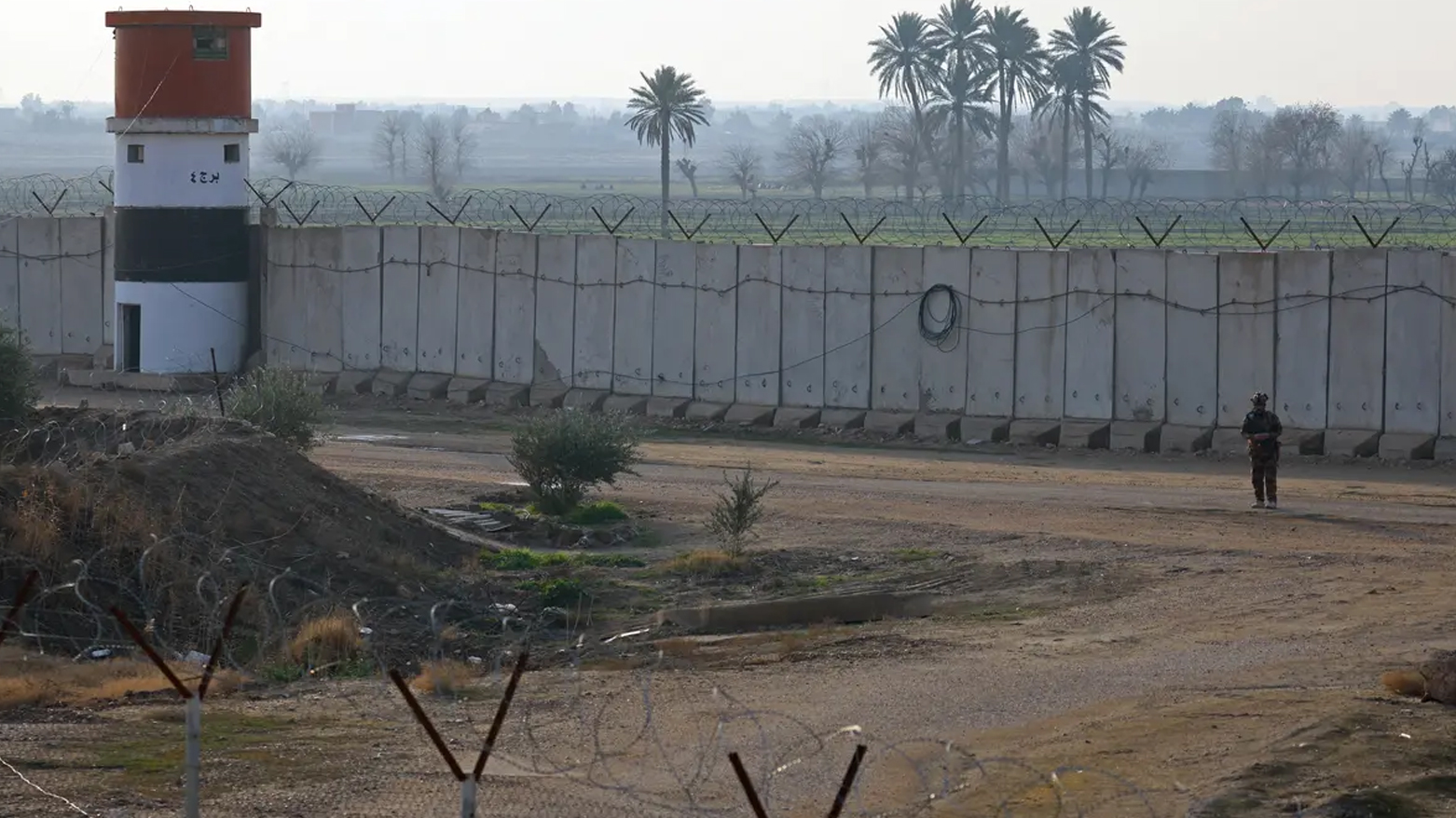
ERBIL (Kurdistan24) - The Syrian military announced on Monday that a large-scale unmanned aerial vehicle attack targeted multiple army installations situated near the border with Iraq, marking the most significant incursion of its kind since the outbreak of the ongoing Middle East war.
According to a dispatch from Agence France-Presse, Syrian defense authorities reported that the coordinated drone assault occurred at dawn, initiating a heightened state of operational alert across the eastern frontier.
In a formal communication detailing the early morning offensive, the Syrian army characterized the incident as a "large-scale attack by a number of drones targeting several army bases near the Iraqi border."
Military officials confirmed that national air defense systems were rapidly activated in response to the incoming aerial threat, successfully intercepting the majority of the unmanned vehicles before they could impact their intended military targets.
Following the successful interception of the cross-border drone fleet, the Syrian military issued a stern public warning regarding potential retaliatory measures.
"We are studying our options and will respond appropriately to neutralise any threat and prevent any aggression against Syrian territory," the army stated, underscoring the government's intent to secure its territorial sovereignty against further aerial incursions originating from neighboring jurisdictions.
The comprehensive dawn assault on Monday followed a rapidly escalating pattern of aerial hostilities directed at Syrian territory over the preceding seventy-two hours.
On Sunday, Sipan Hamo, the assistant defense minister for eastern Syria, disclosed details regarding a separate incident involving unmanned systems.
According to Hamo, a formation of four drones originating from Iraqi territory specifically targeted a United States military base located in Qasrak, situated within Syria. The assistant defense minister confirmed that defense forces successfully intercepted the four incoming drones before they could reach the facility.
While the precise identity of the actors who launched the Sunday attack on the Qasrak base remained immediately unconfirmed by defense officials, intelligence assessments indicated that the involvement of pro-Iran groups operating within Iraq is considered a primary possibility.
In response to the continued breaches of Syrian airspace, Assistant Defense Minister Hamo issued a direct diplomatic and security challenge to the authorities in Baghdad.
"We hold Iraq responsible and call upon it to prevent the recurrence of attacks that threaten our stability," Hamo stated, firmly placing the onus of border security and militant containment on the Iraqi federal government.
The weekend of heightened alert was preceded by another targeted incursion on Saturday. Syrian army officials reported that national defense forces repelled a drone attack launched from Iraq that was directed at Al-Tanf. The military installation at Al-Tanf is strategically notable as a base that previously housed United States armed forces.
The sequence of border incidents extends further back into the previous week, when another base located in northeastern Syria was similarly targeted by hostile forces.
Providing insight into the origin of that specific incursion, an Iraqi official confirmed to international media that an armed Iraqi faction was responsible for orchestrating the attack. Furthermore, the Iraqi official noted that regional security authorities had executed the arrests of four individuals in direct connection with the operation targeting the northeastern Syrian installation.
These persistent drone attacks against military infrastructure in eastern and northeastern Syria coincide with a significant realignment of American military posture within the region. In recent months, United States forces have executed a strategic withdrawal from several key positions across the Syrian theater.
American military personnel have formally withdrawn from the aforementioned Al-Tanf base, as well as from the Shadadi military facility located in the northeastern province of Hasakeh. Concurrently, U.S. forces had initiated a formal withdrawal process from the Qasrak base, which is also situated within the Hasakeh province and served as the target for Sunday's intercepted drone formation.
The escalating frequency of cross-border drone incursions is unfolding against the backdrop of a broader regional conflict that officially commenced on February 28. The ongoing Middle East war was precipitated by a combined United States and Israeli military attack directed at the Islamic Republic of Iran.
Throughout the progression of these regional hostilities, Syrian President Ahmed al-Sharaa has publicly maintained that his administration is actively working to keep the country out of any wider military conflict, attempting to insulate the nation from the expanding geopolitical fallout.
Despite the diplomatic intentions outlined by the Syrian presidency, the porous border with Iraq remains a critical vulnerability.
The broader conflict has inextricably pulled Iraq into the theater of war. Various pro-Iran Iraqi armed groups have systematically claimed responsibility for a series of coordinated attacks targeting United States interests both within Iraq and across the wider Middle Eastern region.