IDF Aims to Hit 70% of Iran’s Military Production Infrastructure
The IDF reiterated that it expects to complete strikes on major Iranian military production facilities by Wednesday as part of its ongoing campaign.
ERBIL (Kurdistan24) - The Times of Israel (ToI) reported that the Israeli military said Tuesday its air force would complete strikes on what it described as “critical” Iranian military production assets by Wednesday, targeting facilities tied to weapons development that Israel says threaten its security.
According to the report, the Israel Defense Forces (IDF) stated that by the following day it would have targeted all key sites associated with Iran’s military production industry that it considers essential, amounting to approximately 70% of the sector. The military said these facilities are involved in the development and manufacturing of weapons systems used against Israel.
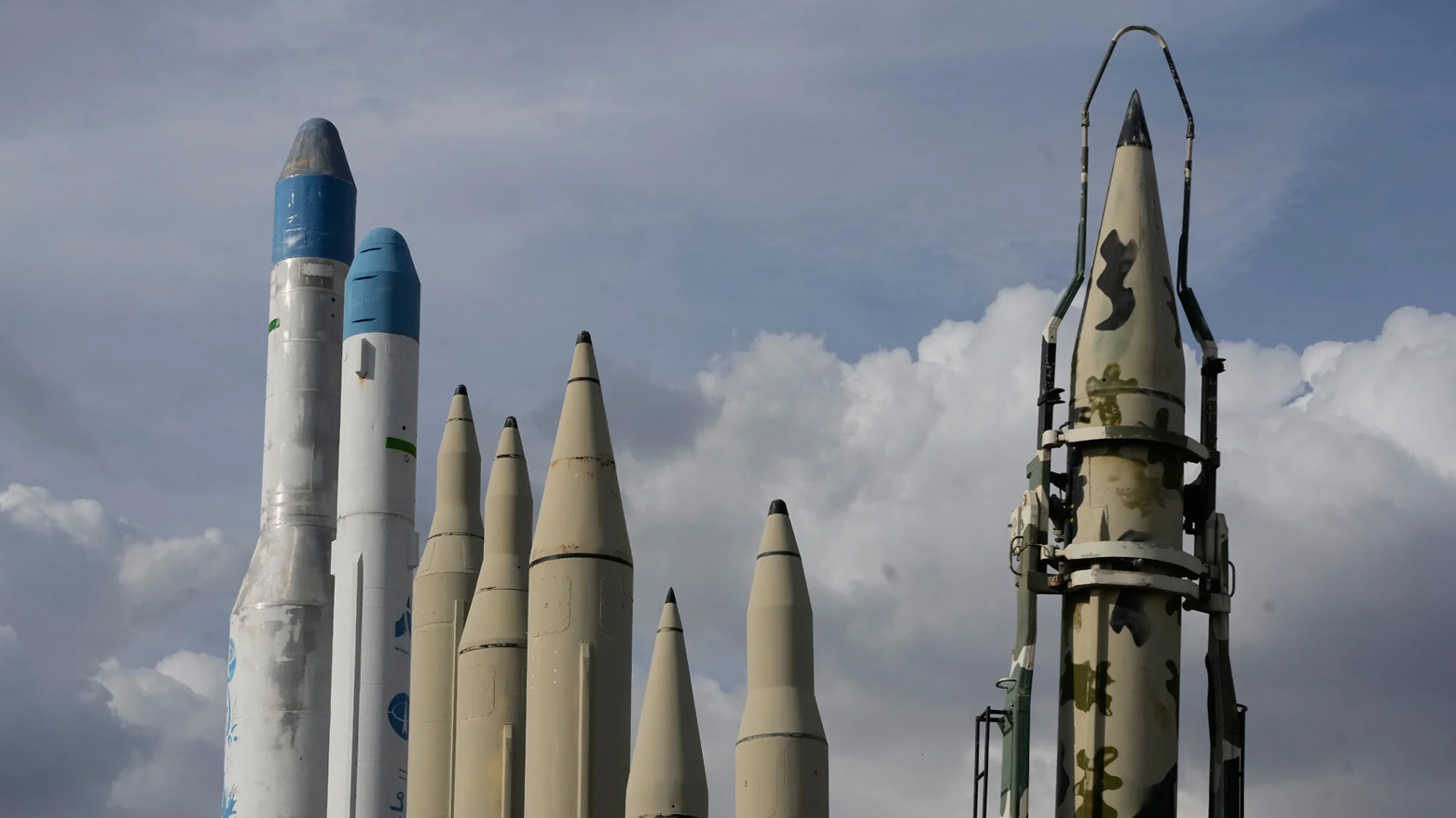
The IDF indicated that Iran’s defense industry is extensive and includes a network of military bodies and private companies engaged in producing a wide range of capabilities. These include ballistic missiles, air defense systems, naval weapons, cyber systems, and satellite technologies, according to the report.
Israeli military officials said the current phase of operations is focused on degrading what they described as the most significant components of Iran’s weapons production infrastructure. The ToI report noted that the IDF views these sites as central to Iran’s ability to sustain and expand its military capabilities.
In addition to the strikes on production facilities, the IDF said it would continue targeting other military objectives. These include ballistic missile launchers, air defense systems, and military personnel, as well as sites the military described as contributing to economic support for the Iranian government, according to the report.
The military further stated that less critical production sites could also be targeted in subsequent phases of the campaign. It added that preparations are underway for the possibility of several more weeks of sustained operations, the report said.
The announcement comes amid a broader escalation involving Iran, Israel, and the United States across multiple theaters in the region.
Earlier Tuesday, Iran’s Islamic Revolutionary Guard Corps (IRGC) said its naval forces had carried out a new wave of operations targeting U.S. and Israeli assets in the Persian Gulf and surrounding areas, according to Tasnim News Agency. The report said the operation, described as Wave 88 of what Iran calls Operation True Promise, involved coordinated missile and drone attacks.
Tasnim News Agency reported that among the targets was a commercial vessel identified as an Israeli-linked container ship in the central Persian Gulf. The agency also said drone strikes targeted a location where U.S. Marines were reportedly gathered near the coast of the United Arab Emirates.
Additional strikes targeted U.S. military-related systems in Bahrain, including an anti-drone system associated with the U.S. Fifth Fleet near Manama Airport and radar installations at the Ahmed al-Jaber military base, the agency reported.
The IRGC stated that the Strait of Hormuz remained under its control and warned that vessels it described as hostile could be targeted, according to Tasnim News Agency.
The escalation at sea has coincided with continued air operations inside Iran. Iranian media and international agencies reported casualties and infrastructure damage resulting from strikes across several cities.
According to reports cited by AFP, strikes in Tehran, Zanjan, and the Mahallat area of Markazi Province resulted in at least 40 people killed or wounded over a 24-hour period. Officials said residential areas were among the locations affected.
Tasnim News Agency reported that a strike in Mahallat killed at least 11 people and wounded 15 others, while an attack in Zanjan targeting an administrative building associated with a religious site left three people dead and 12 injured.
Iranian authorities also reported significant damage to infrastructure, particularly the electricity network in Tehran. The Tehran Province Electricity Distribution Company said hundreds of points in the grid were affected, with additional incidents recorded over the preceding day.
Kambiz Nazerian, a senior official at the company, said power had been restored to affected areas following repair work, according to Tasnim News Agency.
AFP reported that explosions and smoke were observed in multiple locations, including Isfahan, while damage was also recorded at a religious site in Zanjan. Residents in Tehran reported intermittent power outages, the agency said.
The broader regional situation has also affected maritime security and energy infrastructure. AFP reported that a Kuwaiti oil tanker caught fire at a port in Dubai following what was described as an Iranian attack.
The Strait of Hormuz, a key transit route for global oil shipments, has been subject to restrictions, with Iranian authorities controlling passage, according to AFP. The agency noted that some vessels have continued to transit under specific arrangements.
In Israel, emergency services reported minor injuries from falling debris following Iranian missile launches, while explosions were heard in multiple areas, including near Jerusalem, according to AFP.
Israeli officials have also reported casualties in other theaters. The military said four soldiers were killed in southern Lebanon during ongoing operations against Hezbollah forces on Tuesday.
Diplomatic activity has continued alongside the military escalation. AFP reported that Pakistan’s foreign minister has been engaged in efforts to facilitate dialogue between Washington and Tehran, with further discussions expected in Beijing involving Chinese officials.
Previous statements by U.S. President Donald Trump, cited by AFP and other outlets, indicated that U.S. forces could target Iranian energy and infrastructure assets if an agreement to end the conflict is not reached.
Financial analysts have described the situation as uncertain, with ongoing developments affecting global markets, particularly oil prices, according to AFP.
The Israeli military’s statement on completing strikes against key Iranian military production sites underscores the ongoing focus on what it describes as critical components of Iran’s defense infrastructure as hostilities continue across the region.