Iran Declines Limited Truce, Says 'Fully Prepared' for Ground War as Tensions Escalate
Iran rejects US proposals, refuses ceasefire without full war end, warns of ground conflict, while IRGC claims major drone and missile strike on US forces in Saudi Arabia causing heavy casualties.
ERBIL (Kurdistan24) - A sharp escalation in rhetoric and military claims unfolded, as senior Iranian officials issued stark warnings over the trajectory of the ongoing conflict, rejecting diplomatic narratives while asserting readiness for direct confrontation and announcing a major strike against US forces in Saudi Arabia.
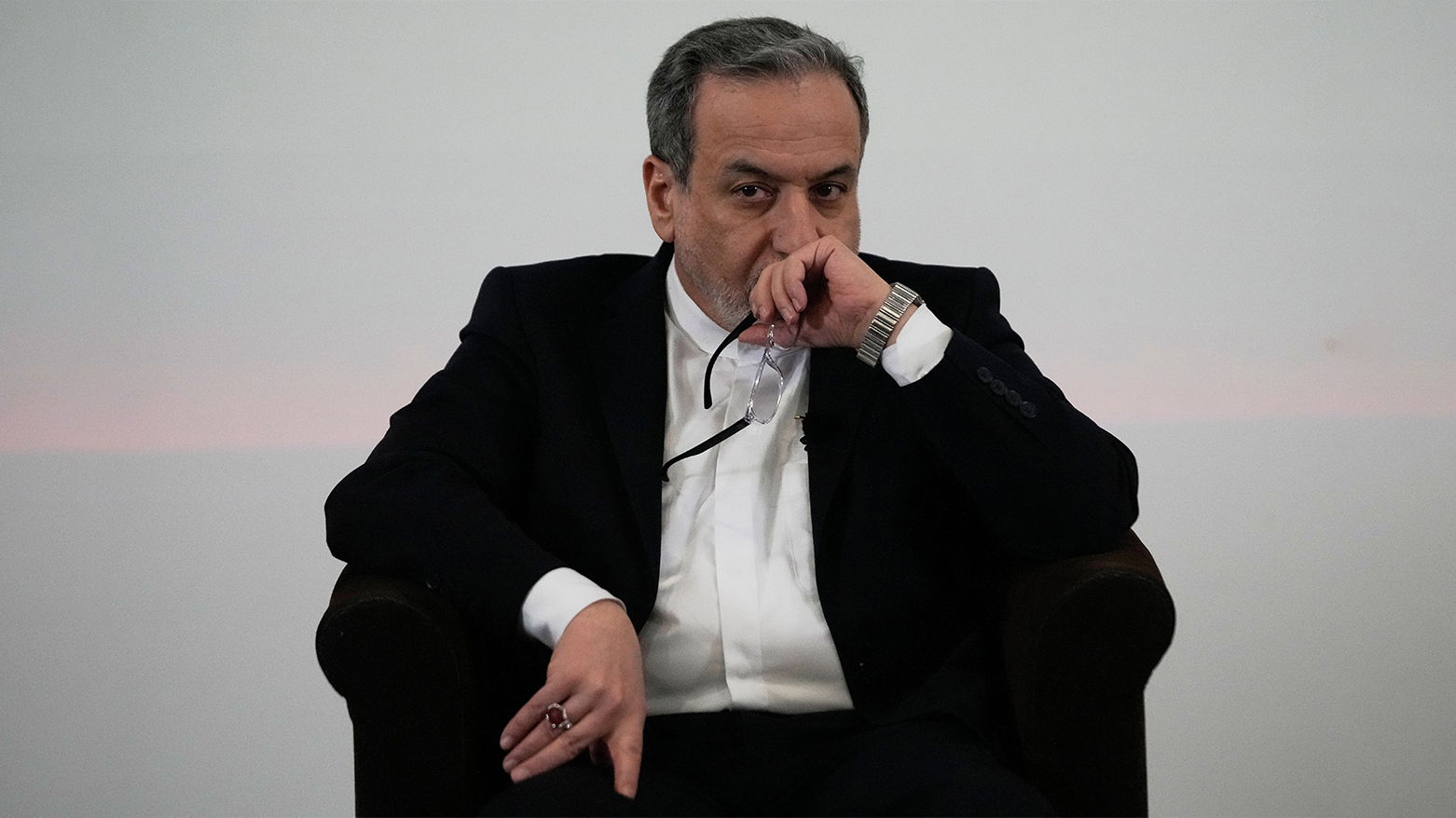
Iranian Foreign Minister Abbas Araghchi firmly dismissed reports suggesting Tehran had responded to a proposed 15-point plan by the United States, stressing that no such reply had been issued and no conditions had been presented by Iran.
Speaking on Tuesday, Araghchi clarified that messages transmitted to Tehran via Steve Witkoff, an envoy linked to Donald Trump, should not be interpreted as formal negotiations. He stated: “These messages are merely warnings or exchanges of views between the two sides through regional channels. There are no formal negotiations with any party, and the process of message exchange is conducted by the Ministry of Foreign Affairs in full coordination with security institutions.”
He further emphasized that Iran does not accept a ceasefire as a standalone outcome, reiterating that Tehran’s primary demand is a complete and comprehensive end to the war across the region. “We will not agree to a ceasefire alone,” he said. “Iran’s main demand is a total and definitive end to the war throughout the region.”
In a direct warning to the United States and Israel, Araghchi underscored Iran’s military posture, declaring: “Iran is fully prepared for any kind of ground confrontation. We hope our adversaries do not once again miscalculate, because our responses will be unexpected.”
His remarks come amid ongoing diplomatic exchanges and rising tensions, with Iran signaling deep skepticism toward initiatives associated with the Trump administration while preparing for what it describes as a potentially more severe phase of conflict.
In parallel developments, Brigadier General Majid Mousavi, commander of the Aerospace Force of Iran’s Islamic Revolutionary Guard Corps, announced that Iranian forces had carried out a coordinated drone and missile operation targeting US personnel in Saudi Arabia.
In a statement published on his official account on X on March 31, 2026, Mousavi said the attack targeted the residence of pilots and US Air Force teams in the Kharj region. He claimed that the operation resulted in approximately 200 personnel being hit, leading to deaths and injuries among a large number of US Air Force staff.
According to Mousavi, the strike extended beyond human losses, asserting that Iranian forces had also disabled critical systems, including airborne early warning and control platforms (AWACS), as well as several transport tankers and fuel depots in the targeted area.
Addressing US President Donald Trump and Defense Secretary Pete Hegseth directly, Mousavi added that they should now include the casualties and wounded from their air force teams in their official figures.
These statements collectively reflect an intensifying phase in the conflict, marked by hardened positions, rejection of limited diplomatic solutions, and competing narratives over military developments on the ground.
With Tehran rejecting ceasefire frameworks and asserting readiness for escalation while simultaneously announcing major strikes, the conflict appears to be entering a more volatile and unpredictable stage.