Iranian President Pezeshkian Appeals to Americans in Open Letter, Questions U.S. Foreign Policy Toward Iran
In the message, Pezeshkian argued that U.S. foreign policy may be driven by external influences rather than the principle of “America First,” suggesting that Washington risks becoming entangled in conflicts that do not serve its citizens.
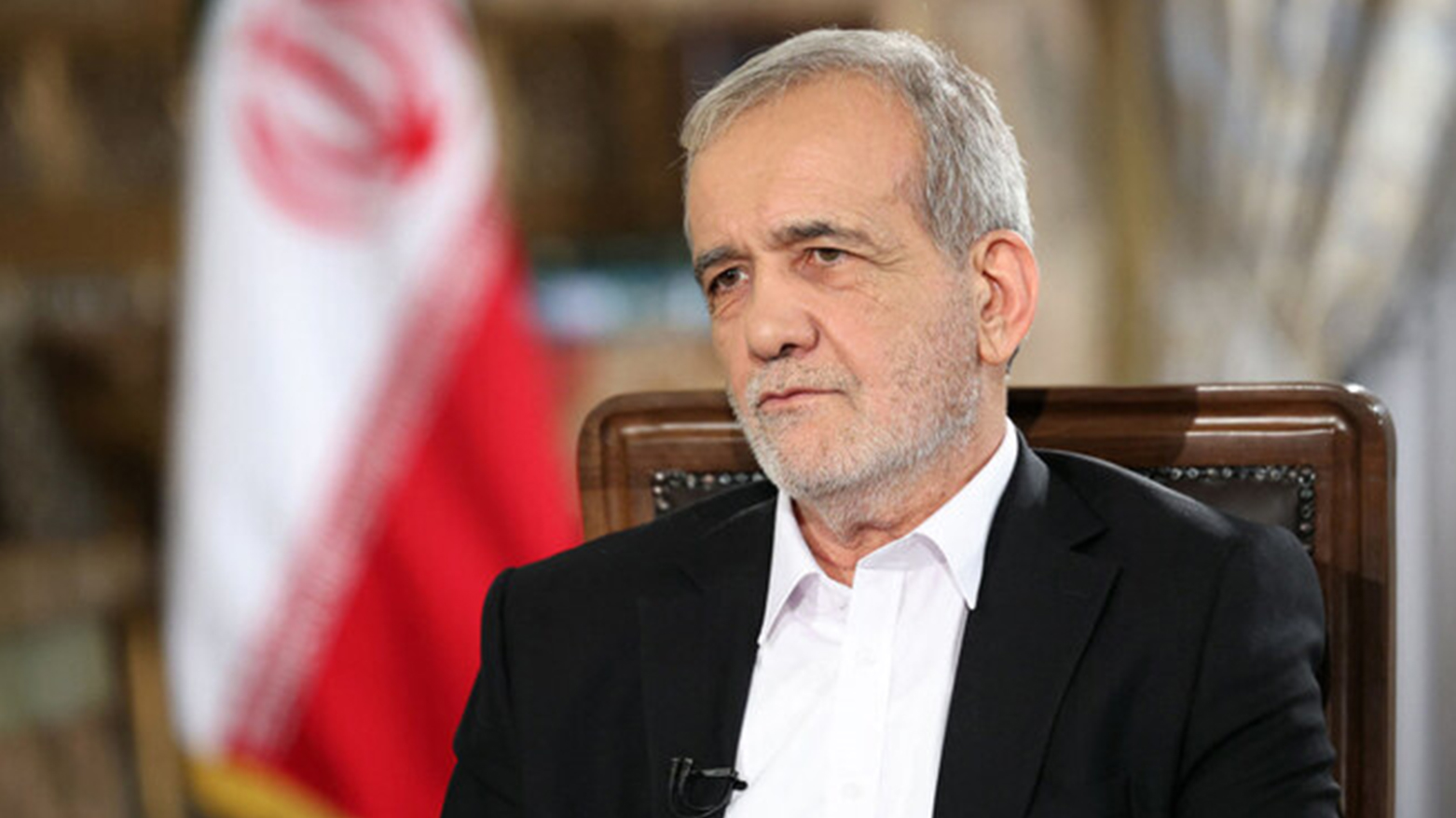
ERBIL (Kurdistan24) — Iranian President Masoud Pezeshkian on Wednesday issued an open letter addressed to the American public, urging a reassessment of Washington’s policies toward Iran and questioning whether the United States is acting in its own national interest.
In the message, Pezeshkian argued that U.S. foreign policy may be driven by external influences rather than the principle of “America First,” suggesting that Washington risks becoming entangled in conflicts that do not serve its citizens.
Pezeshkian contended that Iran’s portrayal as a regional threat has been “politically constructed,” arguing that such narratives are used to justify military spending and geopolitical strategies. He maintained that Iran has not initiated wars in modern history and presents itself as a longstanding civilization with a defensive posture.
Highlighting Iran’s internal progress, Pezeshkian pointed to improvements in literacy, healthcare, infrastructure, and technological development, which he said demonstrate the country’s resilience despite external pressures.
The letter also condemned recent strikes on Iranian infrastructure, including energy and medical facilities, describing them as harmful to civilians and detrimental to the United States’ international reputation.
Pezeshkian accused Israel of influencing U.S. policy in the region, alleging that such dynamics could draw Washington into a broader conflict while diverting attention from other regional issues.
Addressing American citizens directly, the Iranian president emphasized that Iran holds no hostility toward ordinary Americans. He encouraged the public to question the prevailing narratives and consider alternative perspectives, pointing to the success of Iranian diaspora communities abroad.
Concluding his message, Pezeshkian framed the confrontation as historically ineffective and called for a shift toward dialogue and engagement between the two nations, underscoring Iran’s willingness to pursue a more constructive path forward.