Over 70 Airstrikes Conducted Across Central, Western Iran, IDF Reported
The IDF says that it conducted over 70 strikes in central and western Iran on April 3, targeting ballistic missile launchers, UAV storage, and air defense sites.
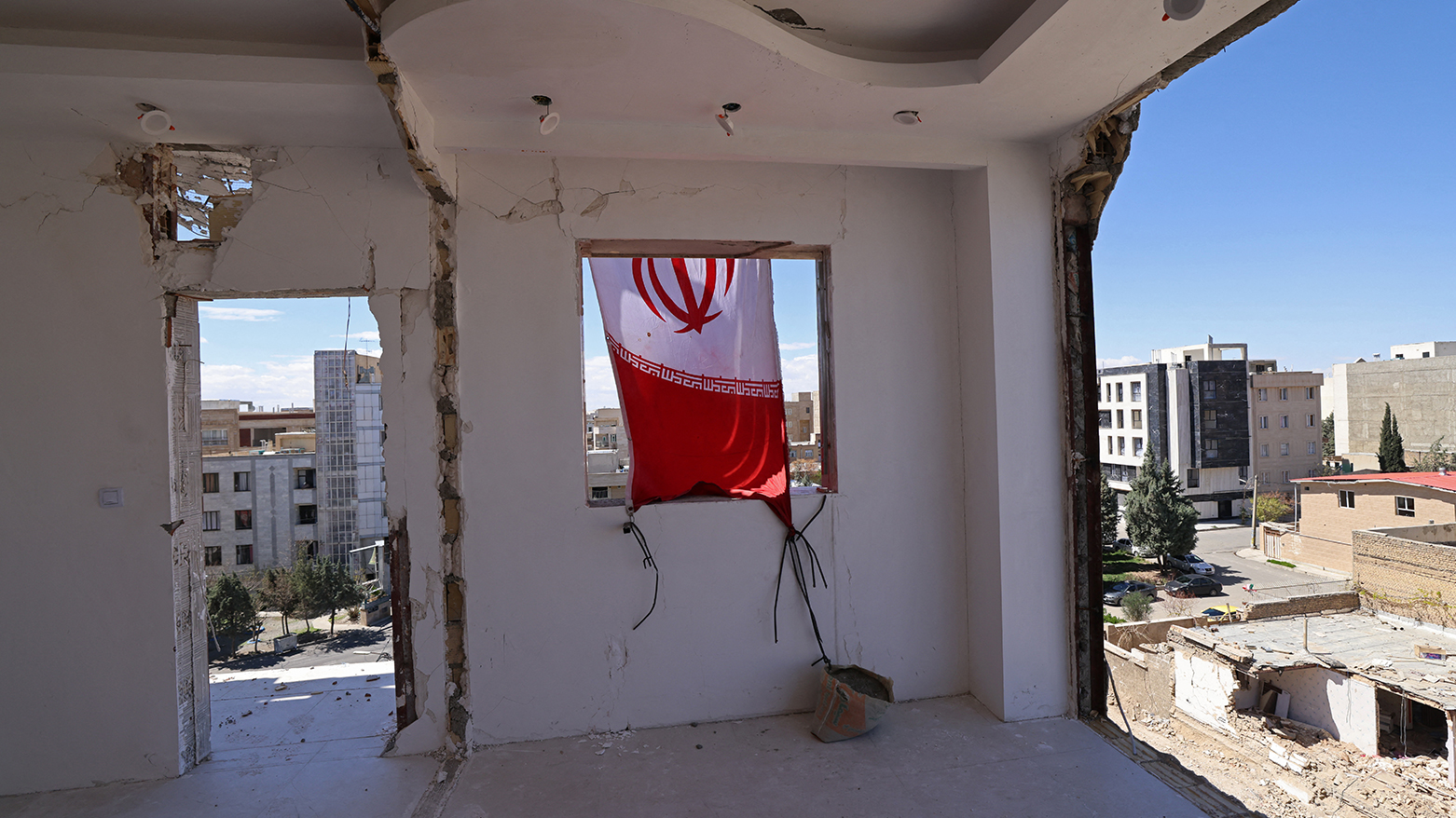
ERBIL (Kurdistan24) - The Israeli Defense Forces (IDF) reported that over the past 24 hours it carried out more than 70 airstrikes against Iranian military infrastructure in central and western Iran, including ballistic missile launch sites, unmanned aerial vehicle (UAV) storage facilities, and air defense systems, according to a statement posted on the IDF’s official Telegram channel on Friday.
The strikes were executed by the Israeli Air Force based on intelligence provided by the IDF, targeting multiple sites associated with what the military described as the “Iranian terror regime.”
The IDF statement said the strikes followed a series of operations in Beirut and marked the continuation of a broader campaign against what Israel identified as Iranian firepower and defense installations across Iran. “The IDF continues to strike the firepower and defense infrastructure of the Iranian terror regime throughout Iran,” the military said.
Among the locations hit were ballistic missile launchers considered capable of threatening Israeli territory, UAV storage facilities operated by the Islamic Revolutionary Guard Corps (IRGC) Air Force, and air defense system sites, the report added.
Iranian state media reported separately that a U.S. fighter pilot had ejected over southwestern Iran, urging local residents to assist security forces in locating the individual.
The incident reportedly occurred in Kohkilouyeh and Boyer-Ahmad province, a rural and mountainous area of approximately 15,500 square kilometers with a population near 600,000.
State television broadcasts displayed images of debris and circulating U.S. aircraft over the region, including helicopters, drones, and planes, and encouraged residents to hand over the pilot, with a promised reward for assistance. The U.S. Central Command, Pentagon, and White House did not immediately respond to requests for comment.
Concurrently, Iranian authorities extended the search for the alleged American pilot to neighboring Chaharmahal and Bakhtiari province, officials said.
Reports from Tehran highlighted civilian perceptions of the conflict, including accounts from residents describing streets near damaged buildings as eerily quiet while other parts of the city, such as commercial districts, remained populated.
One motorcyclist in her forties told the Associated Press she continued to navigate the capital as a form of civil resistance, observing both busy cafés and areas devastated by strikes.
The regional escalation coincided with ongoing operations in Lebanon, where Israeli strikes have reportedly killed 1,368 people since the start of the Israel-Hezbollah conflict on March 2.
The Lebanese Health Ministry reported that over the previous 24 hours, 23 people were killed and 98 wounded. Hospitals and emergency facilities have been affected, with 83 EMS centers reportedly damaged and 53 health workers among those killed.
A drone strike on Friday in the town of Sohmor, in eastern Lebanon, struck worshippers leaving a mosque, killing two and wounding 11, according to Lebanon’s state-run National News Agency.
Elsewhere in the Gulf, the United Arab Emirates’ Ministry of Defense said its air forces intercepted 18 ballistic missiles, four cruise missiles, and 47 drones over the past 24 hours. The debris from one interception led to at least 12 injuries in Abu Dhabi’s Ajban area, officials reported, including seven Nepali and five Indian nationals.
Authorities shut down the Habshan gas facilities after the incident. Kuwait reported similar disruptions, with Iranian drones striking the Mina al-Ahmadi oil refinery and a desalination plant, sparking fires and causing material damage, although no injuries were reported.
British officials condemned the attacks, with Prime Minister Keir Starmer expressing support for Kuwait and defense authorities deploying an air defense system to the country.
Amnesty International raised concerns over Iran’s deployment of children as young as 12 in the Revolutionary Guard’s Basij volunteer force, warning that participation in conflict zones places minors at risk of death or injury.
Erika Guevara-Rosas of Amnesty International stated that the use of child soldiers alongside Guard personnel at checkpoints and facilities targeted by U.S. and Israeli strikes constitutes a grave risk.
In parallel, French President Emmanuel Macron and South Korean President Lee Jae Myung affirmed cooperation to secure the safe transit of ships through the Strait of Hormuz, a crucial maritime passage for global energy supplies disrupted by the war.
Marine traffic data indicated that shipping through the strait had dropped by approximately 90% since March 1, with only about 150 vessels transiting, mostly from Iran, China, India, and Pakistan. Ukrainian President Volodymyr Zelenskyy offered assistance in protecting maritime routes if invited, citing prior experience securing the Black Sea under wartime conditions.
Former Iranian diplomat Mohammad Javad Zarif suggested terms for a ceasefire in Foreign Affairs magazine, proposing low-enriched uranium limits, a regional nuclear facility, the reopening of the Strait of Hormuz, and restoration of consular services between Tehran and Washington.
The U.S. has not responded to these proposals. Former CIA Director Bill Burns described the ongoing U.S.-Israeli campaign against Iran as a “war of choice” and expressed concerns about its impact on the stability and radicalization of Iran’s regime.
The IDF’s continued operations in central and western Iran, combined with regional incidents affecting civilian populations and critical infrastructure across Lebanon, the UAE, and Kuwait, underscore the escalating intensity of the conflict and its broad regional implications.