Diplomatic Dead Ends: Iran Spurns Pakistan Talks as Qatar Steps Back and War Grinds On
Iran rejected Pakistan's mediation bid and US ceasefire conditions on April 3, while Qatar also declined its lead mediator role. Türkiye and Egypt have stepped in, proposing Doha or Istanbul as alternative venues to rescue stalled ceasefire negotiations.
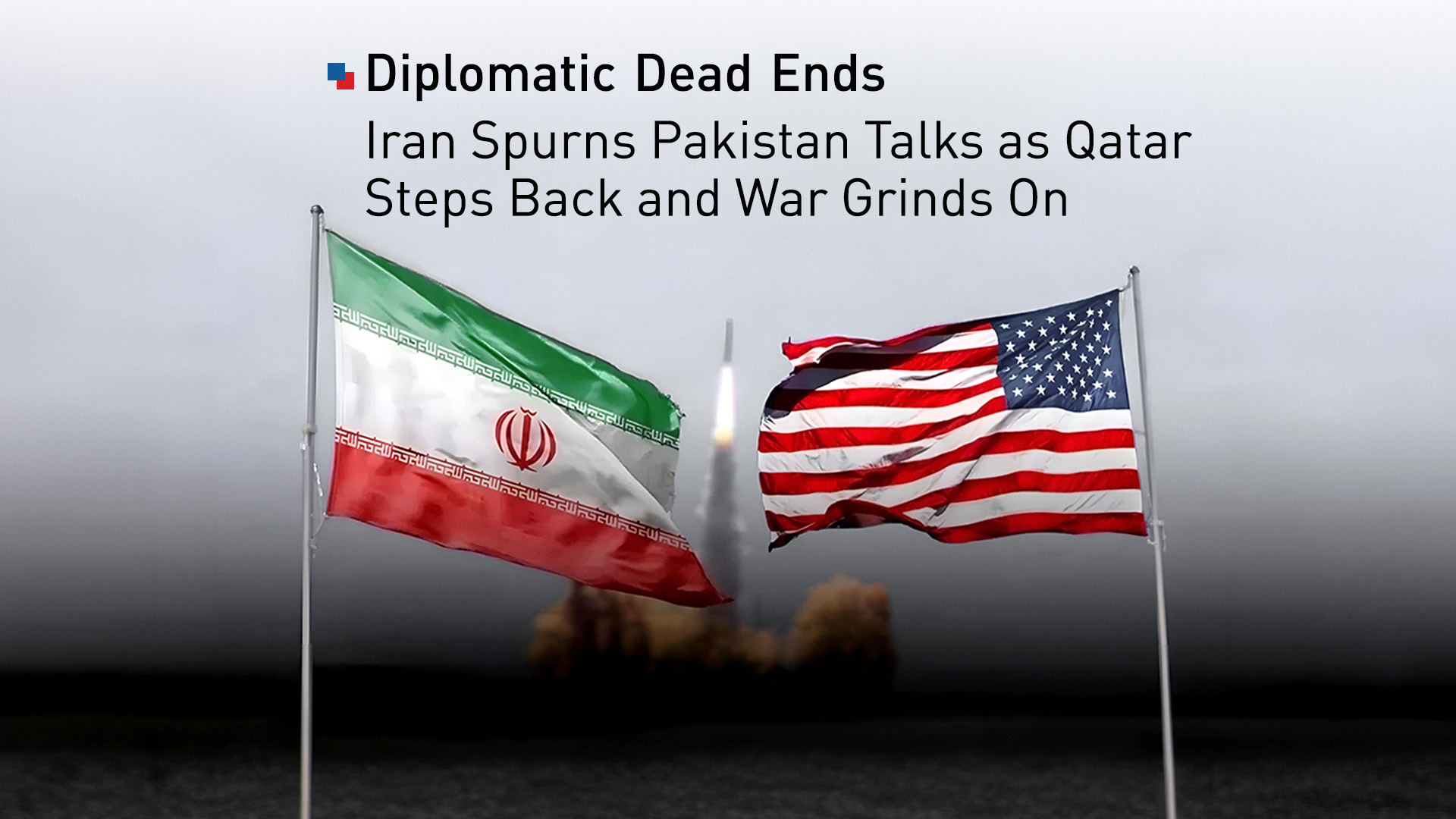
ERBIL (Kurdistan24) - The diplomatic road to ending the war between the United States and Iran grew significantly narrower on Friday. The Wall Street Journal revealed that Pakistan's mediation initiative between the two countries has collapsed after Tehran formally refused to hold any talks in Islamabad — a major setback that has exposed the profound mistrust now defining relations between the two warring sides and raised serious questions about whether any ceasefire path remains viable.
According to the Wall Street Journal's report, Iran did not merely reject the proposed venue. Tehran simultaneously rejected a set of core US conditions for ending the war, signaling that the divide between the two sides runs far deeper than a disagreement over where to meet. The Iranian position reflects the depth of the existing divisions and a fundamental absence of confidence in the mediation initiatives being put forward by countries across the region.
Qatar steps back from a key role
The collapse of Pakistan's effort was compounded by a second blow to diplomatic hopes reported by the Wall Street Journal on the same day. Qatar, long regarded as the primary communications bridge between Tehran and Washington, informed American officials last week that it has no desire to serve as the lead mediator or to spearhead efforts toward a ceasefire agreement. The Doha government's refusal came in response to pressure from Washington and regional states pushing it to take on a central role in the negotiations. Diplomatic sources described Qatar's withdrawal as a significant setback, given Doha's unique position as a trusted intermediary between the two sides. With both Islamabad and Doha now out of the picture, the field of available mediators has narrowed considerably.
Türkiye and Egypt step into the void
With Pakistan's initiative deadlocked and Qatar stepping back, Türkiye and Egypt have entered the arena, seeking to breathe new life into the stalled negotiation process. The two countries are working to identify a new venue for bringing the parties together, with Doha and Istanbul both proposed as possible alternatives to Islamabad. Diplomatic sources indicate that Ankara and Cairo are in the process of developing new and more flexible proposals aimed at persuading Iran and the United States to return to the negotiating table.
These efforts are unfolding against a backdrop of mounting urgency. The human and economic costs of the conflict have reached alarming levels, and the international community is intensifying its calls for a ceasefire before the situation spirals entirely beyond control.