Iran Allows 15 Ships to Transit Strait of Hormuz Amid Ongoing Restrictions
According to the agency, the ships were granted permission to transit the strategic waterway after coordinating with Iran, underscoring Tehran’s continued control over maritime access in the area.
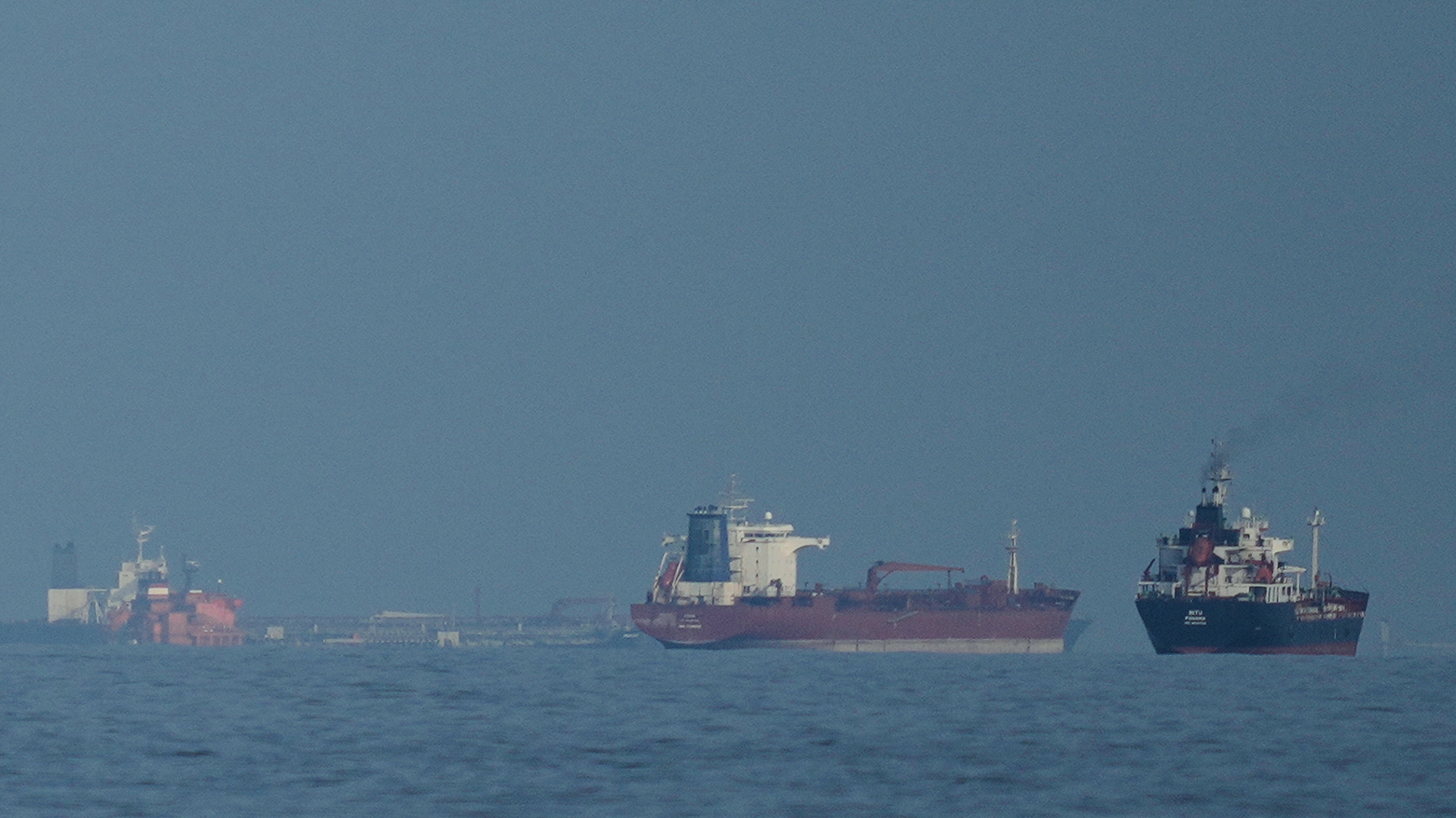
ERBIL (Kurdistan24) – Iran’s Fars News Agency reported on Monday that 15 vessels successfully passed through the Strait of Hormuz over the past 24 hours, following authorization from Iranian authorities.
According to the agency, the ships were granted permission to transit the strategic waterway after coordinating with Iran, underscoring Tehran’s continued control over maritime access in the area.
The Strait of Hormuz, a critical global oil corridor linking the Persian Gulf to international waters, has been under what observers describe as a de facto Iranian blockade since the outbreak of the 2026 Iran War.
Despite its status as an international shipping lane, maritime traffic through the strait has sharply declined. Daily vessel movements have dropped by an estimated 95 percent—from around 138 ships per day to only a limited number of transits.
Analysts attribute the decline to a combination of security threats, including naval mine deployments, intermittent attacks on vessels, and Iran’s implementation of a selective passage system.
Under current conditions, Iran permits only ships from what it considers “friendly” or “non-hostile” nations—including China, Russia, Iraq, and Pakistan—to pass, typically requiring prior approval and, in some cases, naval escort.
The situation continues to raise concerns over global energy supplies and maritime security, as the Strait of Hormuz remains one of the world’s most vital chokepoints for oil transportation.