Iran Reviewing Peace Proposal but Not Open to 'Temporary Ceasefire,' Official Says
The United States and Iran are reviewing the Islamabad Accord framework as efforts continue to achieve a ceasefire and outline the conditions of a broader settlement, Reuters reported.
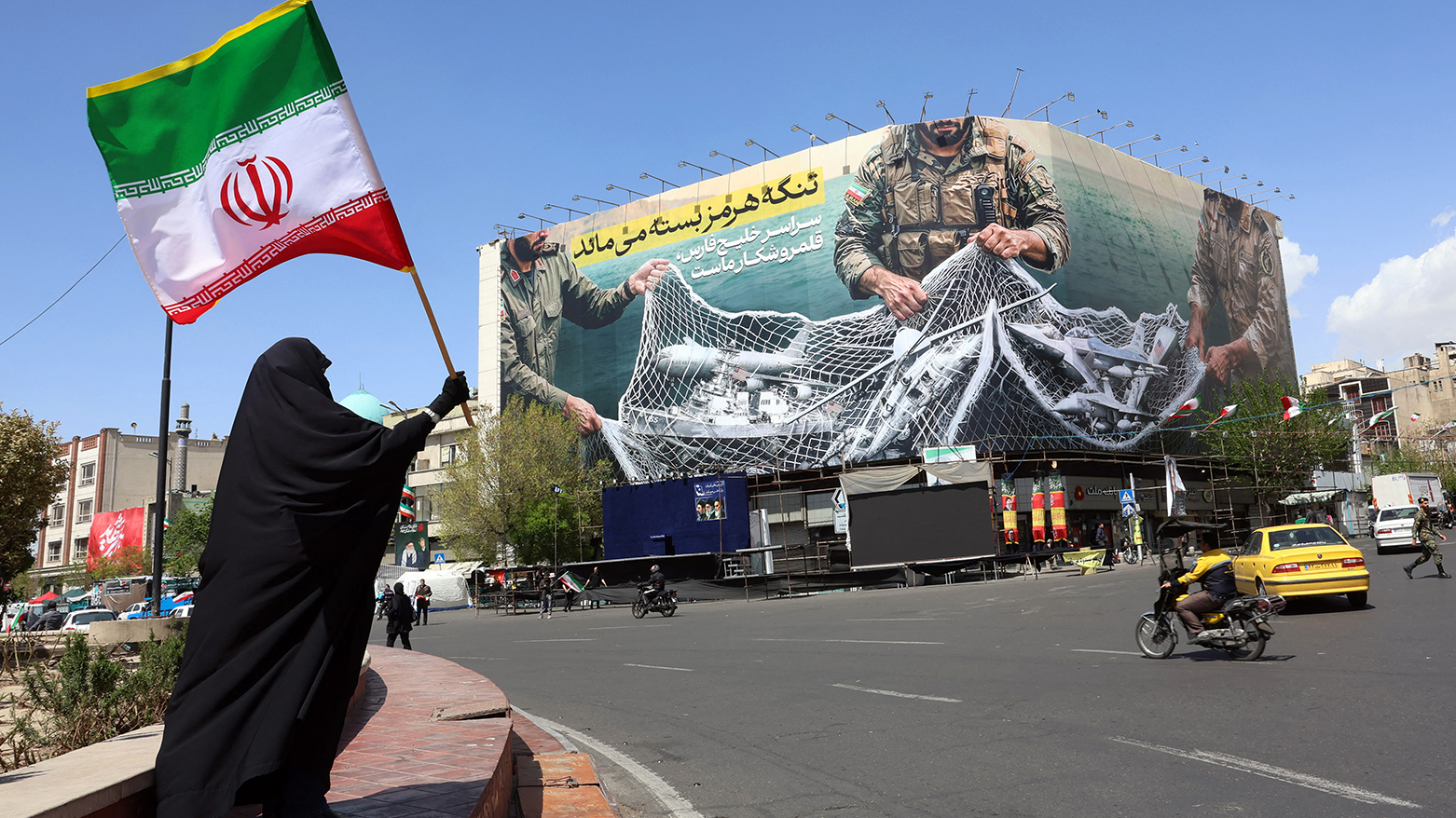
ERBIL (Kurdistan24) - The United States and Iran have received a framework for a plan to end hostilities, according to multiple sources and reporting by Reuters, amid ongoing military operations and diplomatic efforts in the region. The proposed arrangement, described by officials familiar with the negotiations, outlines a two-stage approach featuring an immediate ceasefire followed by a comprehensive settlement.
Pakistan’s army chief, Field Marshal Asim Munir, has reportedly been in continuous contact with U.S. Vice President JD Vance, special envoy Steve Witkoff, and Iranian Foreign Minister Abbas Araqchi to coordinate the plan, Reuters noted.
The initiative, provisionally named the “Islamabad Accord,” is designed to implement a ceasefire potentially within 24 hours and establish a broader agreement over the following 15 to 20 days.
Sources indicated the framework envisions reopening the Strait of Hormuz immediately as part of the ceasefire, although Iranian officials have told Reuters they will not reopen the waterway under a temporary arrangement or accept deadlines as conditions for the deal.
U.S. and Iranian officials have not issued immediate responses regarding the proposal, Reuters reported.
Pakistan’s foreign office spokesperson, Tahir Andrabi, declined to comment on the ongoing discussions. Two Pakistani sources cited by Reuters noted that Iran has yet to commit to the proposed ceasefire despite intensified diplomatic outreach involving Pakistan, China, and the United States.
The proposal has been structured as a memorandum of understanding, to be finalized electronically through Pakistan, which is serving as the primary communication channel in the negotiations, Reuters said.
The framework also includes a regional dimension for the management of the Strait of Hormuz, with final in-person talks anticipated in Islamabad to complete the broader settlement.
The final agreement is expected to incorporate Iranian commitments not to pursue nuclear weapons in exchange for sanctions relief and the release of frozen assets, Reuters reported.
The plan emerged a day after U.S. President Donald Trump issued a public warning on his Truth Social platform, stating that Tehran would face further attacks on energy and transport infrastructure if it failed to reopen the Strait of Hormuz.
The post included explicit language threatening escalatory measures unless Iran reached an agreement promptly, according to Reuters coverage.
Military operations have continued across the region, more than five weeks after U.S. and Israeli strikes began against Iran. Reuters photographers on the ground documented emergency personnel responding to missile impacts in Tehran and Haifa, Israel, as hostilities persist.
The attacks have resulted in thousands of casualties and significant economic disruptions, particularly in energy markets. Iran has responded by effectively closing the Strait of Hormuz and targeting U.S. and Israeli military facilities, as well as regional energy infrastructure.
Axios first reported on Sunday that mediators were discussing a potential 45-day ceasefire as part of a two-phase deal that could lead to a permanent resolution of the conflict, citing U.S., Israeli, and regional sources.
Reuters reporting corroborates that the immediate ceasefire is intended to halt hostilities while negotiations continue toward a final settlement encompassing regional security arrangements, nuclear restrictions, and sanctions relief.
Iranian officials have emphasized that any ceasefire must be permanent and include guarantees against further attacks from the United States and Israel, Reuters reported.
Communications from mediators—including Pakistan, Türkiye, and Egypt—have been ongoing, reflecting a concerted effort to secure agreement amid intensifying hostilities and global energy market volatility.
Analysts monitoring the region have highlighted the significance of the Strait of Hormuz, through which approximately one-fifth of the world’s oil and natural gas supply passes.
The current closure has raised concerns among international traders and policymakers over potential disruptions to energy flows.
In parallel with the diplomatic efforts, fresh aerial strikes were reported on Monday across multiple sites, continuing a pattern of escalation that has persisted throughout the conflict.
Emergency personnel were observed responding to incidents in Tehran and Haifa, Israel, where missile impacts have affected residential areas and critical infrastructure, Reuters photographers documented.
The Islamabad-mediated proposal represents the latest diplomatic attempt to de-escalate the conflict after several weeks of high-intensity military operations and threats from both sides.
While the framework outlines concrete steps for a ceasefire and subsequent negotiations, Iran has yet to formally accept the conditions, leaving the immediate outcome uncertain, Reuters noted.
Officials involved in the talks described the process as urgent, with the intention to reach initial agreement electronically before moving to in-person discussions.
The structured approach reflects the dual focus on halting hostilities quickly and addressing the broader regional and nuclear security issues through formalized negotiations, Reuters reported.
The central development remains the receipt and consideration of the two-tier peace plan by both Washington and Tehran, with Pakistan coordinating communications and serving as the primary channel for the ongoing diplomatic exchanges.