Iraqi Cabinet Approves Major Oil Export Expansion
The decisions were adopted during the cabinet's fourth regular session, chaired by Iraqi Prime Minister Ali al-Zaidi, where ministers reviewed the country's overall political, economic, and service-related conditions.
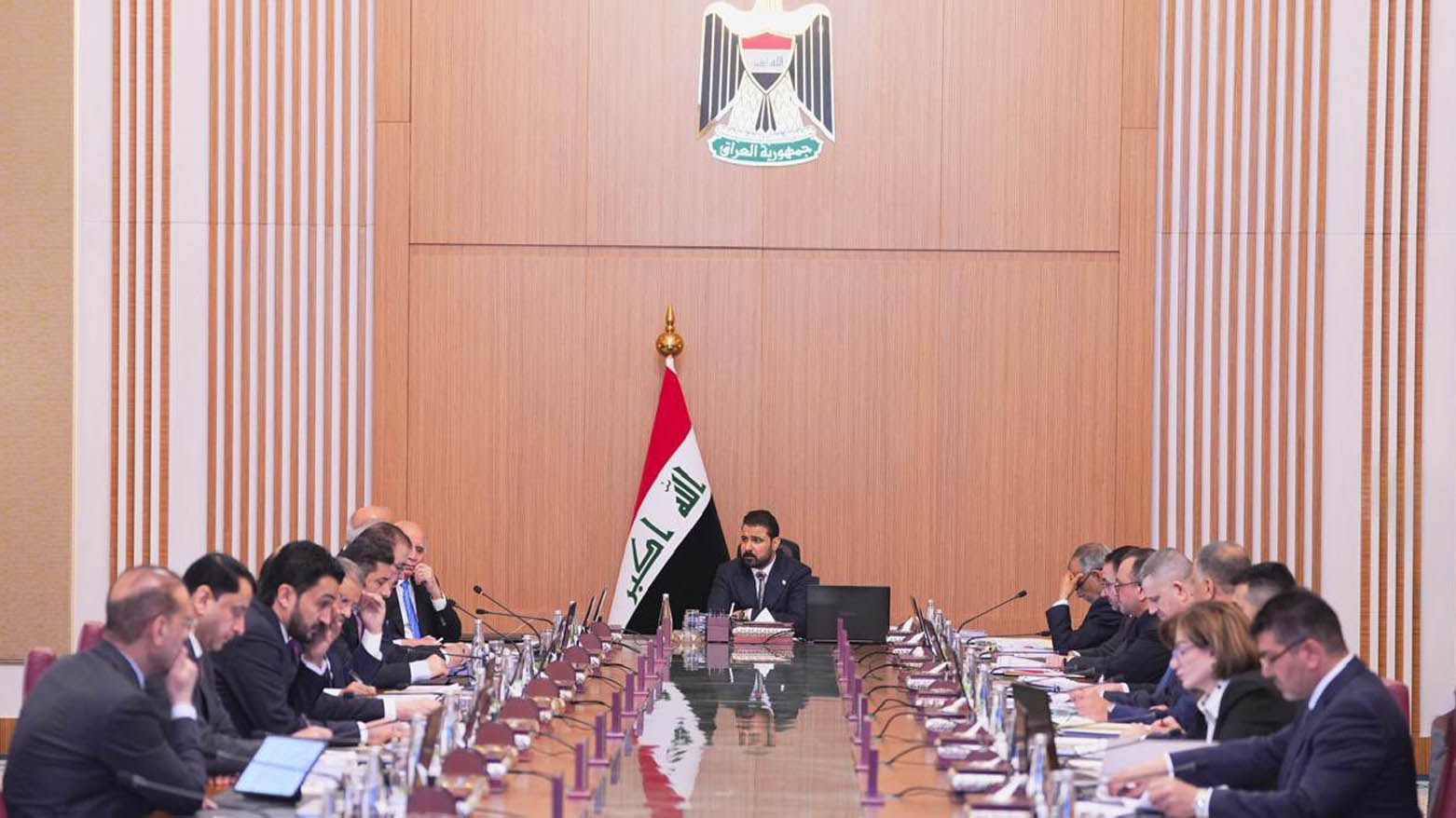
ERBIL (Kurdistan24) — Iraq's Council of Ministers on Tuesday approved a series of decisions aimed at advancing oil sector development, economic reforms, and administrative restructuring, including plans to raise crude oil exports to more than one million barrels per day through pipelines and tanker shipments.
The decisions were adopted during the cabinet's fourth regular session, chaired by Iraqi Prime Minister Ali al-Zaidi, where ministers reviewed the country's overall political, economic, and service-related conditions.
As part of efforts to increase export capacity, the Council approved the Ministry of Oil's proposal to significantly expand crude oil exports through pipelines, raising volumes from 220,000 barrels per day to 770,000 barrels per day within two and a half months.
The cabinet also endorsed plans to increase oil exports transported by tankers to neighboring countries to 420,000 barrels per day, further boosting Iraq's total export capacity.
In a related move, the Ministry of Oil was authorized to sign an agreement with Syria for the transportation and storage of Basra crude oil through the Mediterranean ports of Port of Baniyas and Port of Tartus. The ministry will establish a representative office at the two ports to oversee operations and facilitate exports.
The Council of Ministers also noted that the Ministry of Trade has been authorized to reorganize the distribution mechanism for Iraq's monthly food ration program. Officials said the measure is intended to reduce costs and ensure that assistance is directed primarily toward poor and low-income families.
The decisions form part of broader government efforts to strengthen public finances, improve service delivery, and expand Iraq's oil export infrastructure.