Iraq, KRG Agree on Unified Customs Policy and Joint Border Management
Adoption of ASYCUDA system and coordinated oversight aim to boost transparency and revenues amid regional instability
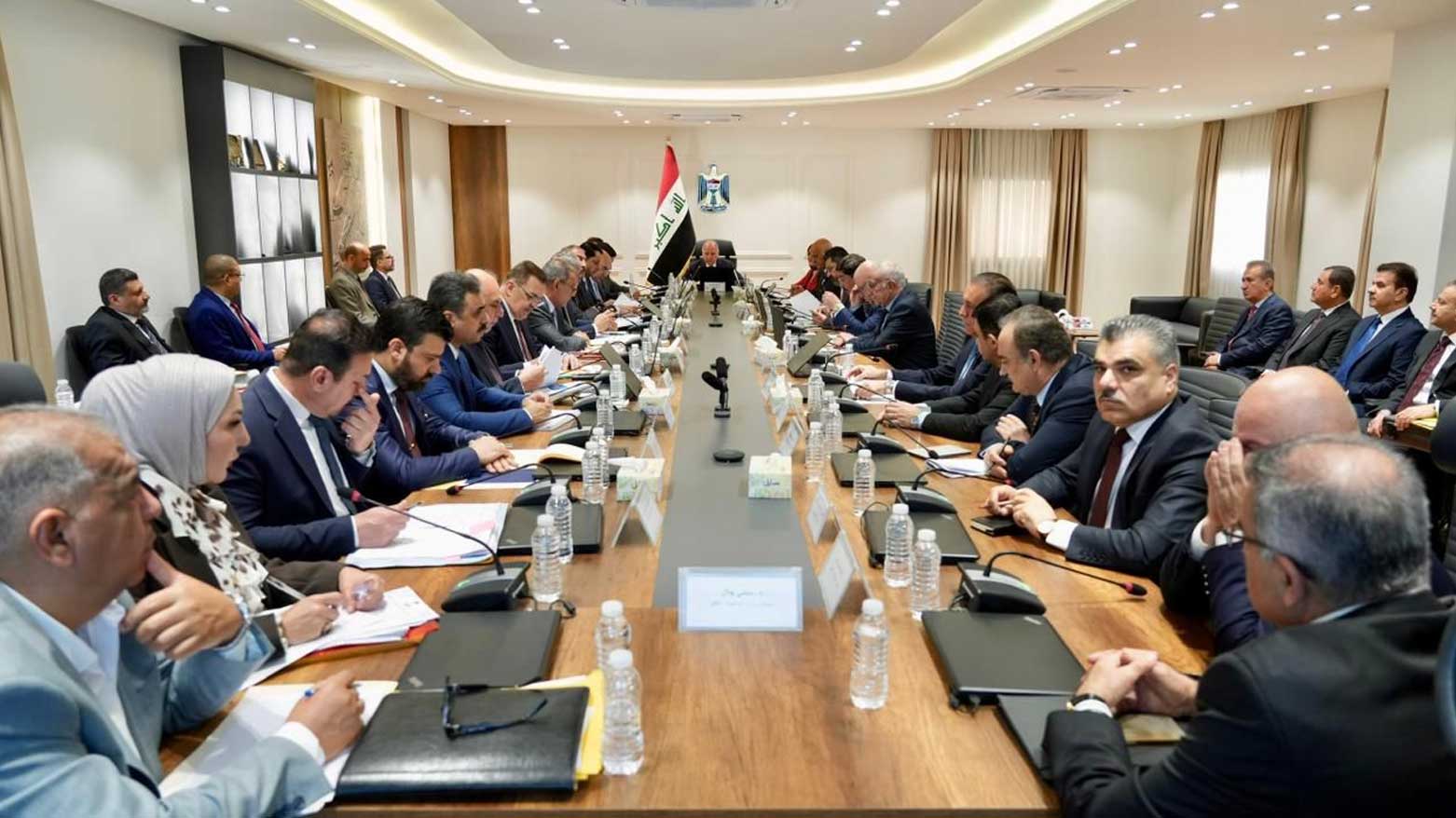
ERBIL (Kurdistan24) — Iraq’s federal government and the Kurdistan Regional Government (KRG) have reached a key agreement to unify customs policies and jointly manage border crossings, in a move aimed at strengthening economic coordination and improving revenue collection.
The agreement was finalized on Monday during the 13th meeting of Iraq’s Ministerial Council for the Economy, chaired by Deputy Prime Minister and Foreign Minister Fuad Hussein, with the participation of a high-level KRG delegation.
According to an official statement, discussions focused on harmonizing customs procedures across federal and regional border points.
Both sides agreed to standardize customs tariffs and enhance protections for domestic products, while maintaining that overall customs policy formulation will remain under the authority of the federal government.
A central component of the agreement is the implementation of the ASYCUDA electronic customs system at border crossings in the Kurdistan Region. The system is expected to streamline procedures, reduce inefficiencies, and improve transparency in customs operations.
Management of customs in the region will be conducted jointly between Baghdad and Erbil under the new framework.
The KRG delegation included senior officials such as the Secretary of the Council of Ministers, the Chief of Staff, the Head of the KRG Representation in Baghdad, as well as top customs and finance officials and representatives from chambers of commerce across Erbil, Sulaimani, Duhok, and Halabja provinces.
To operationalize the agreement, a technical team from the KRG’s General Directorate of Customs will coordinate with a national team from Iraq’s Ministry of Finance to develop mechanisms for unifying procedures.
These discussions will account for the Kurdistan Region’s legal and administrative specificities, with both sides expected to submit a joint report to the Economic Council within days.
During the meeting, Hussein emphasized that Iraq is facing mounting security and economic challenges due to ongoing regional conflict, stressing the urgency of unified national efforts.
KRG officials, in turn, reaffirmed their support for federal initiatives to digitize customs systems, highlighting the potential to increase public revenues and enhance institutional transparency.
In a separate decision, the Economic Council designated the Trebil Border Crossing as an official entry point for gold imports, a temporary measure linked to ongoing flight restrictions caused by military operations in the region.
The Trebil Border Crossing is the principal land gateway between Iraq and Jordan, linking Iraq’s Al Anbar Governorate with Jordan’s Mafraq Governorate. Known as the Karameh Border Crossing on the Jordanian side, it serves as the only official route for trade and passenger movement between the two countries.