US‑Israel Strikes Hit Iranian Infrastructure Near Isfahan, Zanjan and Tabriz
Deputy governor cites aviation attacks near Kashan; authorities report damage to key transport routes amid Tehran calls for civilian support and heightened alerts
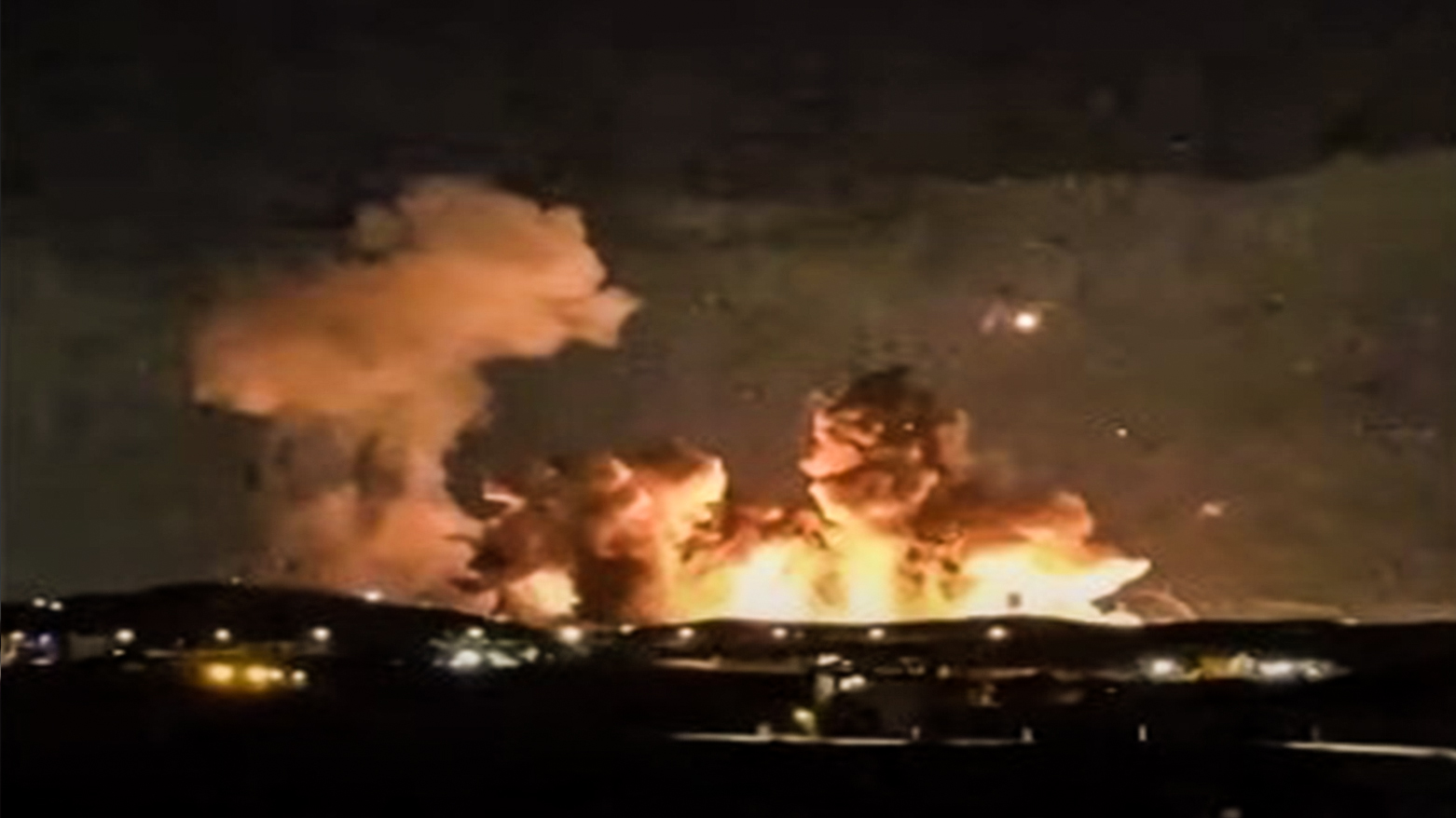
ERBIL (Kurdistan24) — Iranian authorities reported on Tuesday that airstrikes conducted by the United States and Israel targeted airspace near the city of Kashan in Iran. According to Akbar Salihi, Deputy Governor of Isfahan Province for Security Affairs, who spoke to state media, the strikes resulted in two fatalities and three injuries.
Salihi said the attacks involved military aircraft crossing into airspace over the outskirts of Kashan, causing significant damage to key roads and local infrastructure. Workers and residents in affected areas were evacuated as emergency teams assessed the damage.
Separately, Morteza Heydari, the Deputy Governor of Qom Province for Security Affairs, reported that additional airstrikes targeted the main roads connecting the cities of Zanjan and Tabriz, critical arteries for regional transport.
Local authorities temporarily closed the affected roads to ensure civilian safety and facilitate rapid emergency response.
Authorities in Mashhad, including Mayor Mohammad Reza Qalandar, announced restrictions on air travel within the province in response to the Israeli warnings.
Officials emphasized public safety and the protection of civilians as security forces continued to evaluate the attacks.
The incidents mark a significant escalation in cross-border military activity, highlighting the vulnerability of Iran’s urban and transport infrastructure amid ongoing tensions with Israel and the United States.
Earlier in the day, the Israel Defense Forces (IDF) issued an “urgent warning” to Iranian civilians, advising them to avoid trains and railway lines for a 12-hour period. In a statement published in Farsi on its X account, the IDF cautioned that traveling by rail or being near railway infrastructure could endanger lives.
The advisory, which was disseminated despite widespread internet restrictions in Iran, is set to expire hours before Donald Trump’s 8 p.m. Eastern Time deadline. The U.S. president has warned that failure to meet the ultimatum would result in strikes on Iranian infrastructure, including bridges and energy facilities.
In a related development on Tuesday, Iranian authorities urged citizens, particularly young people, students, athletes, and academics, to take an active role in protecting critical infrastructure, including power plants, as tensions rise.
Officials emphasize the potential personal risks involved but stress the importance of these efforts for national security.
Alireza Rahimi, secretary of the Supreme Council of Youth and Adolescents, reinforced this message in a video statement, describing the power plants as “national assets” that belong to both the present and future generations of Iran, highlighting the civic responsibility of citizens in safeguarding the country’s essential resources.
Iran has a history of mobilizing civilians to protect strategic infrastructure during periods of heightened regional tension. In November 2011, thousands of Iranian students formed human chains around nuclear facilities, including the Isfahan uranium conversion plant, in response to perceived threats of Western strikes.