Qatar Warns War Is Nearing an Uncontrollable Point as US-Israeli Strikes Hit Iran Nonstop
Middle East on the Brink: Trump says, “a whole civilization will die tonight, never to be brought back again.”
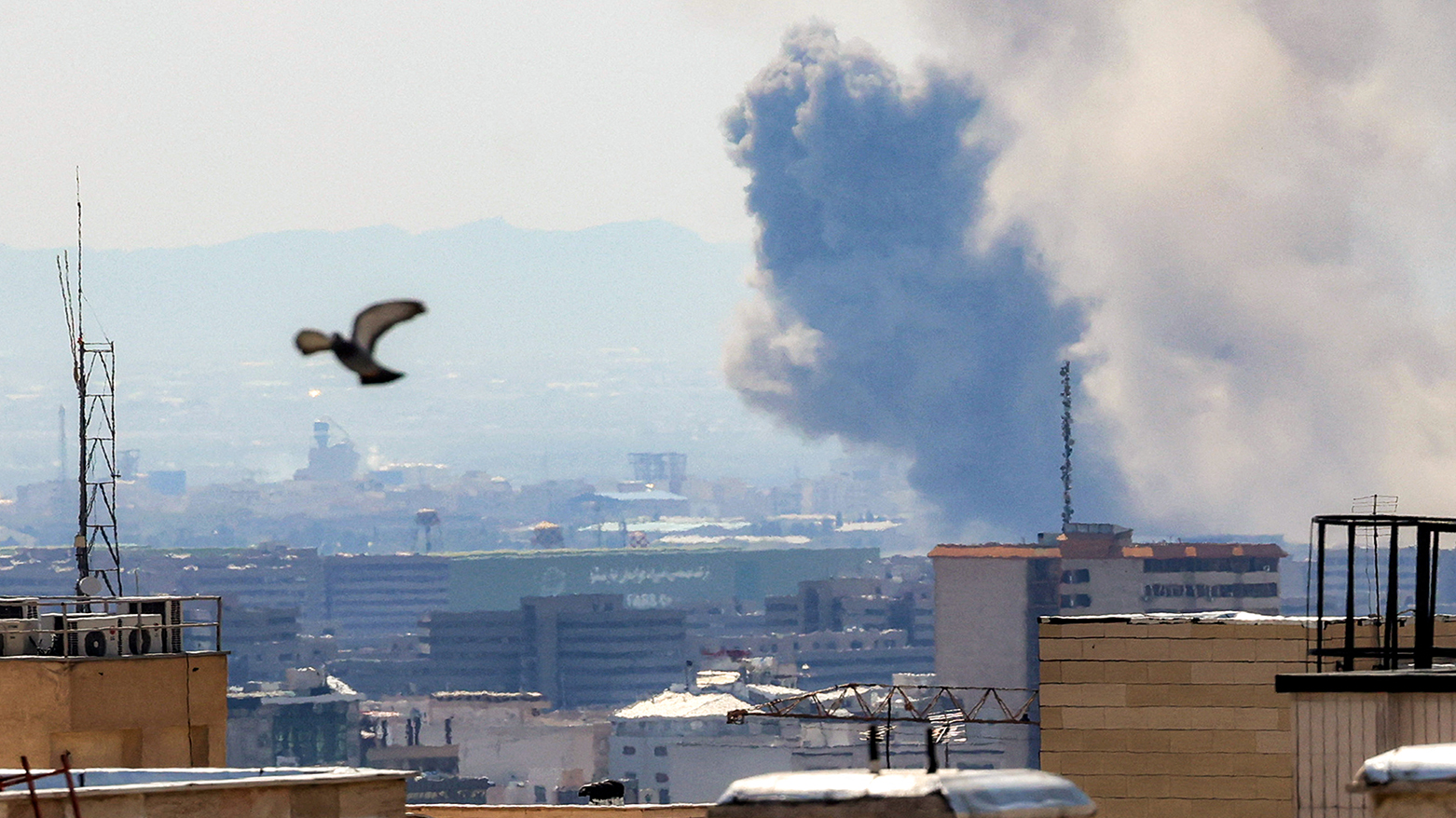
ERBIL (Kurdistan24) — Qatar warned Tuesday that the conflict is nearing a threshold beyond control, raising mounting concerns over regional food, water, and environmental security.
“We have been warning since 2023 that escalation left unchecked will get us into a situation where it cannot be controlled, and we are very close to that point,” said Majed al-Ansari, spokesman for Qatar’s foreign ministry.
Shortly before the warning, US President Donald Trump issued one of his most dramatic statements yet, declaring that “a whole civilization will die tonight, never to be brought back again” if Tehran does not reach a deal to end hostilities and reopen the Strait of Hormuz.
Trump’s renewed threat followed a wave of joint US‑Israeli strikes on key Iranian infrastructure, including the strategic oil export hub of Kharg Island, which Tehran says has been hit by multiple explosions, though US officials maintain targets were military and not oil facilities.
Following Trump's renewed threat, the Iranian Revolutionary Guard Corps (IRGC) issued a stern warning to neighboring countries on Tuesday, signaling an end to what it described as a period of “self-restraint” and threatening infrastructure and interests linked to the United States and its regional allies.
“Our self-restraint has come to an end,” the IRGC said in a statement. “America’s partners in the region must know that until today, we have restrained ourselves for the sake of good neighborliness… However, we are now lifting the immunity provided by our previous tolerance. Our focus will be solely on the targets and on seeking revenge.”
Iran has responded defiantly, rejecting an international ceasefire proposal and vowing to continue offensive operations, while its Revolutionary Guards warn Washington and its allies of severe retaliation if “red lines” are crossed.
Strikes have also reportedly struck critical bridges, rail lines, and transport corridors in Iran, with at least two deaths reported and significant disruption to travel and logistics, including train cancellations in Mashhad.
The conflict has spread beyond Iran’s borders as well. Gulf nations face ongoing threats and attacks on energy infrastructure by Iran, which has effectively closed the Strait of Hormuz to shipping through drone and missile salvos in recent weeks, disrupting roughly one‑fifth of global oil flows.
In response to mounting violence, the United Nations Security Council is preparing to vote on a resolution addressing threats to the strait, though earlier drafts were weakened amid concerns over potential vetoes.
Efforts at diplomacy have so far faltered. A 45‑day ceasefire plan mediated by Pakistan, Egypt, and Turkey was rejected by both Tehran, which insists on a definitive end to hostilities, and Washington, which says the proposal is insufficient.
The widening conflict has triggered broader regional tensions, with reports of missile launches toward Israeli territory and disruptions to key infrastructure across the Middle East. Analysts warn that prolonged instability could have serious repercussions for the global economy, especially energy markets already volatile from blocked oil routes.