Oil Prices Surge, Global Stocks Fall Amid Uncertainty Over Middle East Ceasefire
Market sentiment remained cautious after an initial rally on Wednesday, when U.S. President Donald Trump announced a two-week halt in the war with Iran.
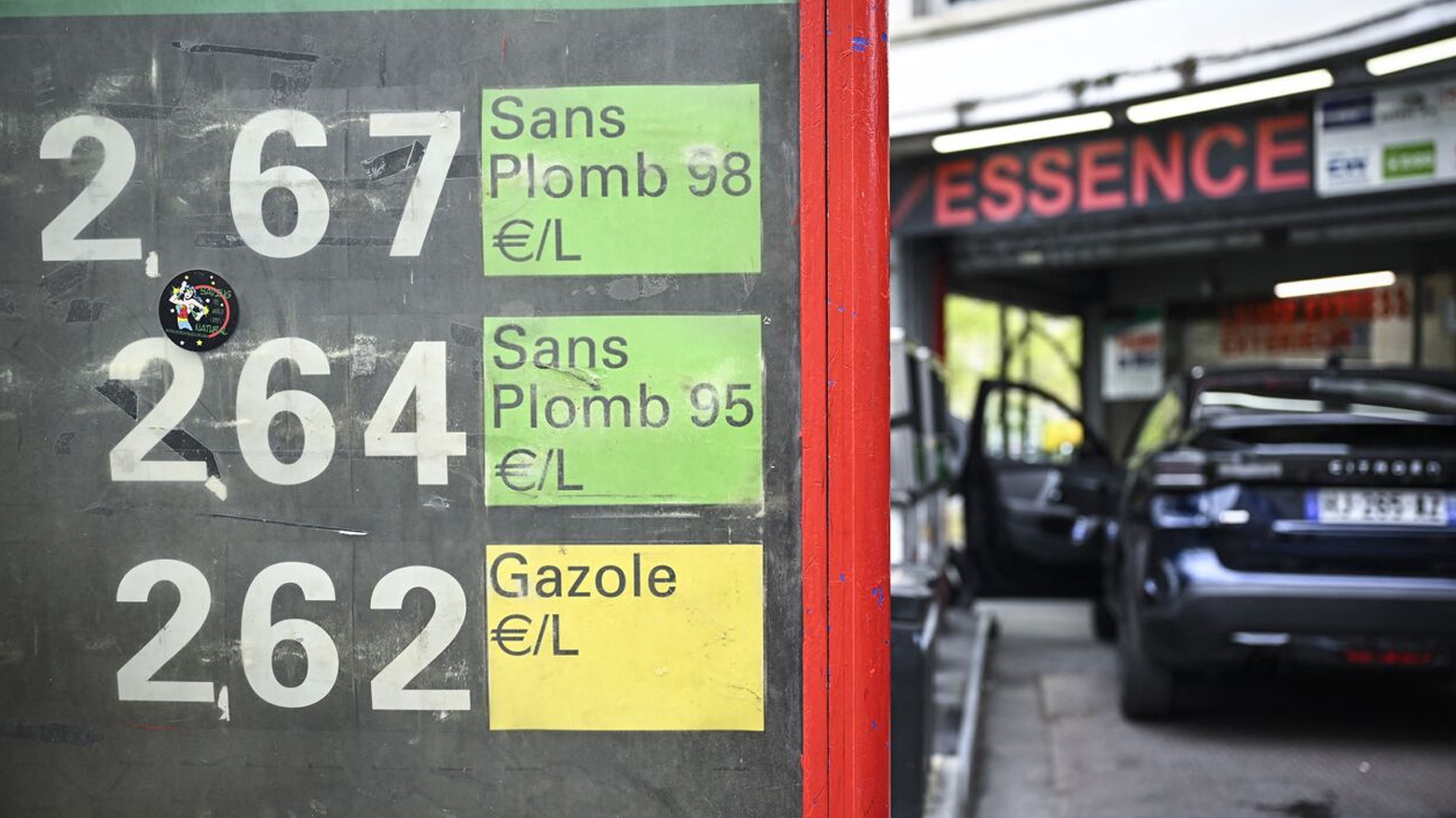
ERBIL (Kurdistan24) – Oil prices jumped on Thursday while major stock markets across the globe declined, as investors assessed the fragility of a Middle East ceasefire and the potential reopening of the vital Strait of Hormuz.
Market sentiment remained cautious after an initial rally on Wednesday, when U.S. President Donald Trump announced a two-week halt in the war with Iran. Tehran also signaled it would reopen the Strait of Hormuz, a key route responsible for transporting around one-fifth of the world’s oil and gas supplies.
However, doubts over the ceasefire’s durability quickly resurfaced. Ongoing Israeli strikes targeting Iran-backed Hezbollah in Lebanon and Tehran’s warning that it may impose tolls on vessels passing through the strait have heightened concerns among traders.
As a result, the main U.S. oil benchmark, West Texas Intermediate, surged more than five percent, approaching $100 per barrel. Analysts warned that prices are likely to remain volatile amid continued geopolitical uncertainty.
“Oil prices will likely remain elevated and choppy until a more permanent agreement is struck between all parties,” said Aarin Chiekrie, an equity analyst at Hargreaves Lansdown.
Anthony Kettle of RBC BlueBay Asset Management cautioned that even if the ceasefire holds, energy exports from the region may take time to normalize, potentially impacting global growth and inflation. He also noted that key infrastructure in major energy-exporting countries has suffered significant damage.
Global equity markets reacted negatively to the uncertainty. Wall Street opened lower, following declines across European and Asian markets, as investors turned their attention to the upcoming first-quarter earnings season.
While geopolitical developments are expected to influence short-term market movements, analysts emphasized that corporate earnings will ultimately determine longer-term stock performance. Early reports from companies have already begun to reflect the economic impact of the conflict, which began on February 28.