Iranian Deputy FM: Strait of Hormuz Remains Open Amid New Restrictions and Transit Rules
Khatibzadeh added that even American vessels are permitted to pass through the strait, provided they do not engage in any hostile actions. He stressed that Iranian security agencies guarantee the “safety and security of passage” through the route.
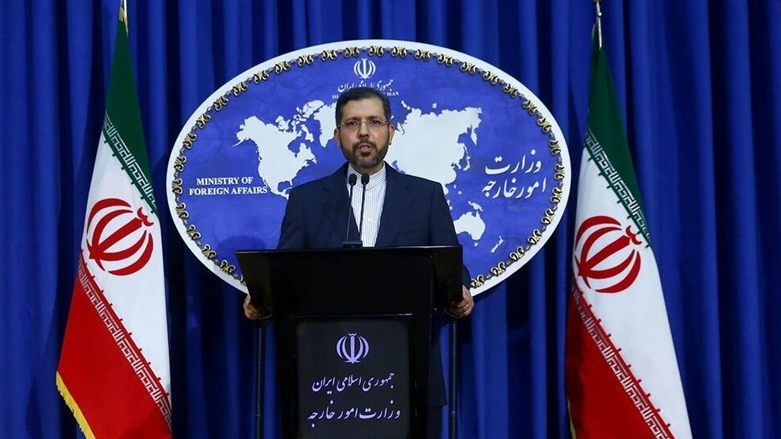
ERBIL (Kurdistan24) – Iranian Deputy Foreign Minister Saeed Khatibzadeh said on Friday that the Strait of Hormuz remains open, but emphasized that vessels must coordinate with Iranian forces before transiting the strategic waterway due to what he described as “certain restrictions.”
Khatibzadeh added that even American vessels are permitted to pass through the strait, provided they do not engage in any hostile actions. He stressed that Iranian security agencies guarantee the “safety and security of passage” through the route.
The developments come as tensions remain high around the maritime corridor of the Strait of Hormuz, one of the world’s most critical energy shipping lanes.
Meanwhile, Islamic Revolutionary Guard Corps (IRGC) Navy Command posted on X that recent tests conducted over the past two days demonstrated that “management of the Strait of Hormuz has entered a new phase”.
Earlier, Hamid Hosseini, a spokesperson for Iran's Oil, Gas and Petrochemical Products Exporters' Union, said that during the ceasefire period Tehran would impose a $1 fee per barrel of oil passing through the strait. He warned that vessels failing to obtain permission or pay the charge could be targeted.
Approximately 800 to 1,000 ships, including over 230 fully loaded oil tankers, are currently stranded in the Persian Gulf, unable to exit.
Oil prices surged during the peak of the conflict, exceeding $120 per barrel, and remain volatile. Experts warn that global energy markets will encounter a significant "physical reality" of supply shortages as current inventories dwindle.
Iran has primarily granted passage to ships from countries it considers "friendly," such as China, India, Russia, Pakistan, and Malaysia.