2026 Budget May Become Iraq’s Most Complex in Modern History, Adviser Warns
Former Iraqi PM Mohammed Shia al-Sudani’s financial adviser says the country’s 2026 budget is being shaped as a crisis-management plan focused on protecting salaries and essential spending
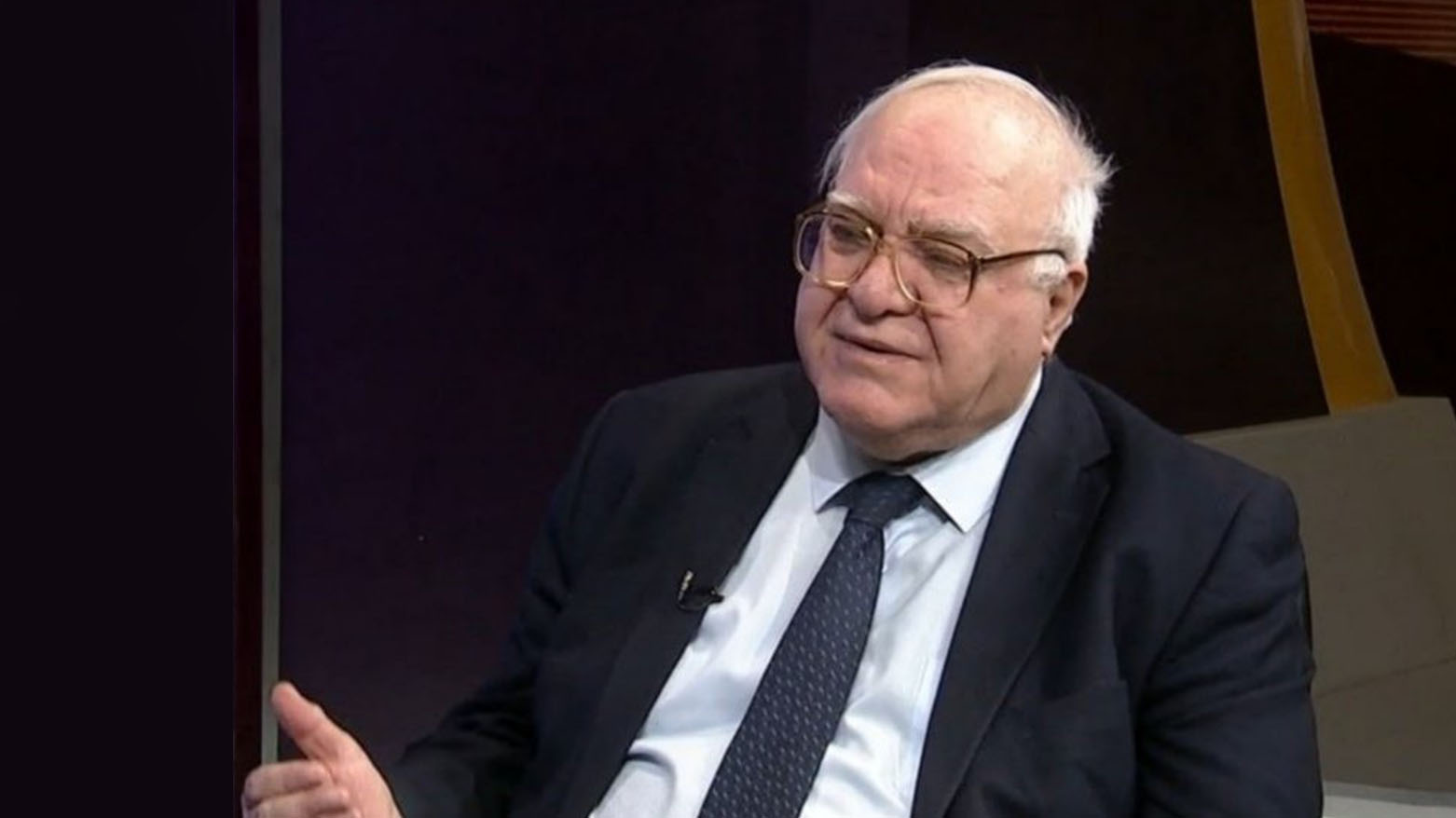
ERBIL (Kurdistan24) - As regional tensions cast a shadow over global energy markets and key oil shipping routes, Iraq is preparing what could become one of the most sensitive and complex budgets in its modern financial history.
Mazhar Mohammed Salih, financial adviser to Mohammed Shia al-Sudani, former Prime Minister of Iraq, said on Friday, that the proposed 2026 federal budget should be viewed as a “crisis-management budget,” with priority given to reducing unnecessary expenditures while safeguarding salaries, pensions, social welfare programs, operational spending, and citizens’ livelihoods.
Speaking to the Iraqi News Agency (INA), Salih said Iraq is facing a dual challenge amid what he described as an escalating crisis around the Strait of Hormuz, a vital artery for global oil transportation that has become a focal point of tension and uncertainty.
“Amid this growing crisis in the Strait of Hormuz, Iraq finds itself facing a two-sided challenge,” Salih said.
“On one side is the passage of the 2026 general budget law during a period of regional turmoil that threatens oil exports, and on the other is maintaining domestic financial stability.”
He explained that despite ongoing geopolitical confrontations in the Middle East and direct and indirect threats to maritime movement and energy flows through the Strait of Hormuz, constitutional and political conditions still allow for the drafting of the 2026 budget.
Salih cautioned, however, that the upcoming budget is likely to become “one of the most sensitive and complex budgets in Iraq’s modern financial history” because of the country’s deep economic connection to global oil markets.
According to the adviser, Iraq continues to rely heavily on oil revenues to finance salaries, pensions, social protection programs, operational expenditures, and investment projects.
As a result, he warned that any disruption to oil exports through the Gulf could create direct pressure on the country’s financial and monetary stability.
At the same time, Salih pointed to what he described as a potential positive aspect of geopolitical crises.
He noted that regional tensions often drive oil prices higher, which could provide Iraq with temporary financial breathing space, reduce the impact of potential shortfalls, and create an opportunity to pass the 2026 budget without an immediate fiscal deficit.
Such a scenario, he said, would depend on the government’s ability to manage oil revenues efficiently and identify alternative export solutions when necessary.
Salih stressed that the primary challenge is not the passage of the budget itself, but rather the state's ability to maintain sustainable financing under difficult regional conditions.
He emphasized that if the 2026 budget is approved under the current geopolitical climate, it would resemble a crisis-management budget more than a budget focused on economic expansion or long-term development.
Such circumstances, he added, require both the legislative and executive authorities to approach the budget with economic rationality and financial realism, while avoiding impulsive reactions and unplanned spending commitments.
The adviser concluded that preserving fiscal continuity and financial stability will remain the central test for Iraq as it navigates an increasingly uncertain regional environment.